Disclaimer: In exchange for a review, I received one Tokyo Wide Pass from JR East.
Tokyo’s a cool place, no doubt, but it’s also good to get away from the maddening crowds. Fortunately, JR East (Japan Railways East), one of seven companies that make up Japan Railways Group, has a neat rail pass called Tokyo Wide Pass.
Who Can Buy the Pass?
Just like the the JR East (Tohoku Area) rail pass, this one can only be purchased by non-Japanese nationals.
Visitors can either buy this pass on Eki Net, or at select train stations.
Which Trains Can Be Used?
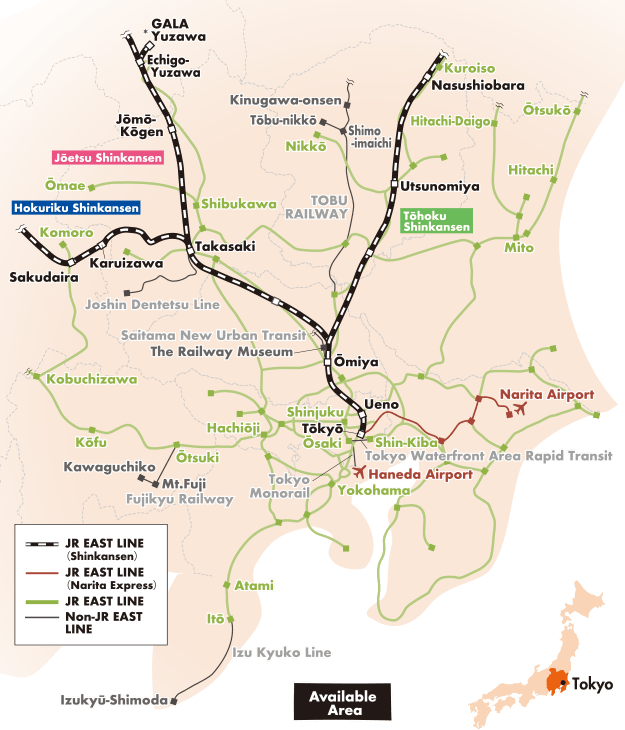
Given the peculiar exceptions involved with this pass, I have decided to almost directly quote the official JR East Tokyo Wide Pass page:
- JR EAST Lines
- Tokyo Monorail (for those heading to/from Tokyo Haneda Airport)
- Izu Kyuko Line
- Fujikyu Railway Lines (Mt. Fuji, anyone?)
- Joshin Dentetsu Line (Gunma prefecture)
- Saitama New Urban Transit (Ōmiya – the Railway Museum)
- Tokyo Waterfront Area Rapid Transit Line (aka Rinkai Line)
- Reserved seats in ordinary cars of the following express trains with through operations between JR EAST and Tobu Railway lines: Nikko, Kinugawa, and SPACIA Kinugawa trains.
- You can also use regular trains (including rapid trains) from Shimo-imaichi to Tobu-nikko and Kinugawa-onsen on the Tobu Railway line.
Between Kurihashi and Shimo-imaichi, you can only use limited express trains that run through to Tobu Railway. **
**The only limited express trains you can use with the JR TOKYO Wide Pass are through trains from JR lines to Tobu Railway lines. You cannot use limited express trains whose first and last stations are Tobu Railway stations.
plus
- In the winter and part of spring, you can not only use this pass to visit GALA Yuzawa ski area, but even get discounts for the resort gondolas.
and
As long as you’ve got the pass, you’ve got a number of stores in the region that offer discounts, under the Ekinaka, meaning “inside the train station,” scheme.
Cost and Validity
If you choose to get the JR Tokyo Wide Pass, I hope that you also have major wanderlust. It’s only valid for three consecutive days, you will want to hop on the shinkansen quite a bit … or ride the Narita Airport “express” train — called “N’EX” — many times.
Prices are ¥15,000 per person aged 12 and older, and ¥7,500 for each person 6-11 years old.
Where Can You Visit?
Obviously, there are many, many choices for places to visit. Unfortunately, over the three-day span I had my Tokyo Rail Pass, snow was big factor, as were random train delays. That’s why I’m using photos from prior regional trips to help give context.
Echigo-Yuzawa
Echigo-Yuzawa is a popular onsen (hot springs) and skiing bullet train stop in Niigata prefecture; the ride from Tokyo can be as quick as around one hour.
Popular, that is, in the winter. In the summer, it’s much quieter, yet still has some outdoor activities scattered around. That’s not to say the hot springs are inoperable; rather, they’re just much more limited in access.
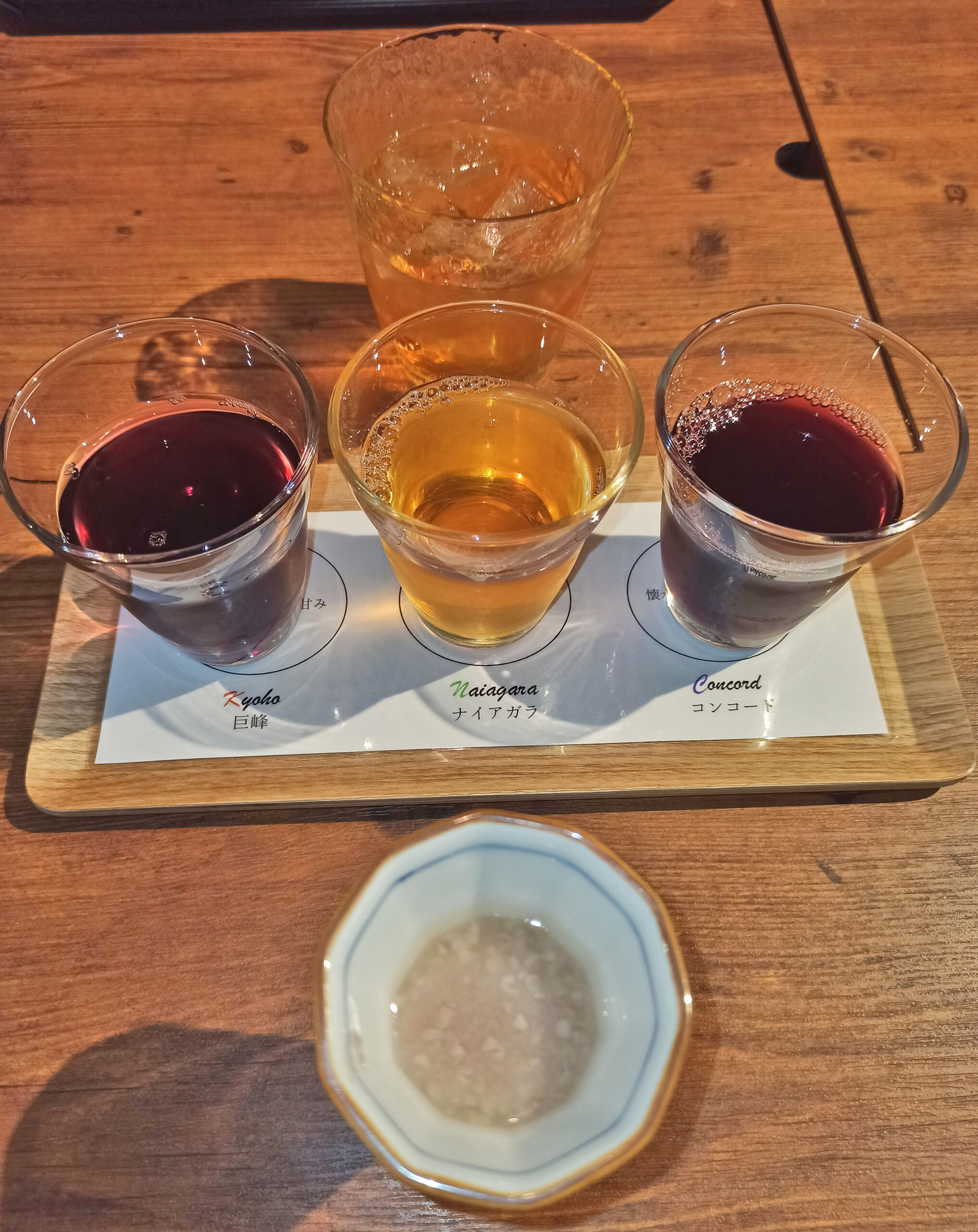
Basically, I visited the area to have another go at the train station’s Ponshukan, or sake (better known in Japan as nihonshu) buffet.
To test out the waters (sake?), pay 500 yen to enter, then grab a choko, the little ceramic cup.
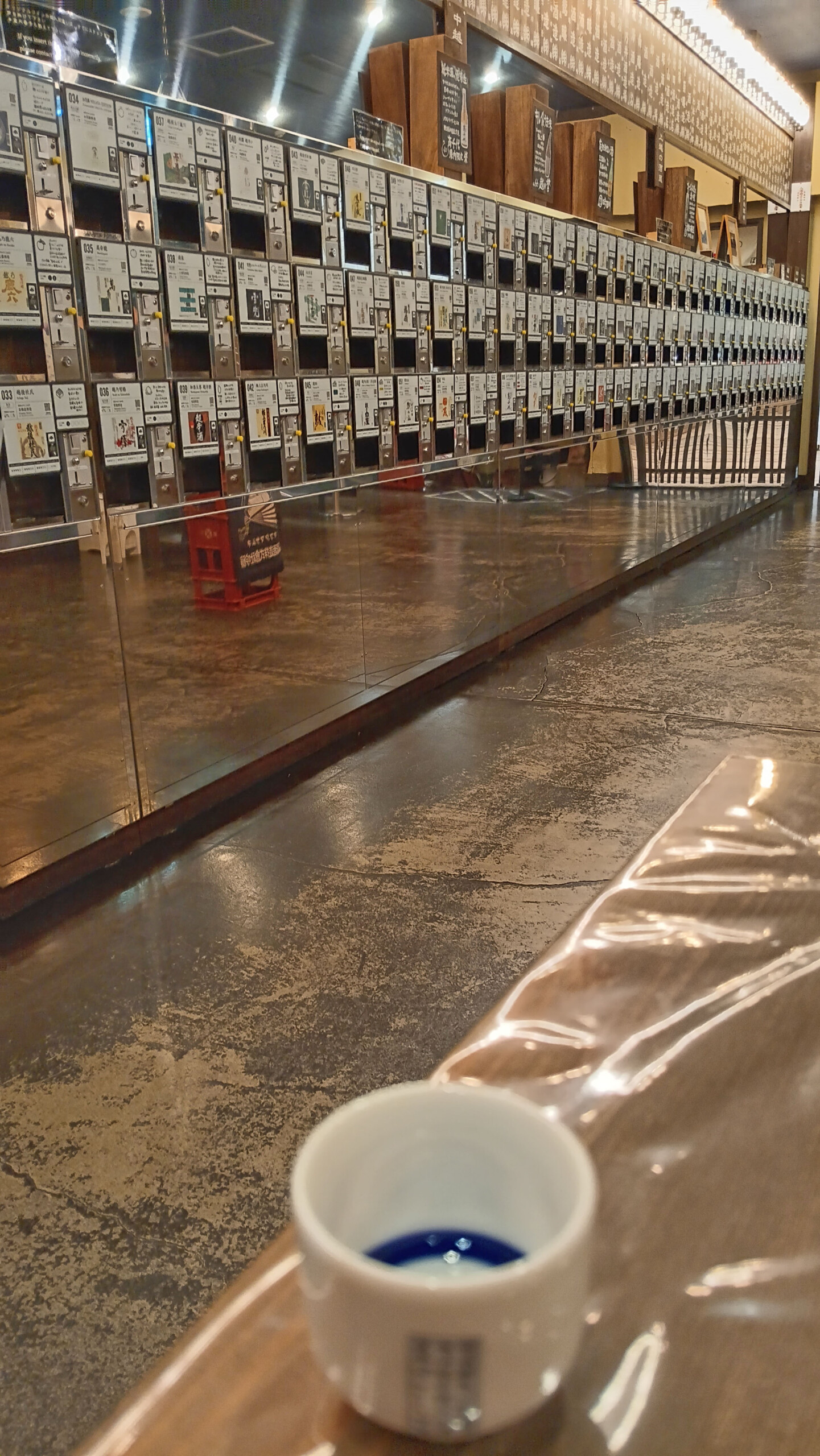
Then, search for whichever drinks lure you in; although Niigata is a big sake prefecture, there were also some umeshu (plum wine), and wines available. Yes, there is some English signage.
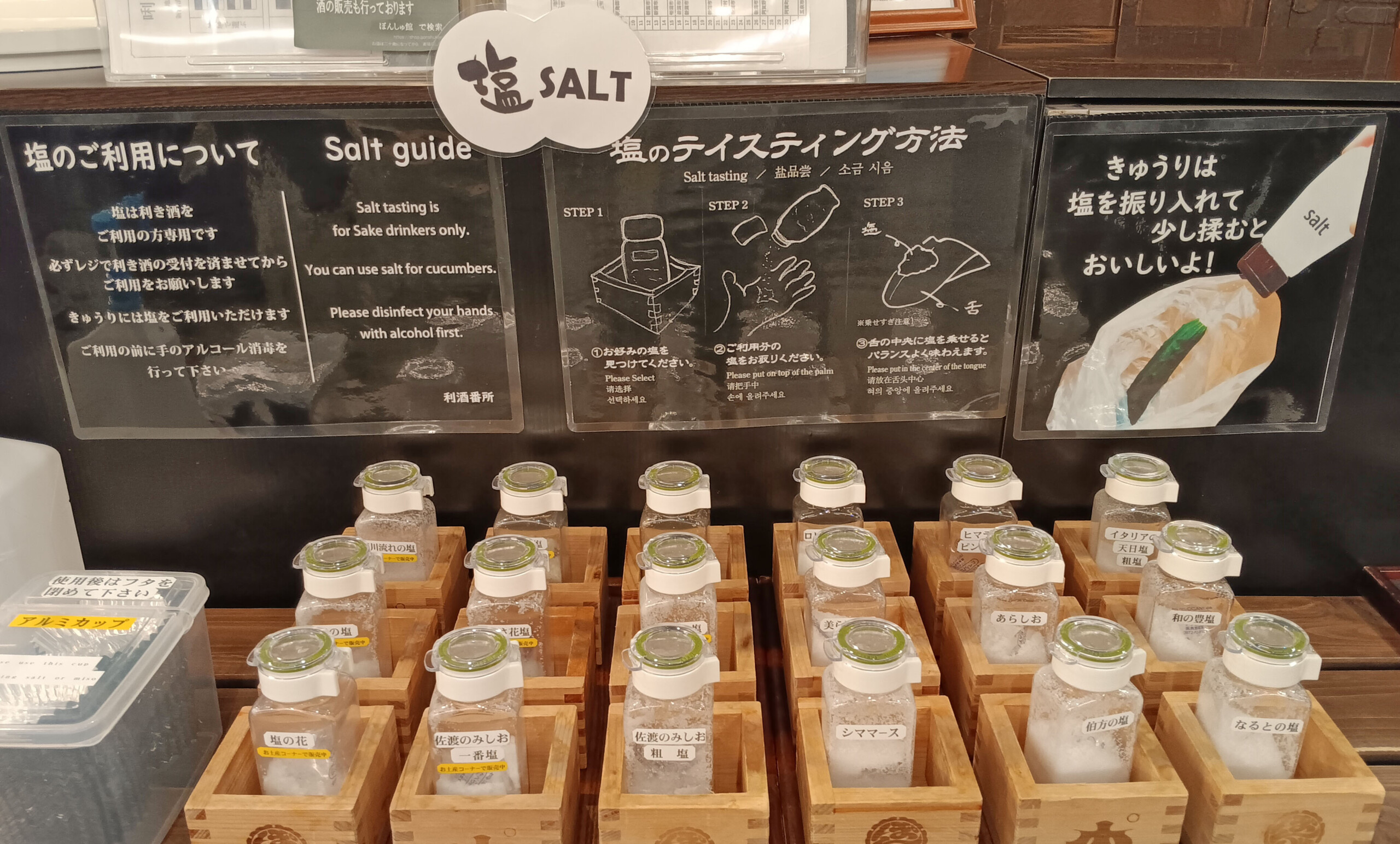
At this Ponshukan, I noticed a heap of salt shakers. Per the shop clerk, some salts help open up the flavor of sake. I was 50-50.
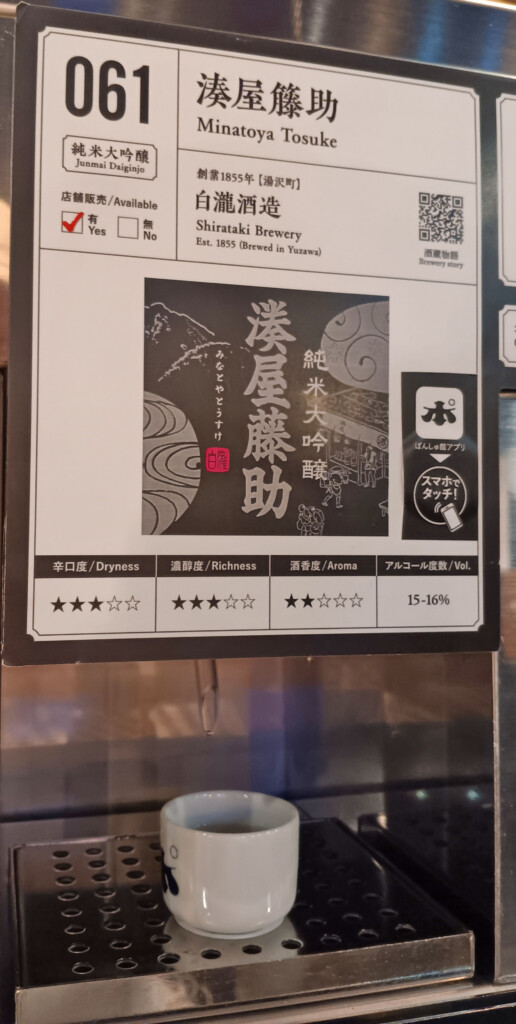
In any event, I went for these three choices:
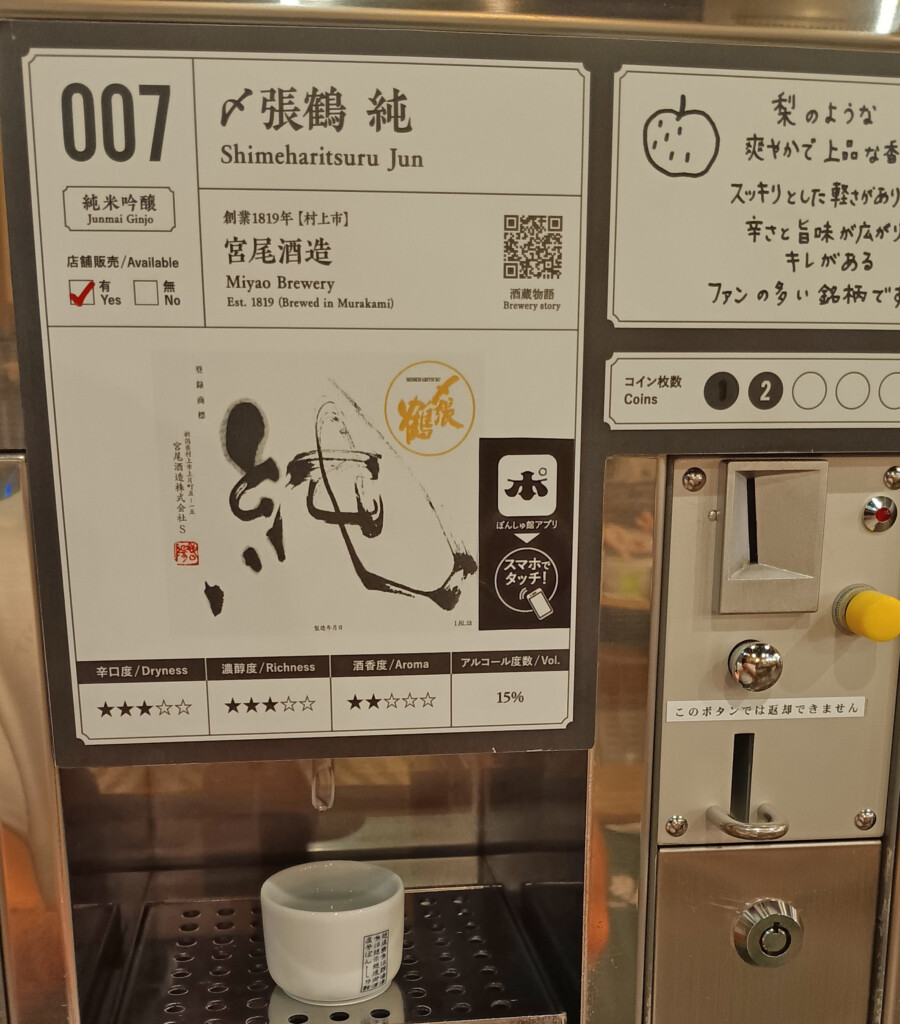
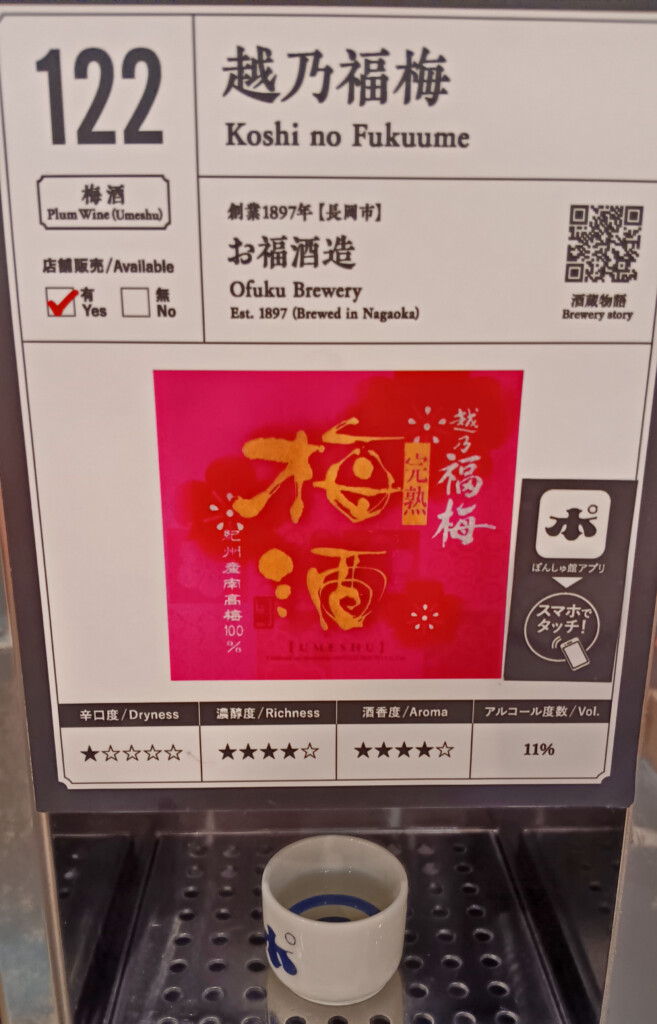
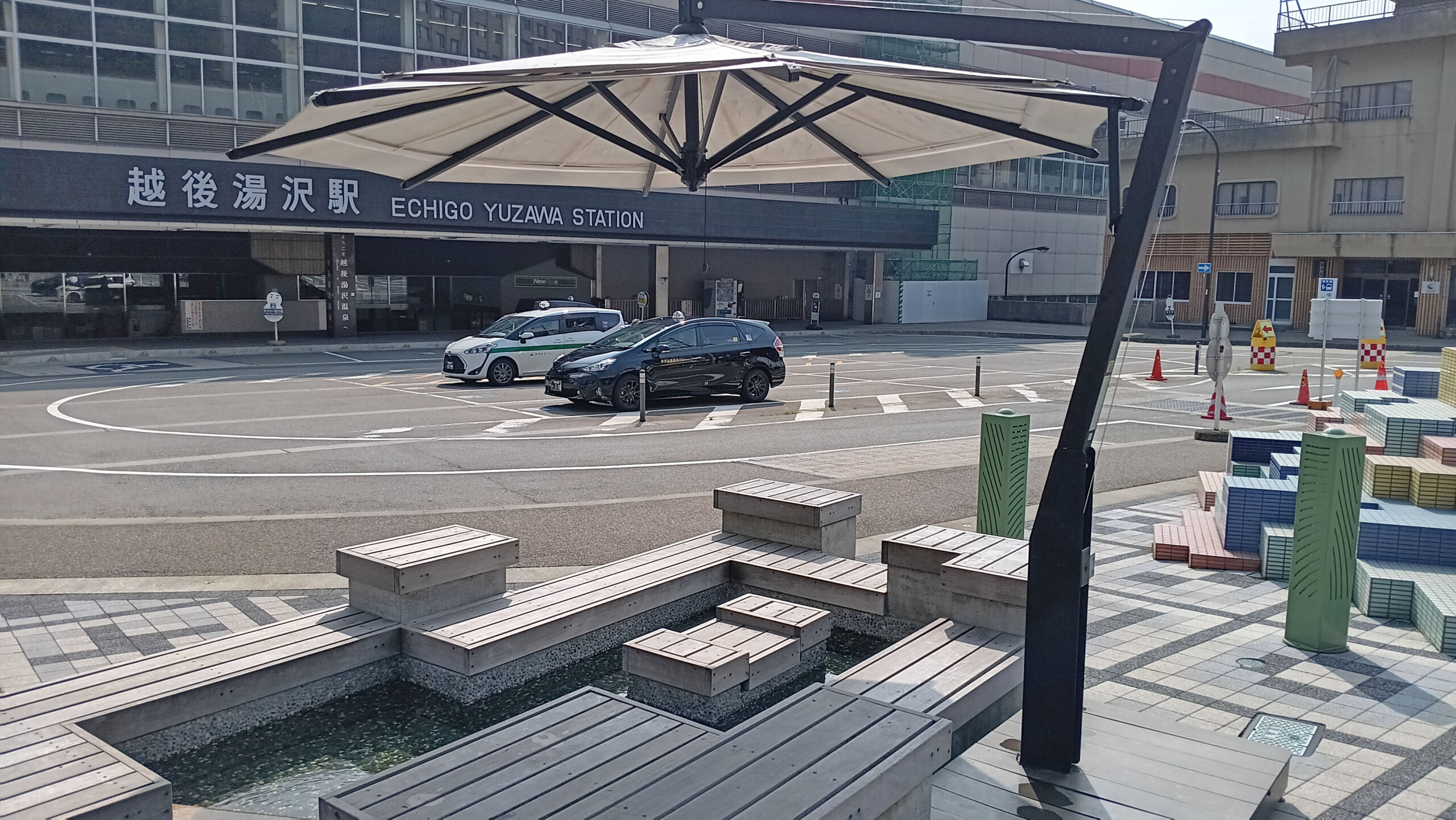
While waiting for the train back to Tokyo, I followed up the “tasting menu” with a footbath.
Takasaki
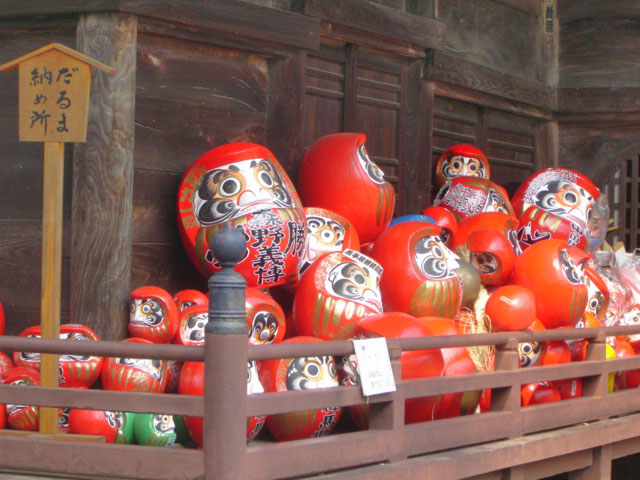
Takasaki, the largest city in Gunma prefecture, is the home of daruma (達磨).
Huh?
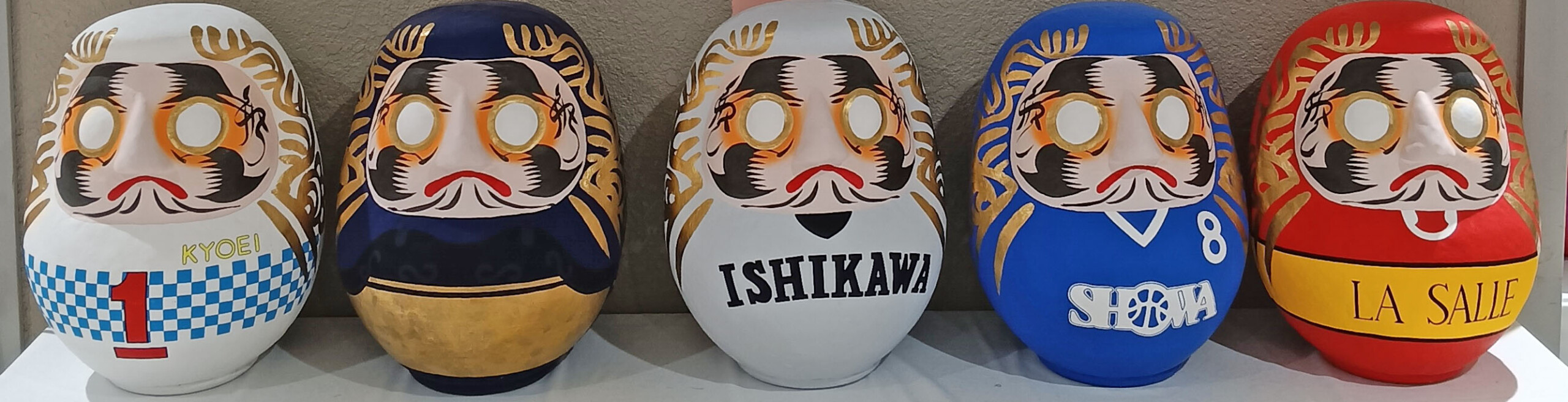
Modeled after the Buddhist monk Bodhidharma, who lived either in the 5th or 6th century CE, daruma are painted an auspicious red, and decorated with wide eyes and facial hair.
Basically, you paint one eye when you have a particular goal in mind, and paint in the other eye when you’ve accomplished the goal. This originates from a Japanese pun, wherein eye (眼) and prayer/hope (願) share the pronunciation of gan.
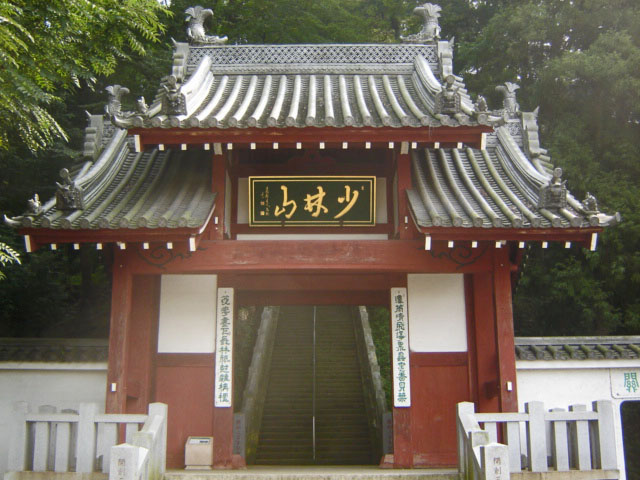
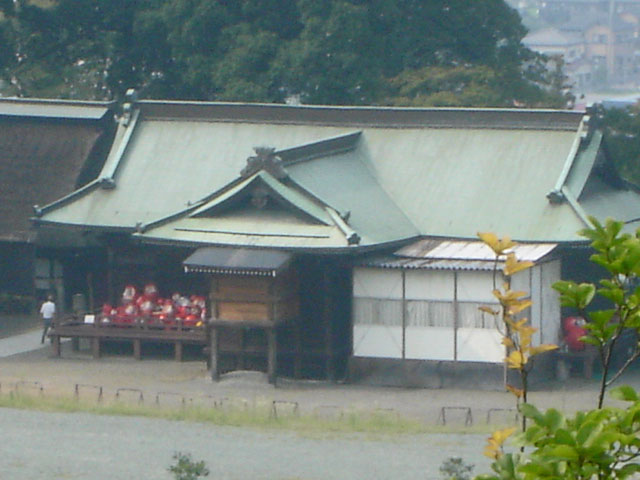
The center of darumadom is Takasaki’s Shorinzan (少林山) temple, built in 1697:
Karuizawa
Karuizawa, in Nagano prefecture, is an easy weekend escape into the country for many Tokyoites. I went for a day-trip, having no idea what to expect.
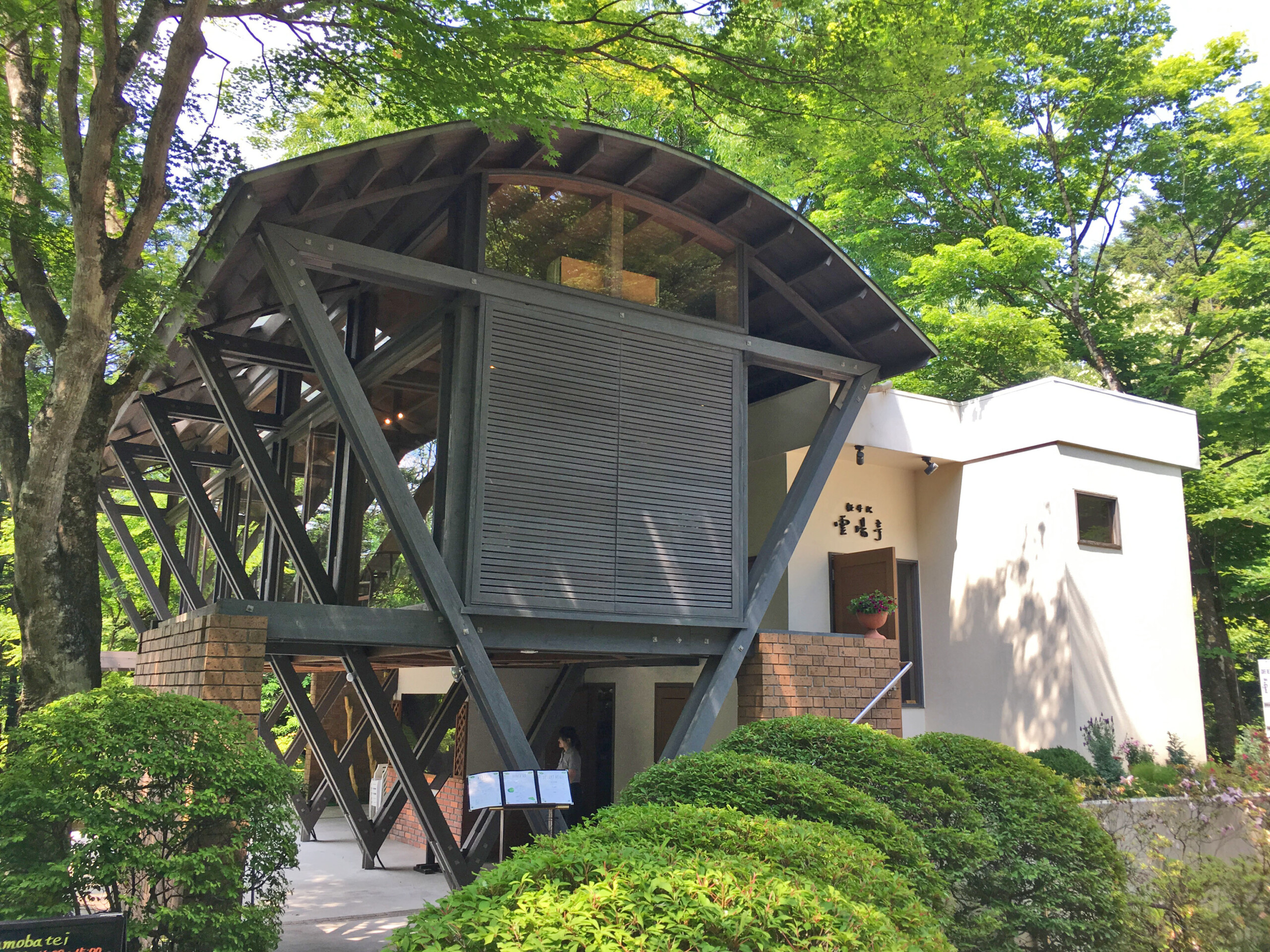
It’s a small albeit busy town with a number of unusually designed houses and commercial spaces. I can easily recommend it for some 森林浴 (shinrinyoku), or forest bathing. In other words, getting out into the forest and breathing it all in.
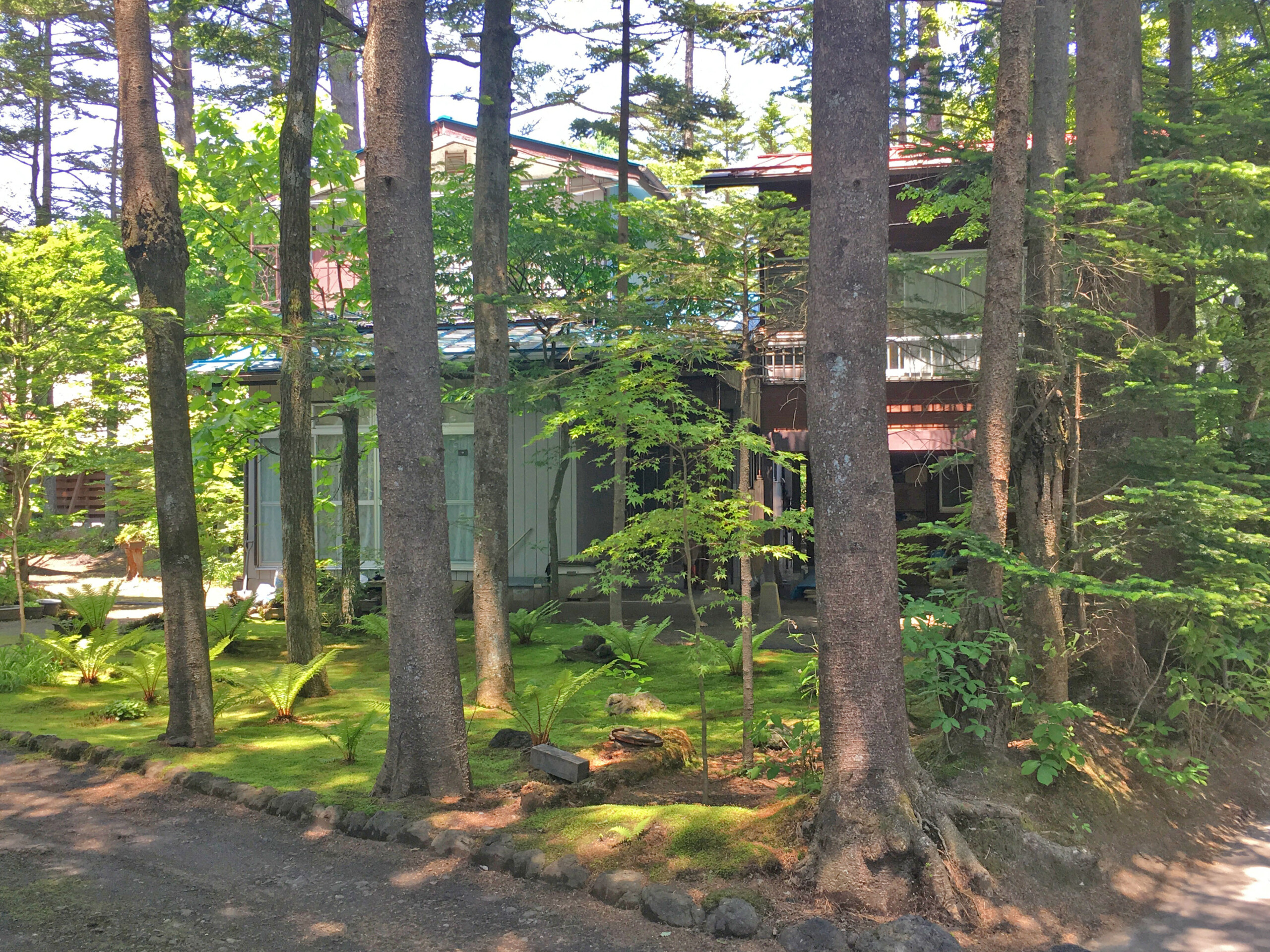
To wit, the best part is that Karuizawa is surrounded by nature (I took these photos in mid-2018, hence the summery look):
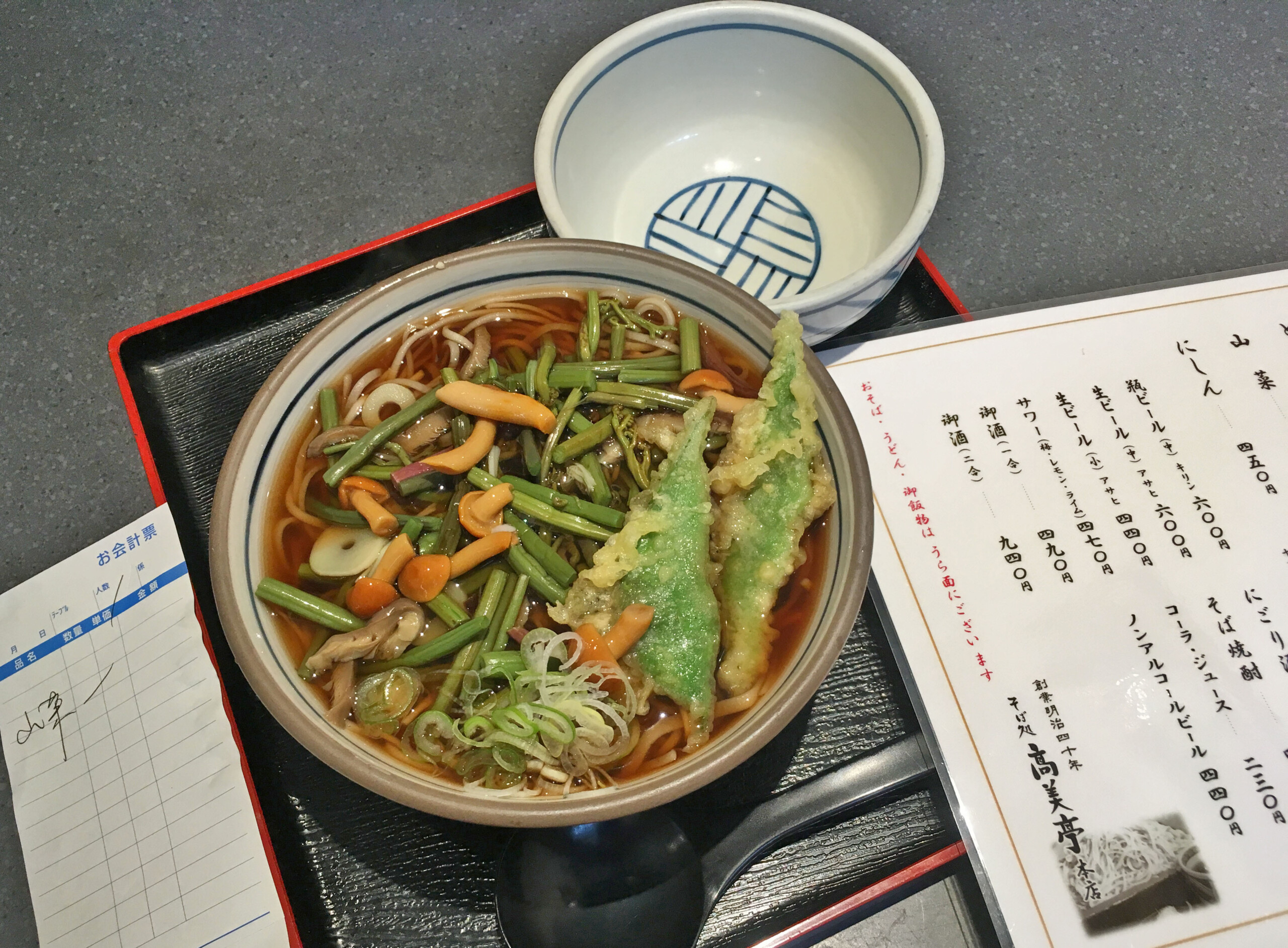
But let’s also not forget about Nagano cuisine. Good soba, apples, grapes, wasabi, and rainbow trout. Clean, simple cooking.
Nokogiriyama
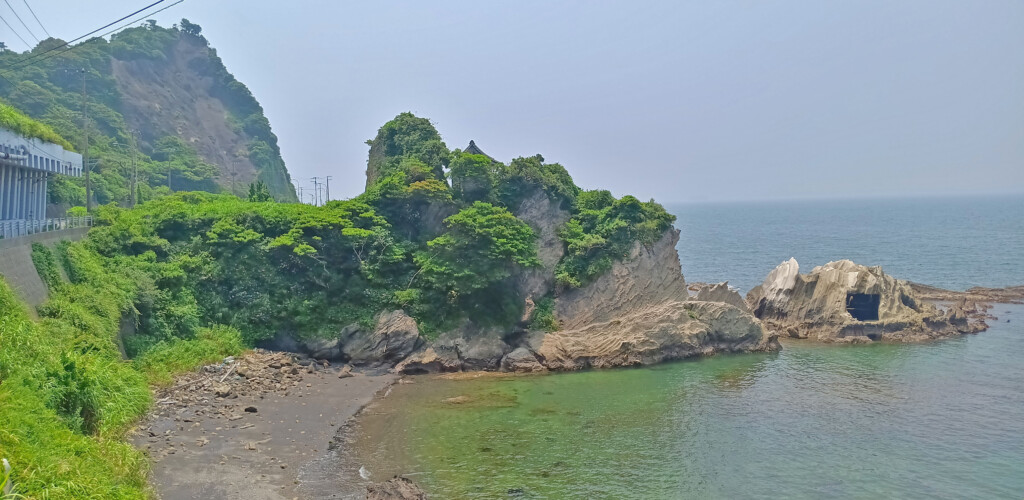
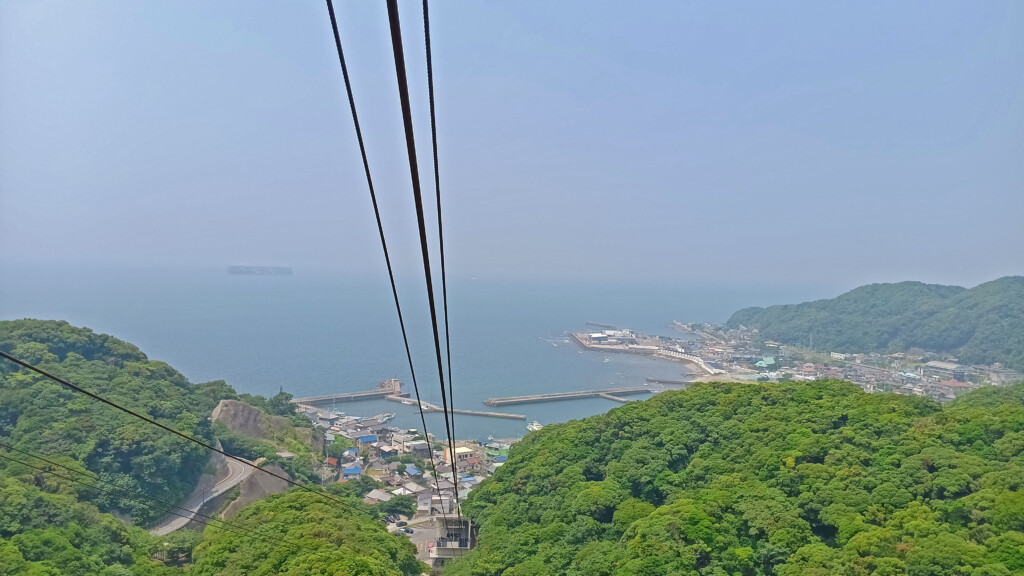
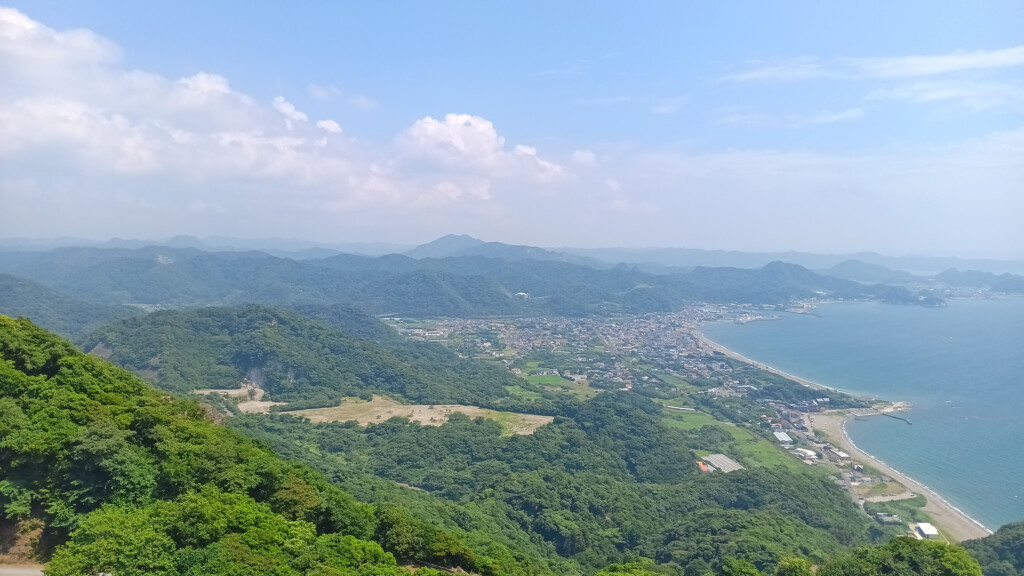
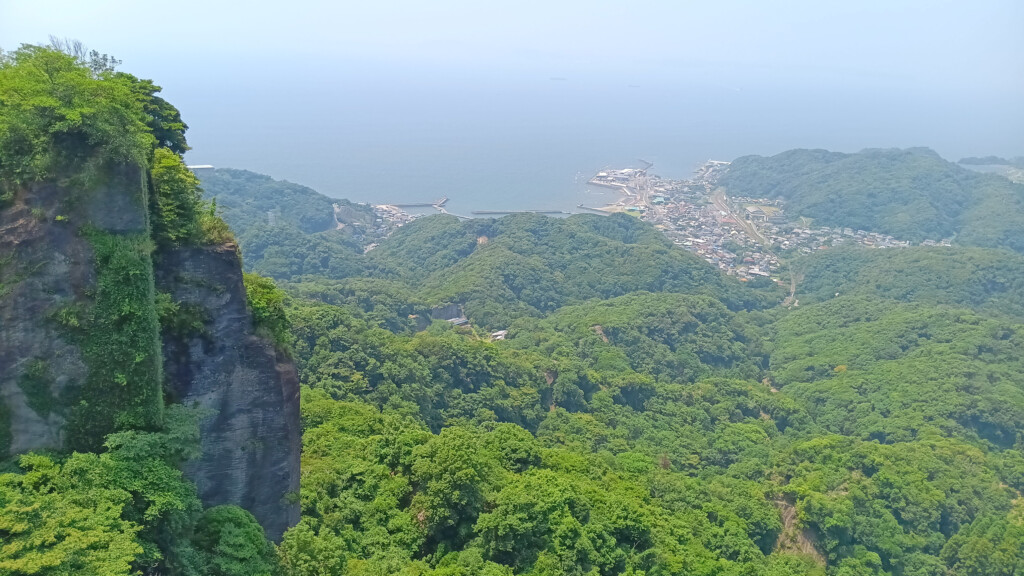
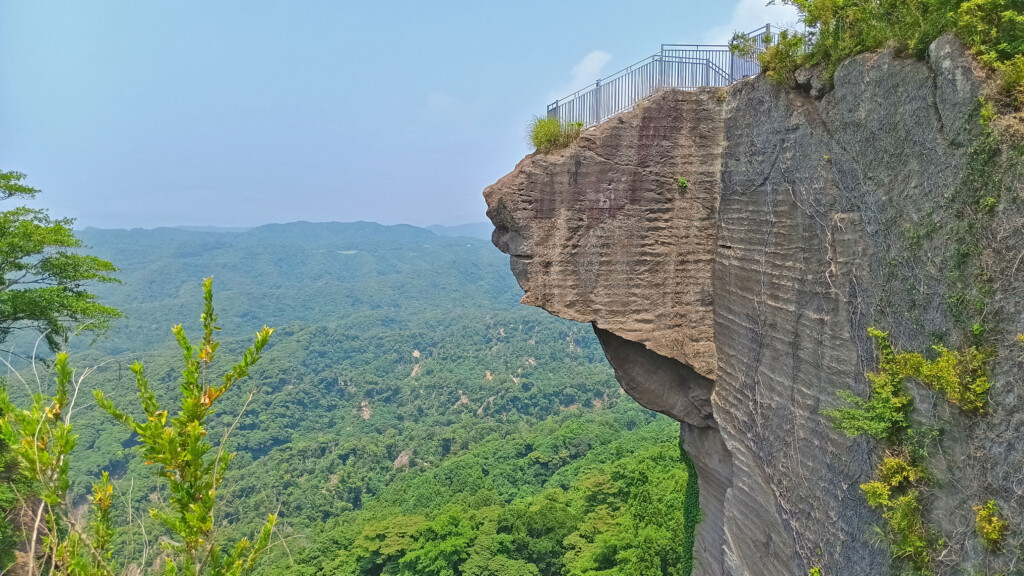
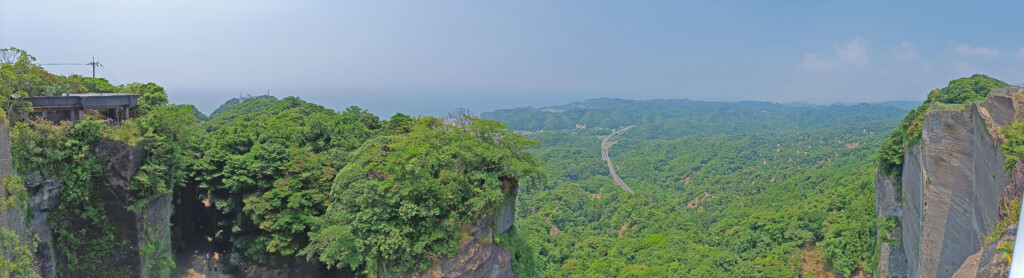
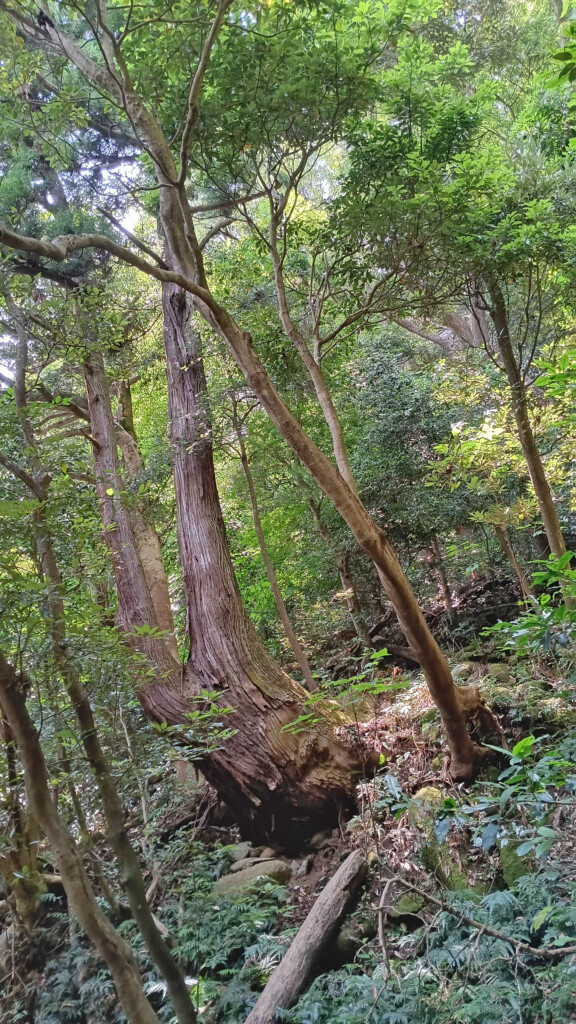
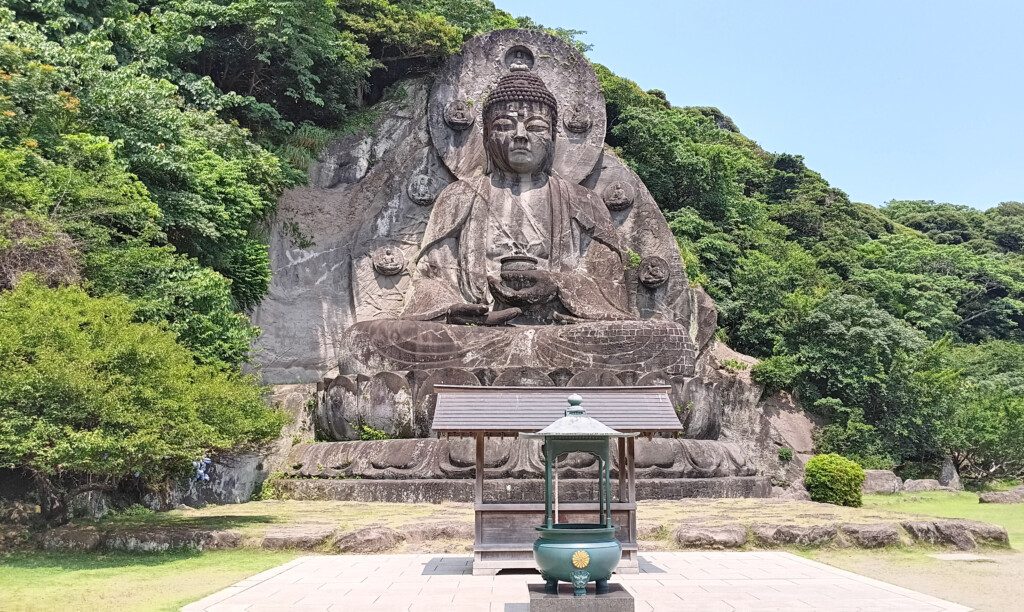
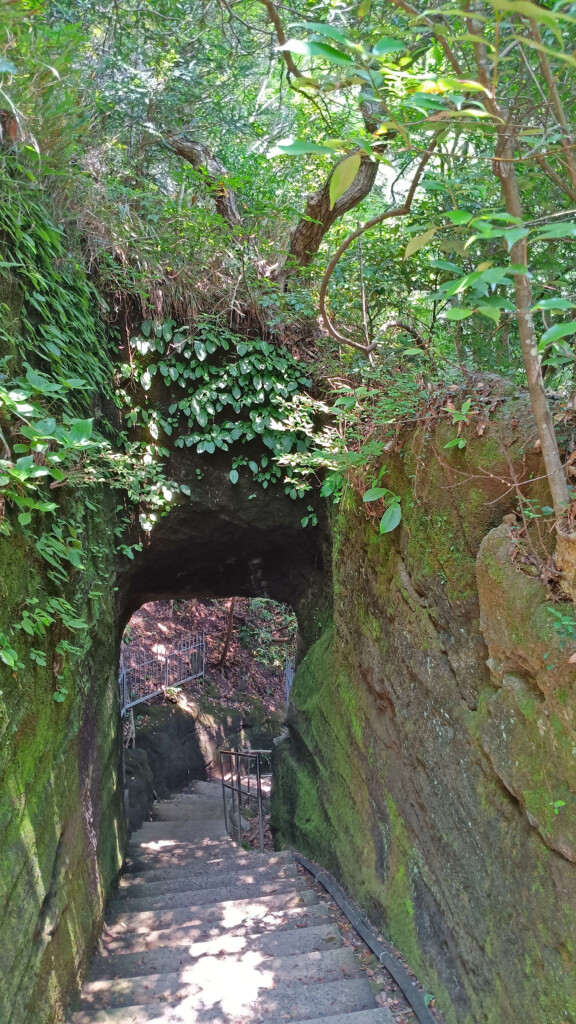
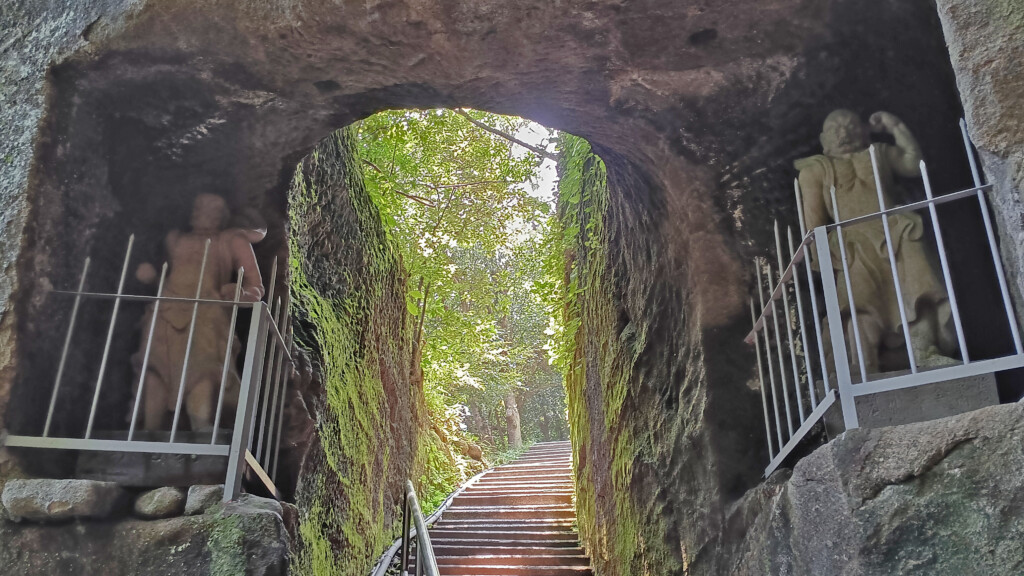
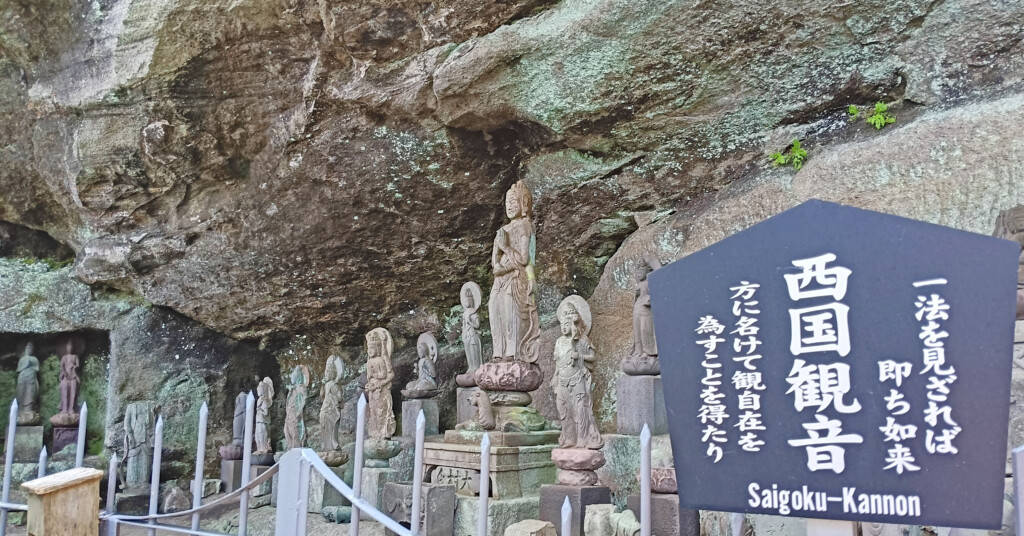
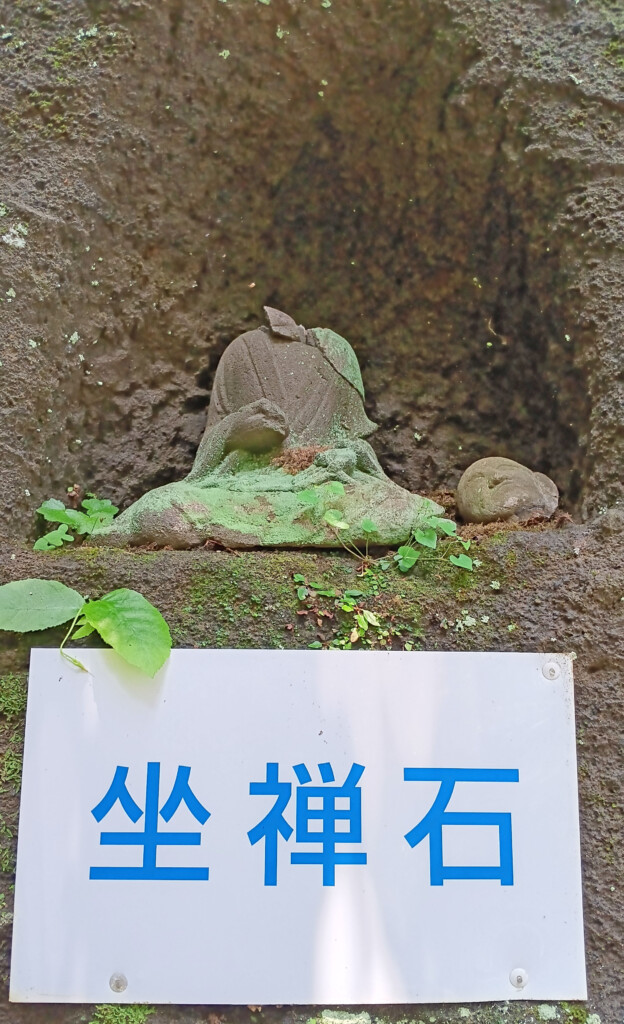
At the southern entrance of Tokyo Bay, in the much more rural part of Chiba prefecture lies Nokogiriyama, or Mt. Nokogiri (referring to its shape looking like a “saw”). It’s only around 1080 feet high (~330 meters), but the real treat is the Buddhist history that dwells within.
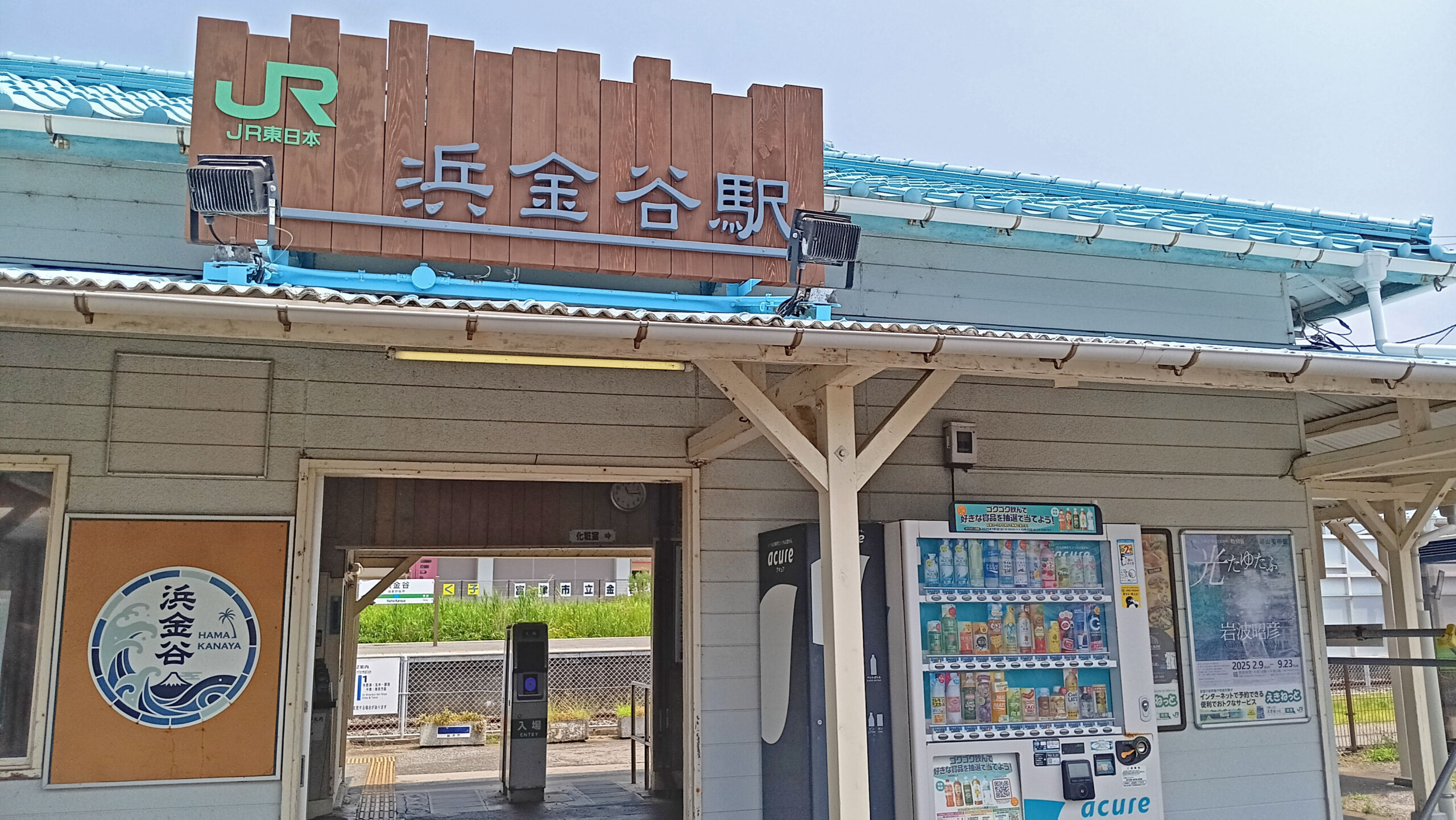
First, take the JR Uchibou line from Chiba station to Kisarazu or Kimitsu station (the usual termini), then transfer to the more southerly Uchibou line to Hamakanaya station:
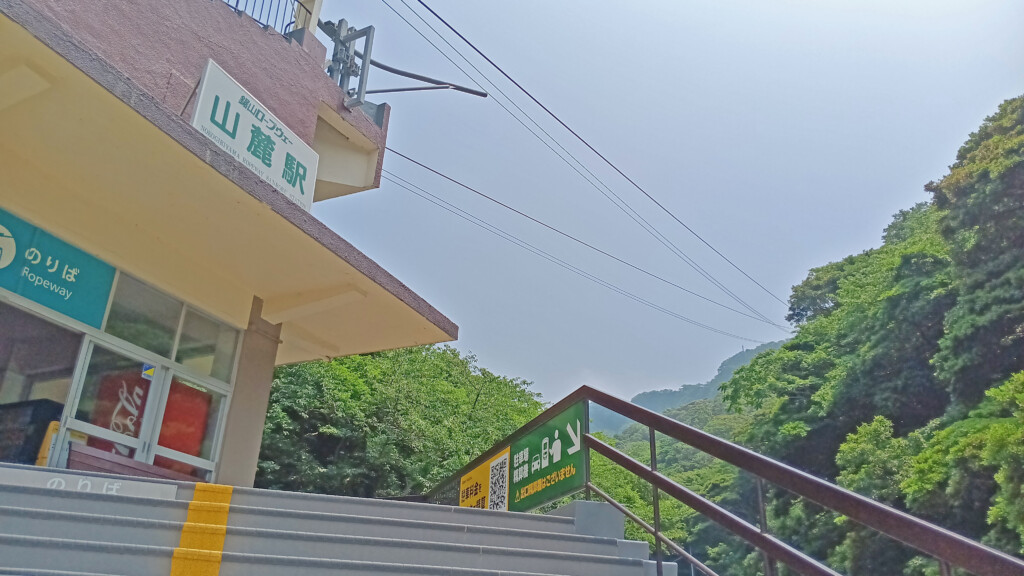
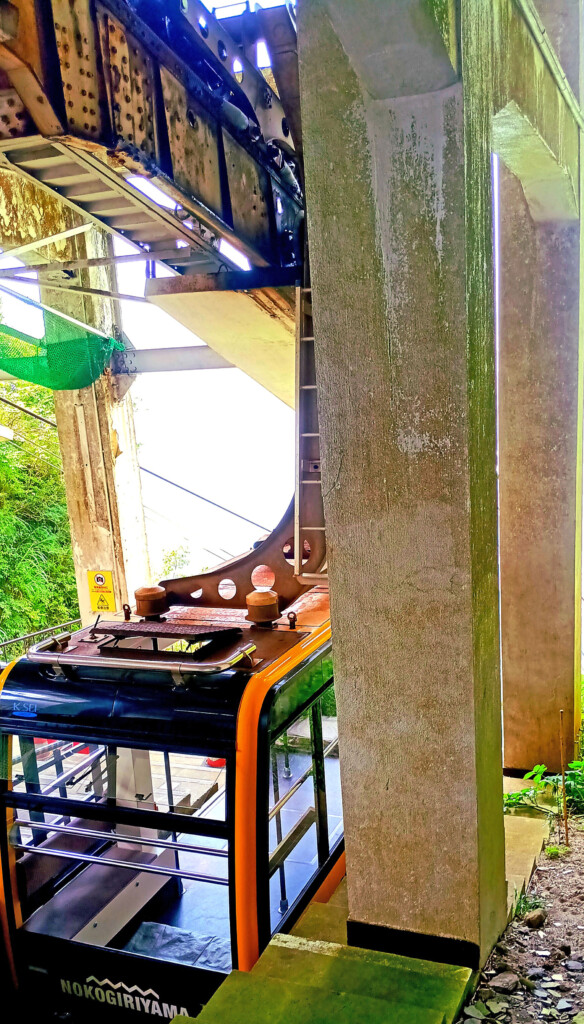
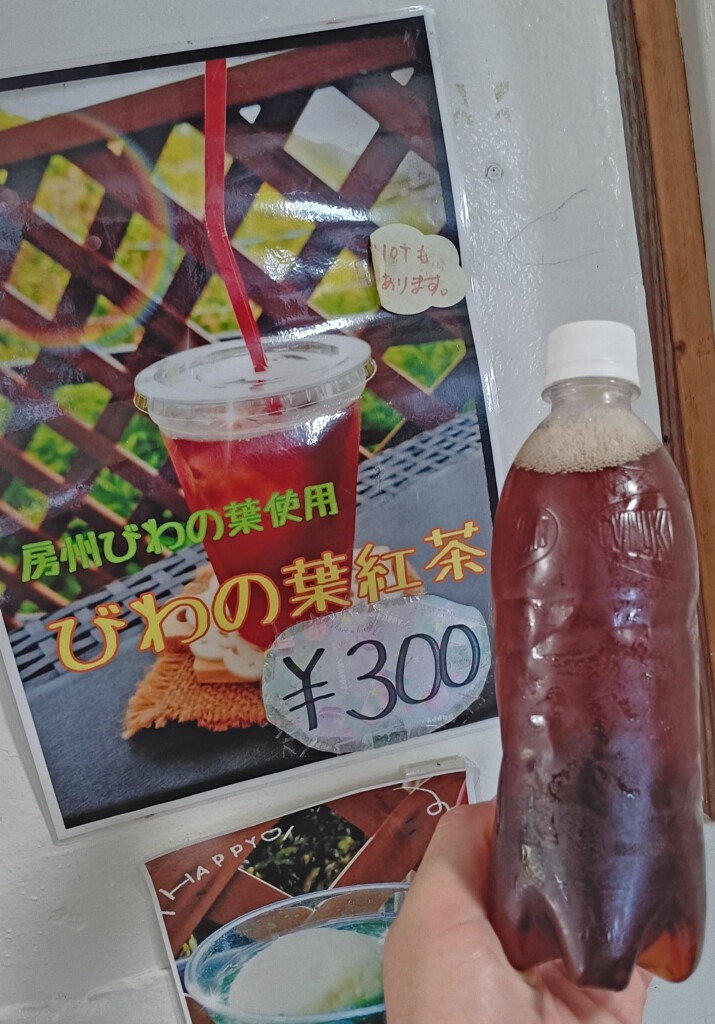
An under 15 minute walk from there takes you to the Nokogiriyama Ropeway (cable car) station, although hikers can take rocky trails up, too. The latter would have been my usual route, but it was 1) the summer, and 2) I had a bulky backpack.
Ushiku
In many ways, Ushiku, in Ibaraki prefecture, is the outlier on this list. However, as a ravenous foodie, it can lay claim to one major landmark in modern Japan.
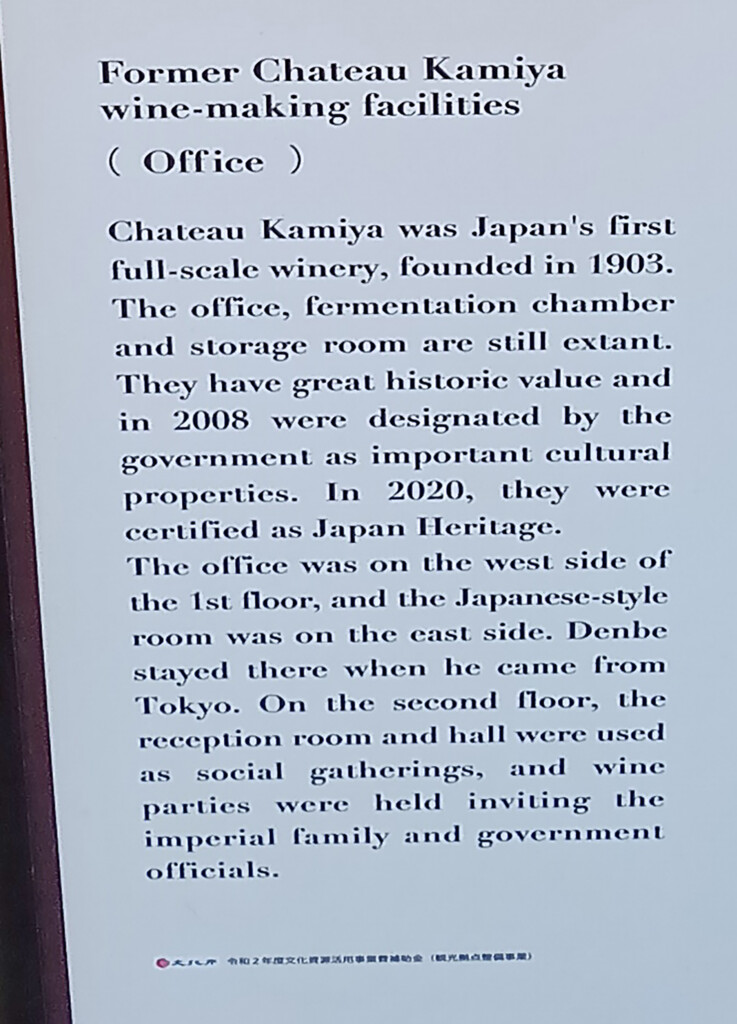
In 1903, Chateau Kamiya became the country’s first full-scale winery.
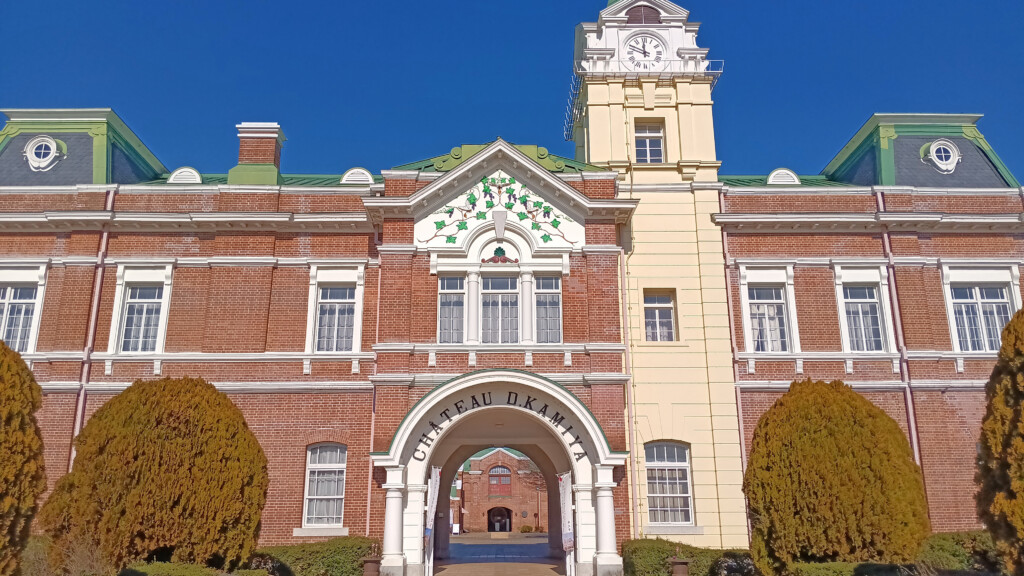
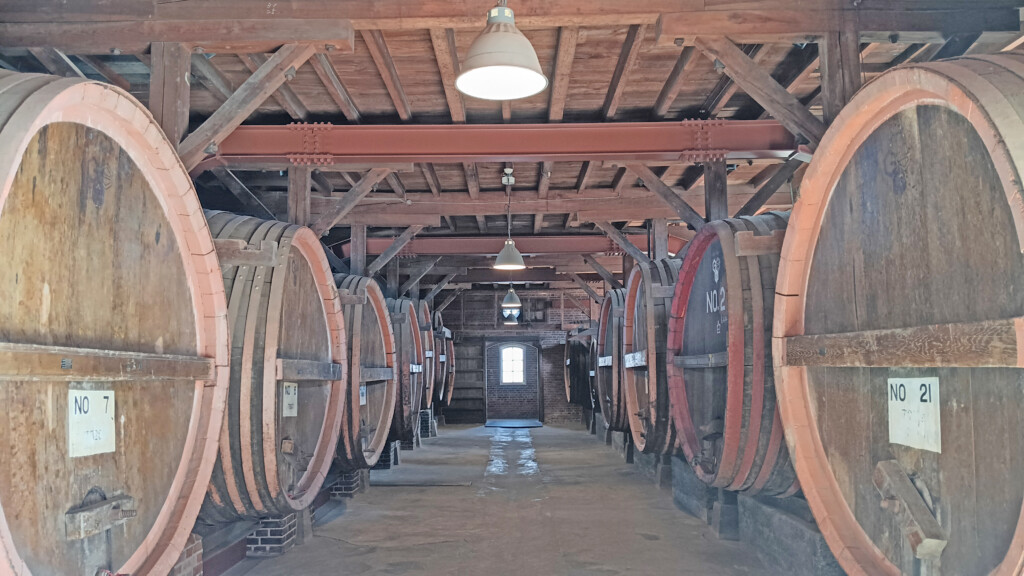
Nowadays, the site is home to Ushiku Brewery, which opened in 1996 as a craft beer specialist. My enthusiasm instantly deflated.
Oh, and apparently there’s a giant Buddha statue in another part of town.
Train + Car Rental
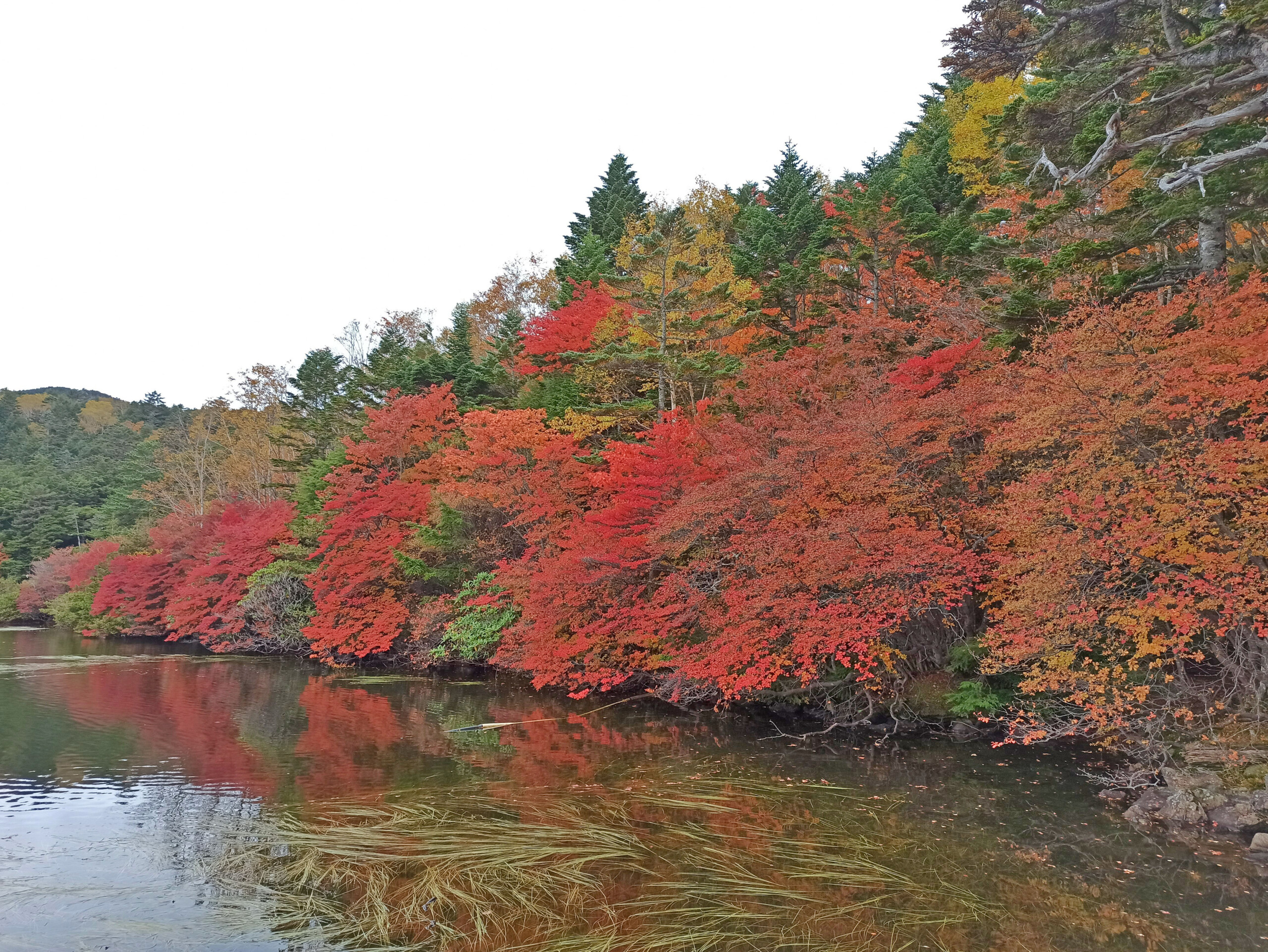
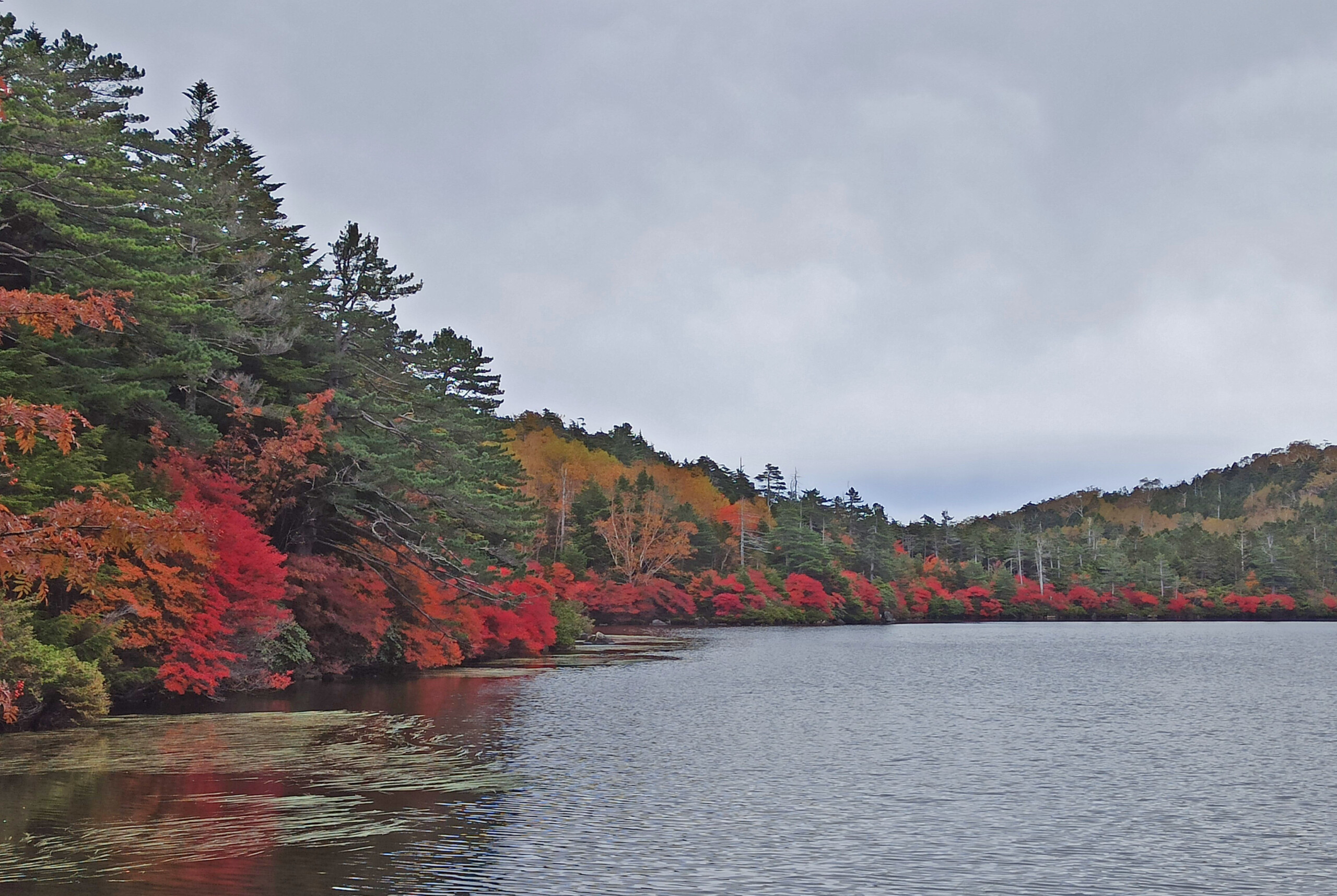
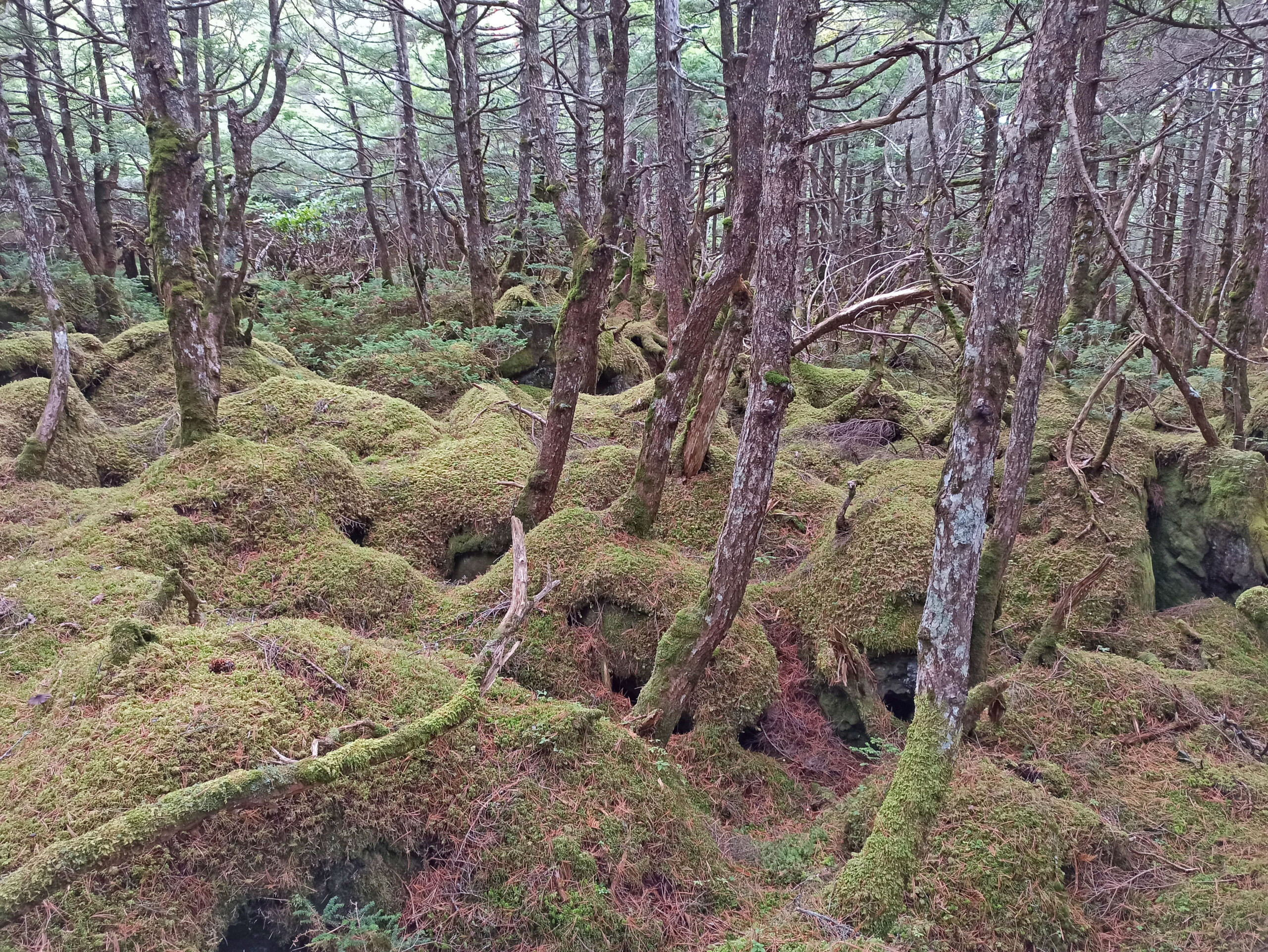
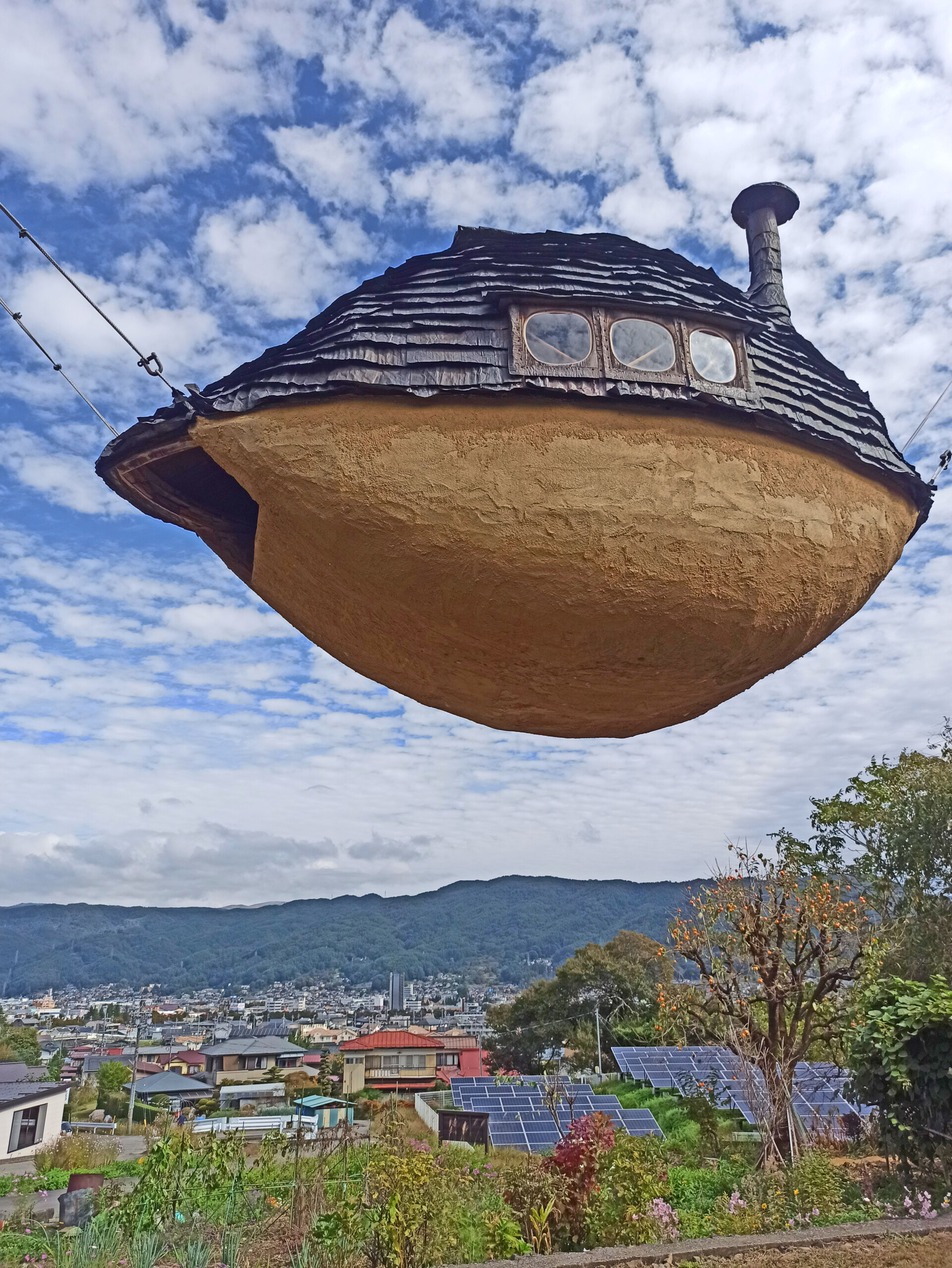
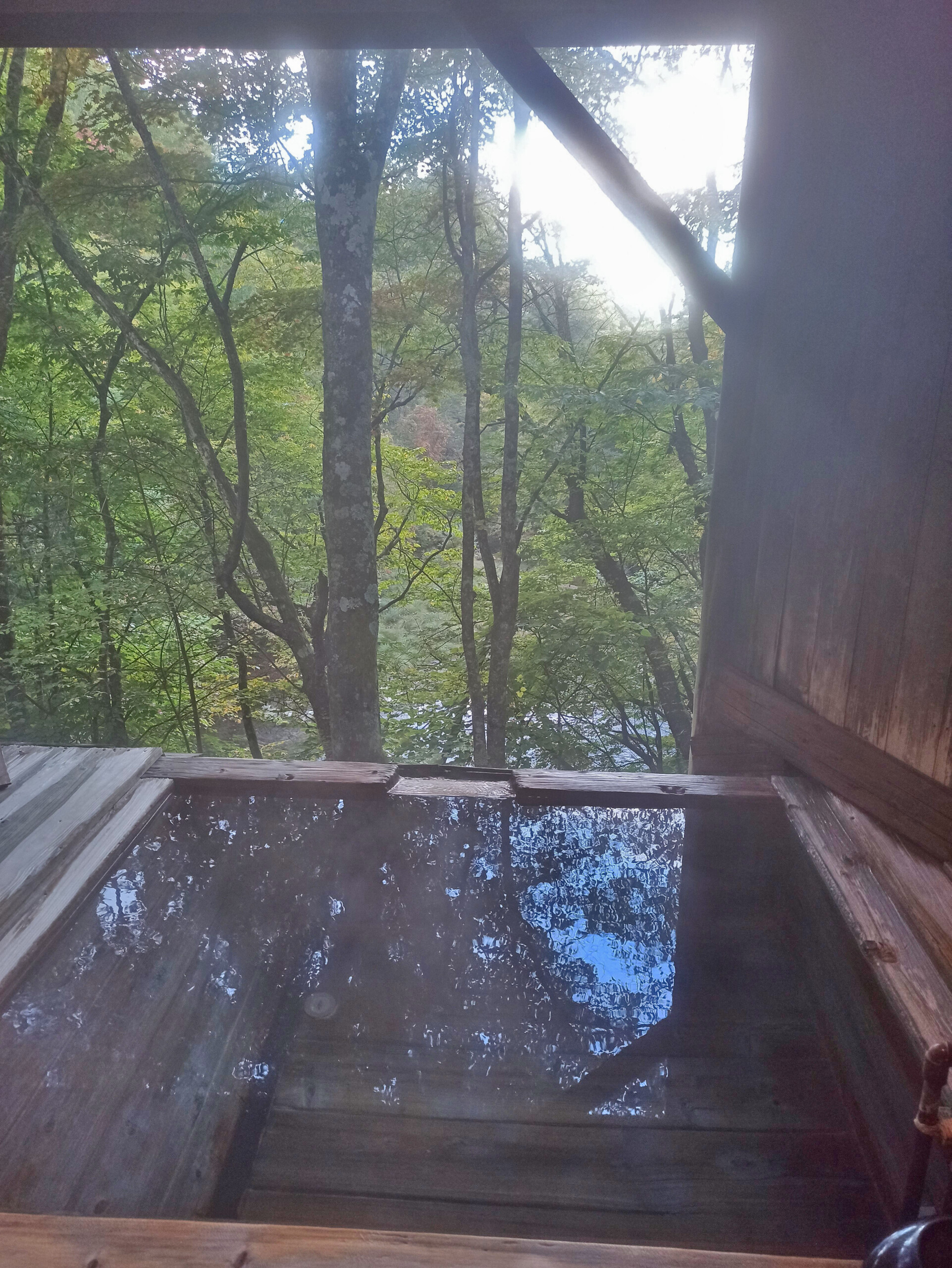
If you’re keen to drive through some mountains, then you could rent a car from Kobuchizawa station, and explore the area around Chino, Tateshina, and Saku in Nagano prefecture.
Hop on a limited express train called Azusa at Tokyo’s Shinjuku station, and in under two hours you will be in Kobuchizawa.
I visited the region three Octobers ago, just in time for 紅葉 (kouyou), or fall foliage and more:
Bottom Line
If you’re going to get the Tokyo Wide Pass, expect to be on the move during those three days. That’s the only way to extract value from it.
For those planning on staying in the more popular districts in Tokyo, this will never be worth it. But if you appreciate seeing trees and rivers without a skyscraper in sight, pick up this pass.

Leave a Reply