Disclaimer: In exchange for a review of the East Japan Golden Route I received one JR East-South Hokkaido Pass (a JR East rail pass), as well as one hotel night in each city. Please note that there will be many photos in this report.
Ever since my first trip to Tohoku three years ago, I’ve been yearning to visit more of that northern Japanese region. What better better way to do so than with the JR East-South Hokkaido Rail Pass?
Meanwhile, for a quick refresher on what constitutes Japan’s Tohoku region, here’s a map, with each prefecture’s most important airport also highlighted:
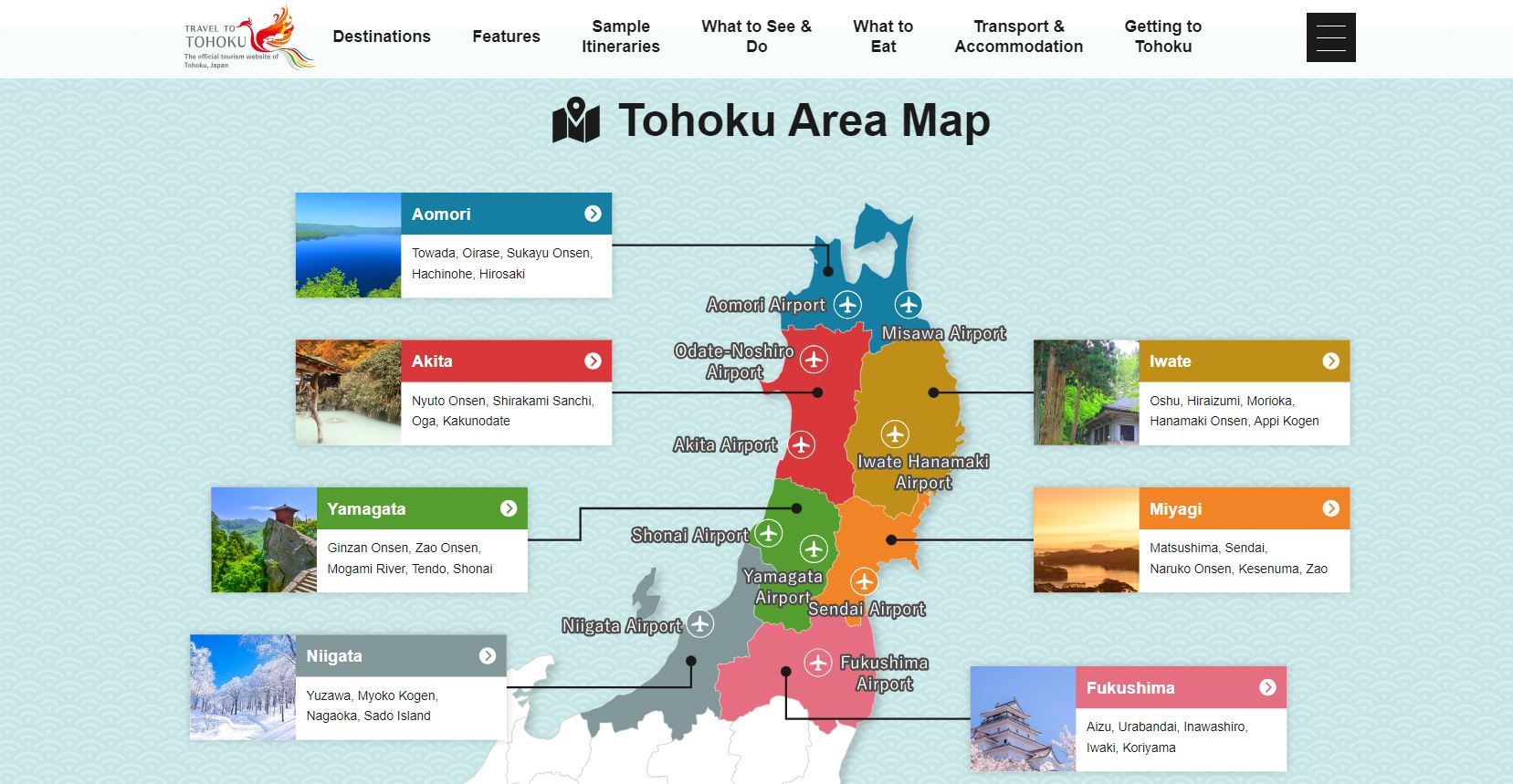
In addition to including Tohoku, there’s a clear bonus with this rail pass: parts of Hokkaido are included!
That’s right, Japan’s big sky country, known for its skiing, hiking, and everything from crab and squid to dairy and corn, awaits.
To further clarify things, check out the official JR (Japan Rail) map below:
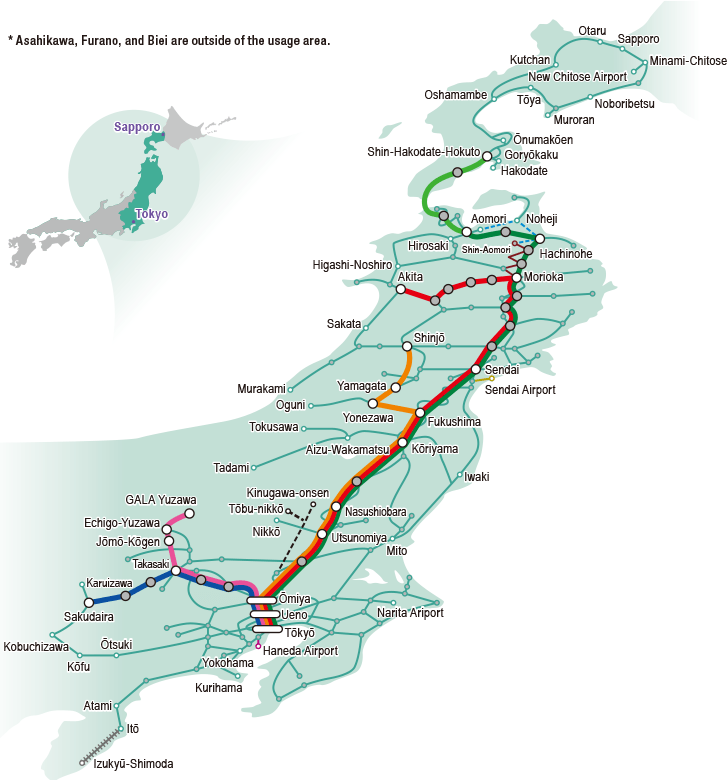
I also mentioned the phrase East Japan Golden Route. This is a relatively new way to describe four key cities in the Tohoku region, and one in Hokkaido:
– Aomori
– Hachinohe
– Morioka
– Sendai
& Hakodate, on the island of Hokkaido
Who Can Buy It?
The JR East-South Hokkaido Rail Pass can only be purchased by non-Japanese passport holders. That is, whether you’re a foreign tourist or resident, it’s all good.
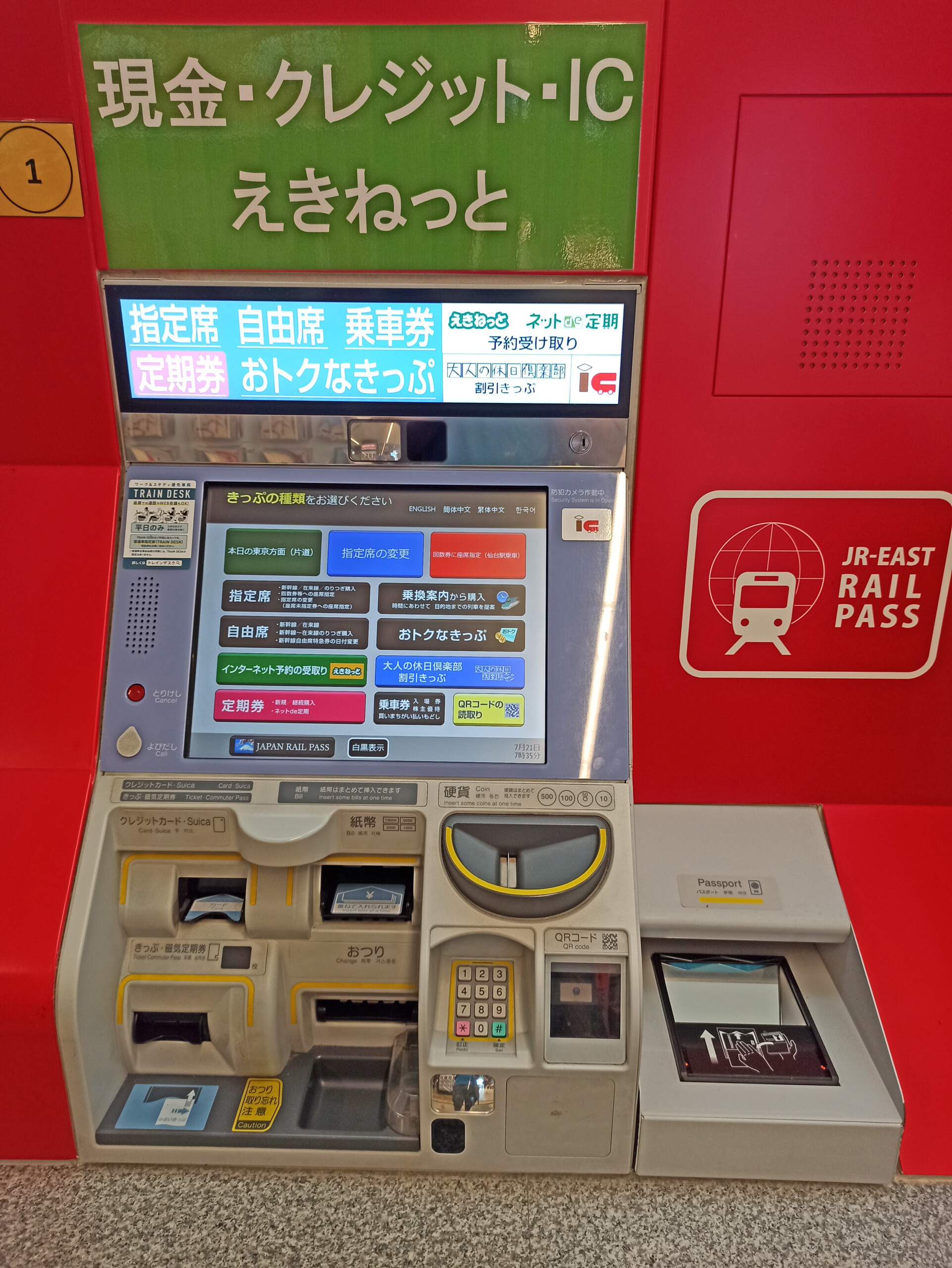
The pass can be purchased on the JR website Eki Net (in Japanese えきねっと), or in major JR stations; just don’t forget your passport! If you want to buy it from a ticket machine, make sure the machine has a passport scanner:
Cost and Validity
Firstly, the JR East-South Hokkaido Rail Pass is valid for six consecutive days — no hopping and/or skipping days allowed.
It costs ¥35,370 for adults, and ¥17,680 for children aged 6-11.
but wait … there’s more.
Rail Pass Discounts
Holders of this rail pass are entitled to certain discounts throughout Tohoku and Hokkaido. For more info, visit the official discount site, called &Ekinaka. FYI, eki 駅 means “train station,” and naka 中 is either “middle,” or “inside of.”
Which Trains (& Buses) Can I Use?
According to the earlier linked JR East Pass page, you can use the following trains (and buses):
- JR EAST (including BRT*)
- JR Hokkaido Lines (Hakodate, Sapporo, Otaru area)
- Izu Kyuko Line
- Tokyo Monorail (connecting to Haneda Airport)
- Aoimori Railway Line
- Iwate Galaxy Railway (IGR) Line
- Sendai Airport Transit Line
- Reserved seats in ordinary cars of the following express trains with through operations between JR EAST and Tobu Railway lines: Nikko, Kinugawa, and SPACIA Kinugawa trains.
- You can also use regular trains (including rapid trains) from Shimo-imaichi to Tobu-nikko and Kinugawa-onsen on the Tobu Railway line.
Between Kurihashi and Shimo-imaichi, you can only use limited express trains that run through to Tobu Railway. **
- BRT refers to a Bus Rapid Transit system.
- The only limited express trains you can use with the JR East-South Hokkaido Rail Pass are through trains from JR lines to Tobu Railway lines. You cannot use limited express trains whose first and last stations are Tobu Railway stations.
n.b.
To buy train tickets on trains requiring seat reservations (e.g. some limited-express trains, and some shinkansen/bullet trains), you have a couple of options. You can wait on the often slow-moving queues at station ticket offices. There’s also the JR East train reservation site.
Or, watch this video I made to help you sort things out:
Show Us the Photos Already
OK, OK, let’s get to some of the highlights from my 6-day trip. Note that I’ve added in photos from an assortment of trips, even though I used this specific rail pass earlier this February.
By the way, while in Tohoku you might see signs with the phrase みちのく/陸奥. Pronounced as michinoku, and meaning “the inner land,” it refers to an historical province that now forms parts of Fukushima, Miyagi, Iwate, and Aomori prefectures.
Morioka, Iwate prefecture
Morioka is a good base from which to explore the northern reaches of Tohoku; it’s just about an hour from Aomori city, and between 38-45 minutes from Sendai, the largest city along the East Japan golden route.
As I was still somewhat jet lagged from, I was able to take advantage of the early wake-up to visit the Mikoda asa ichi (朝市), or Mikoda morning market.
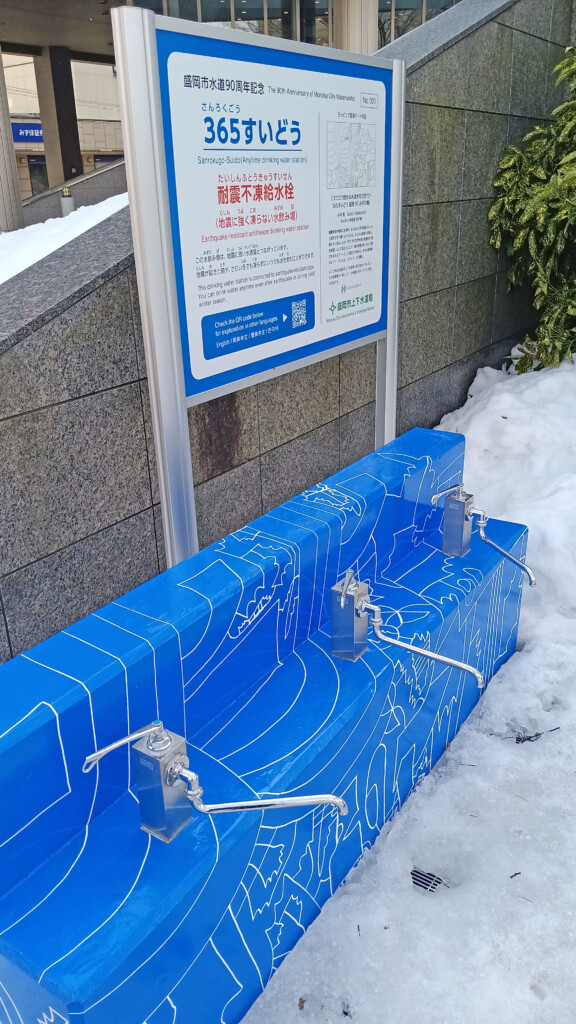
Although it’s a very small operation, there were two nice aspects about it. One, there were some local vegetables, fish, and noodles to try. Two, along the way there, I passed by the Daiji Shimizu natural springs:
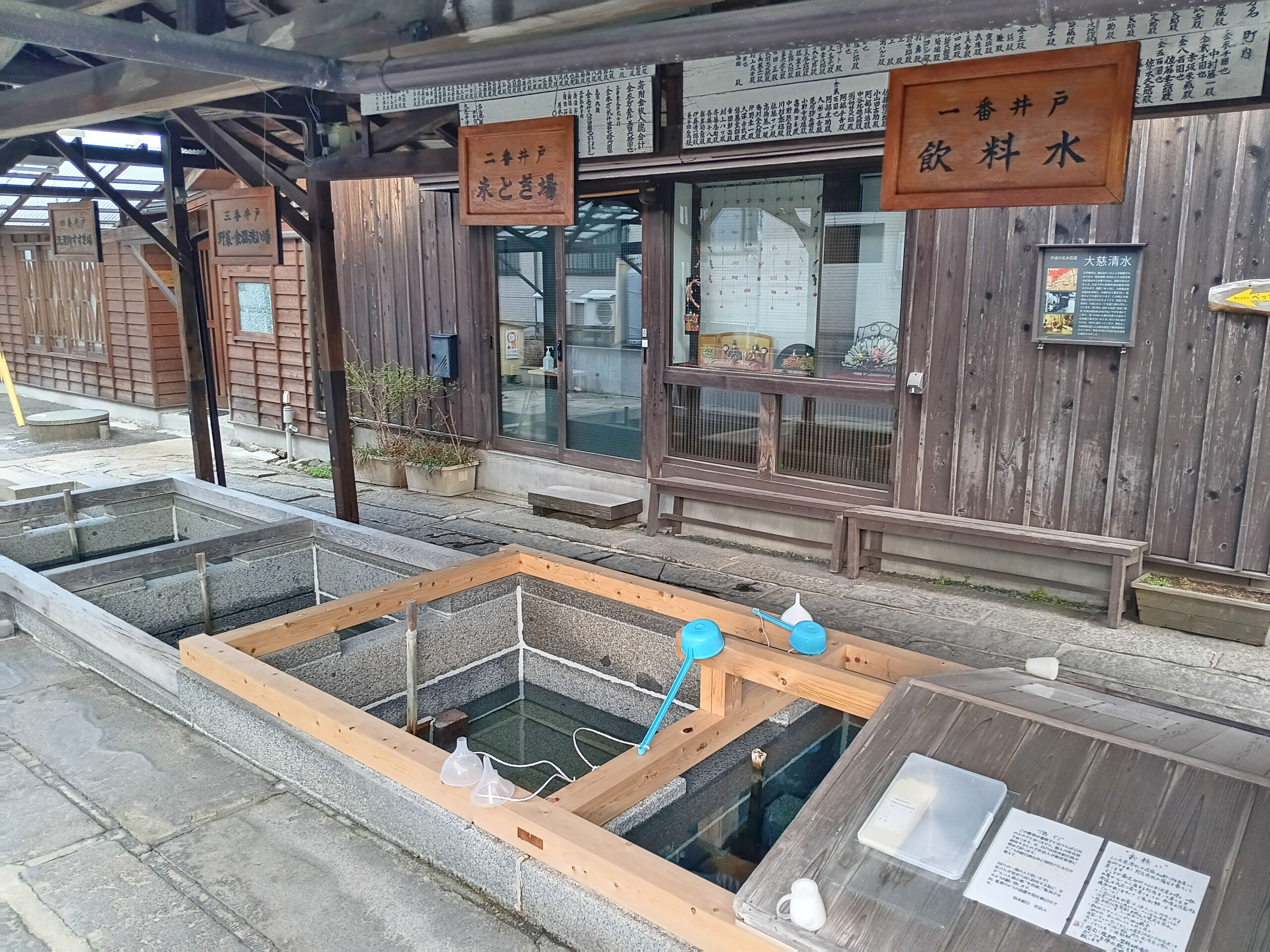
Read from left to right, the four quadrants are for washing clothes, washing dishes, cleaning rice, and finally, for drinking.
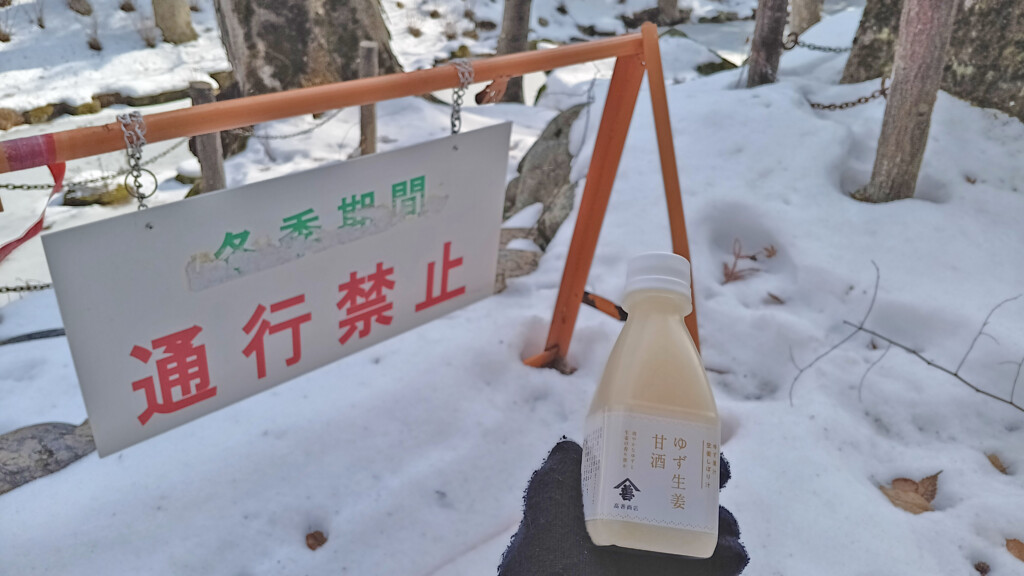
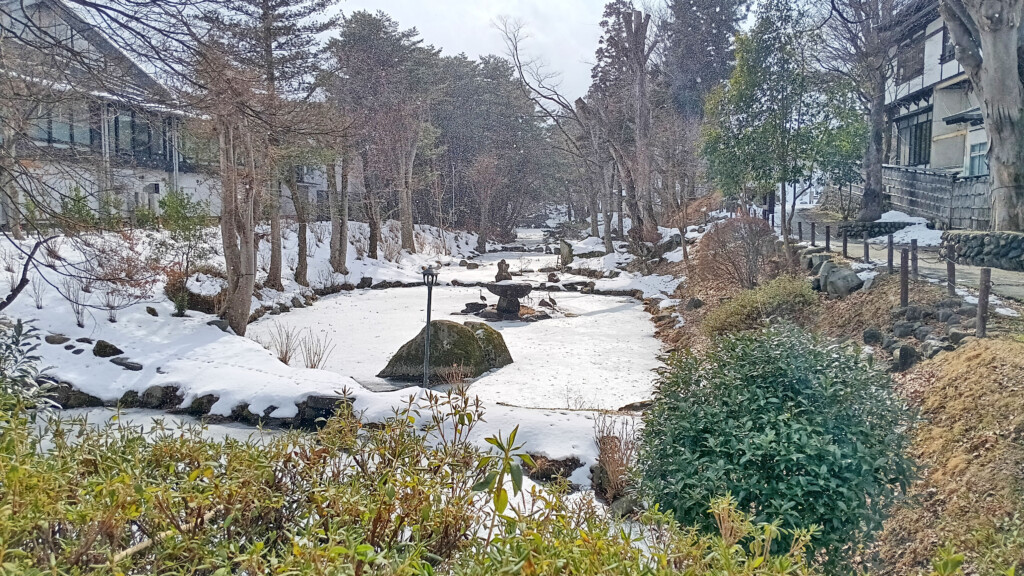
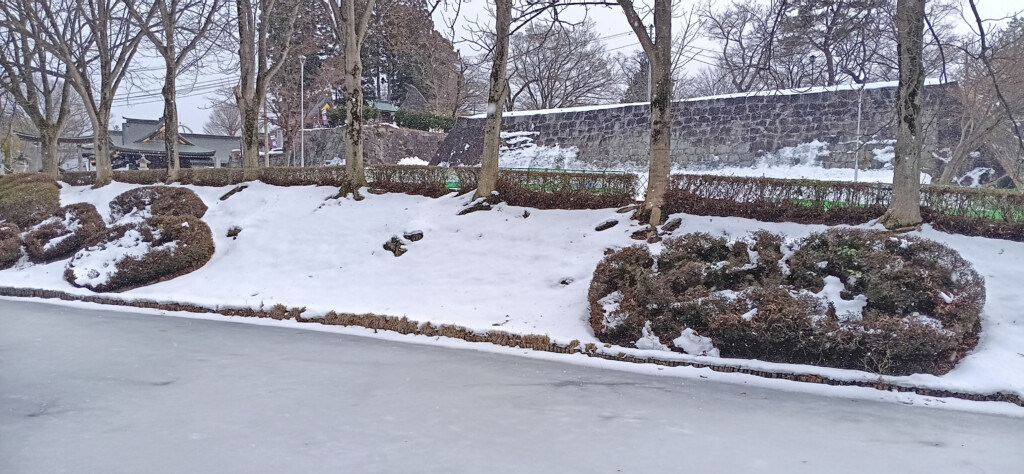
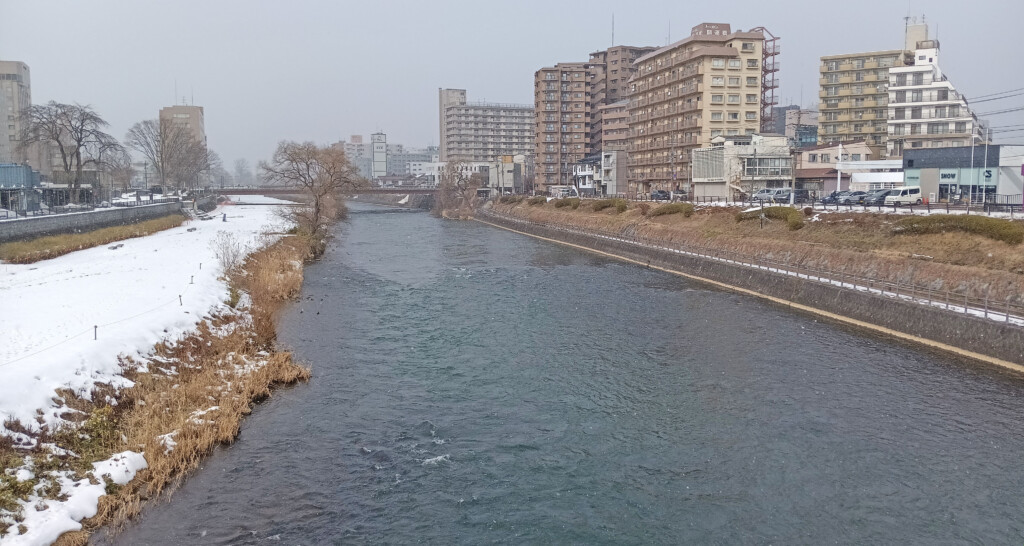
Here are a few more shots from Morioka:
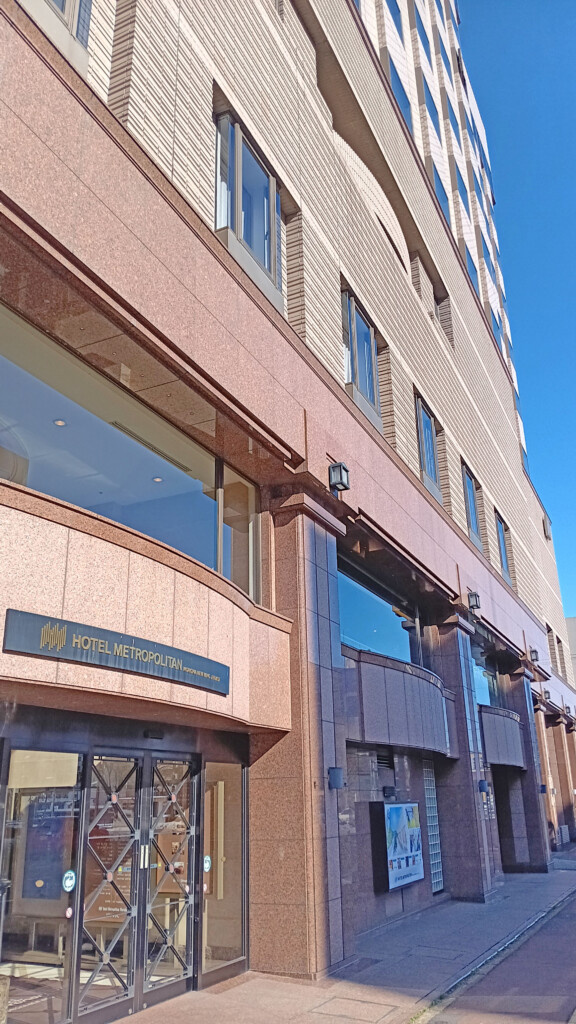
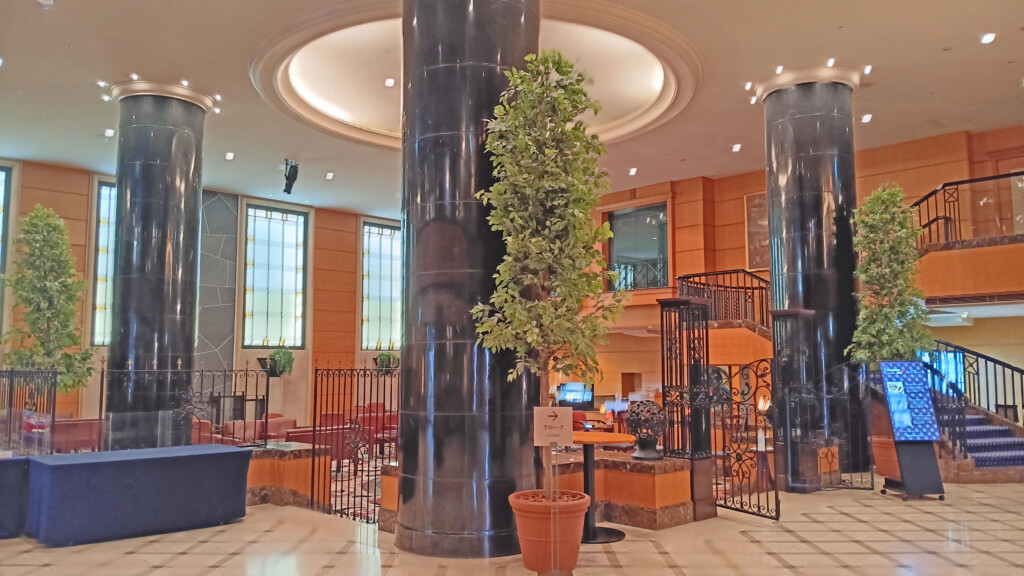
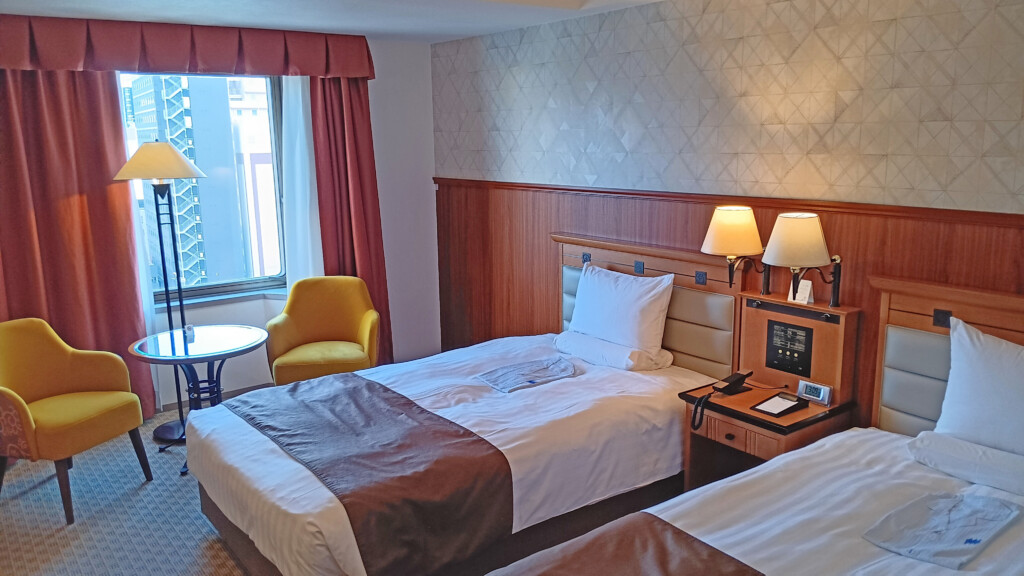
Hotel Metropolitan Morioka New Wing
The Hotel Metropolitan Morioka New Wing was probably the least pleasant stay on my trip. Construction work was being done on the floor right above mine, and breakfast was mostly condiments.
In spite of those issues, it’s just a short walk from JR Morioka station.
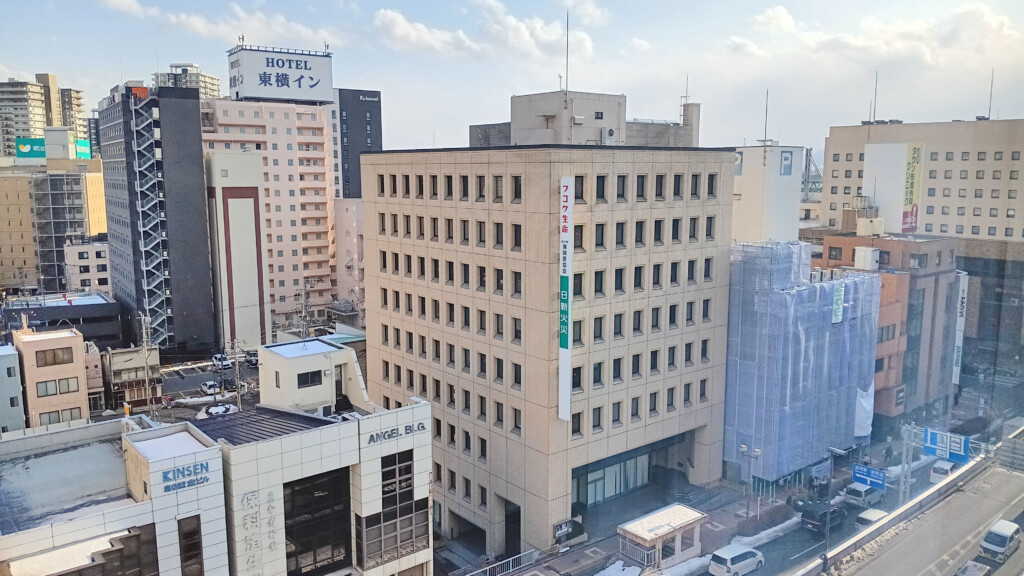
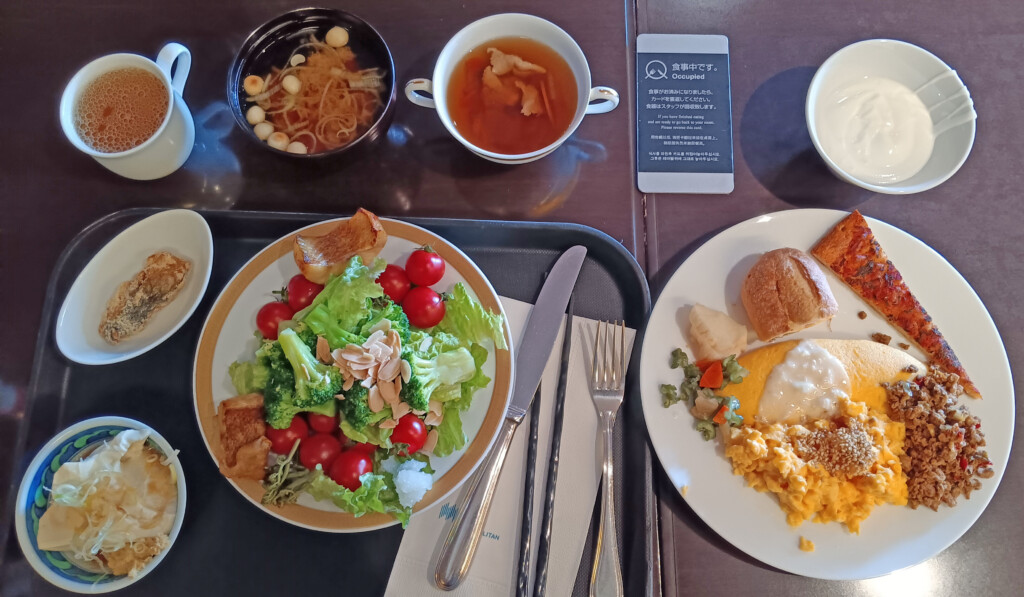
Hakodate, Hokkaido prefecture
Hakodate is currently the northernmost bullet train stop in Japan. Whereas you can trek to Sapporo, Hokkaido’s largest city, with the JR East-South Hokkaido Rail Pass, you would have to transfer to a not particularly fast train called Hokuto (北斗), referring to the Big Dipper.
Nevertheless, Hakodate is known for its seafood, Goryokaku fort, and for being the first port in Hokkaido reopened to foreigners in the mid-1800s. Considering its location in the southern part of that island, it had also previously served as the gateway to Hokkaido for the rest of Japan:
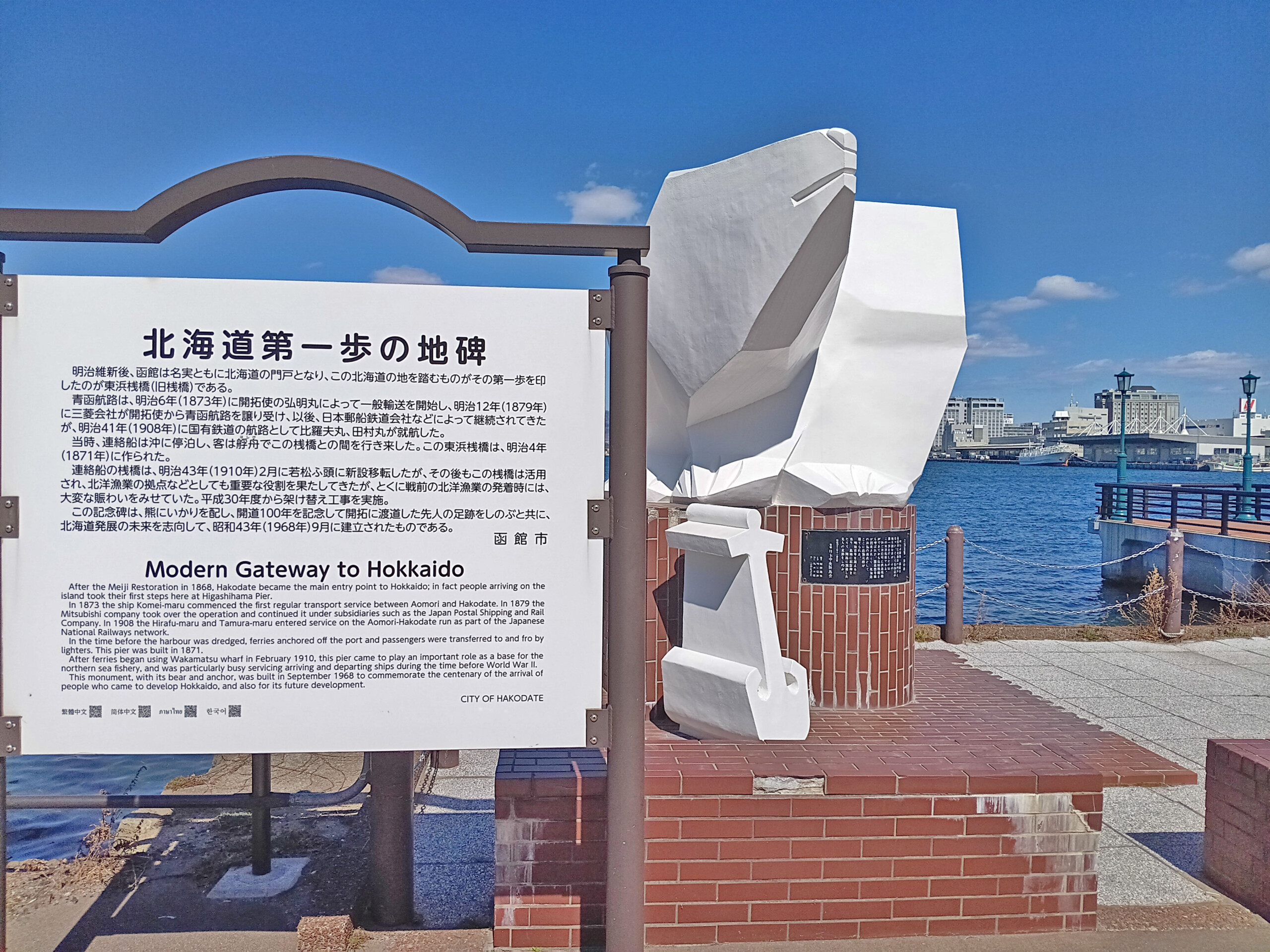
But I visited for the marine life.
You know, the edible marine life:
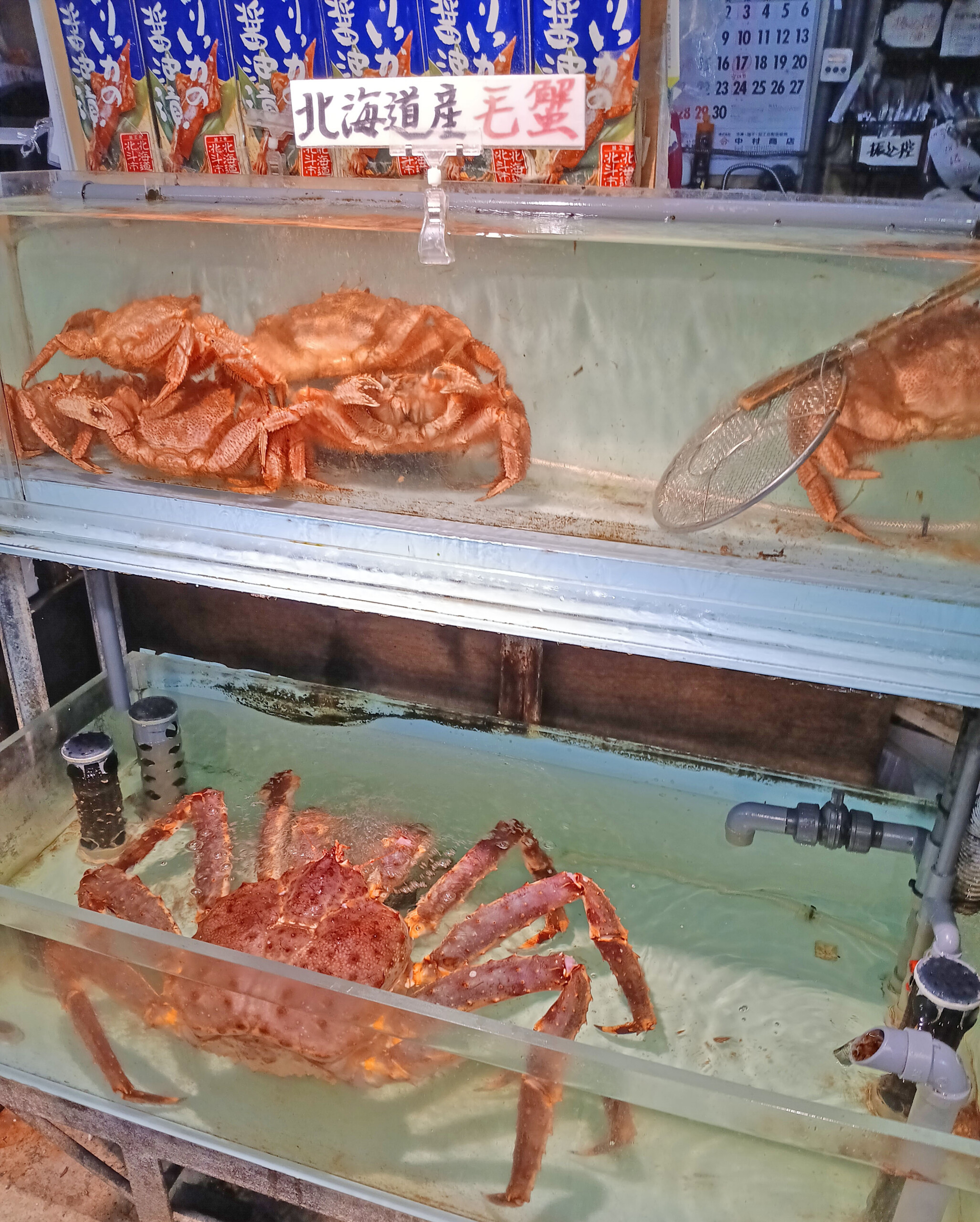
Once I had my fill of crab, scallops, and uni, I went back on the historical track.
This is a springtime photo of Goryokaku (五稜郭), a star fort modeled after some in France:
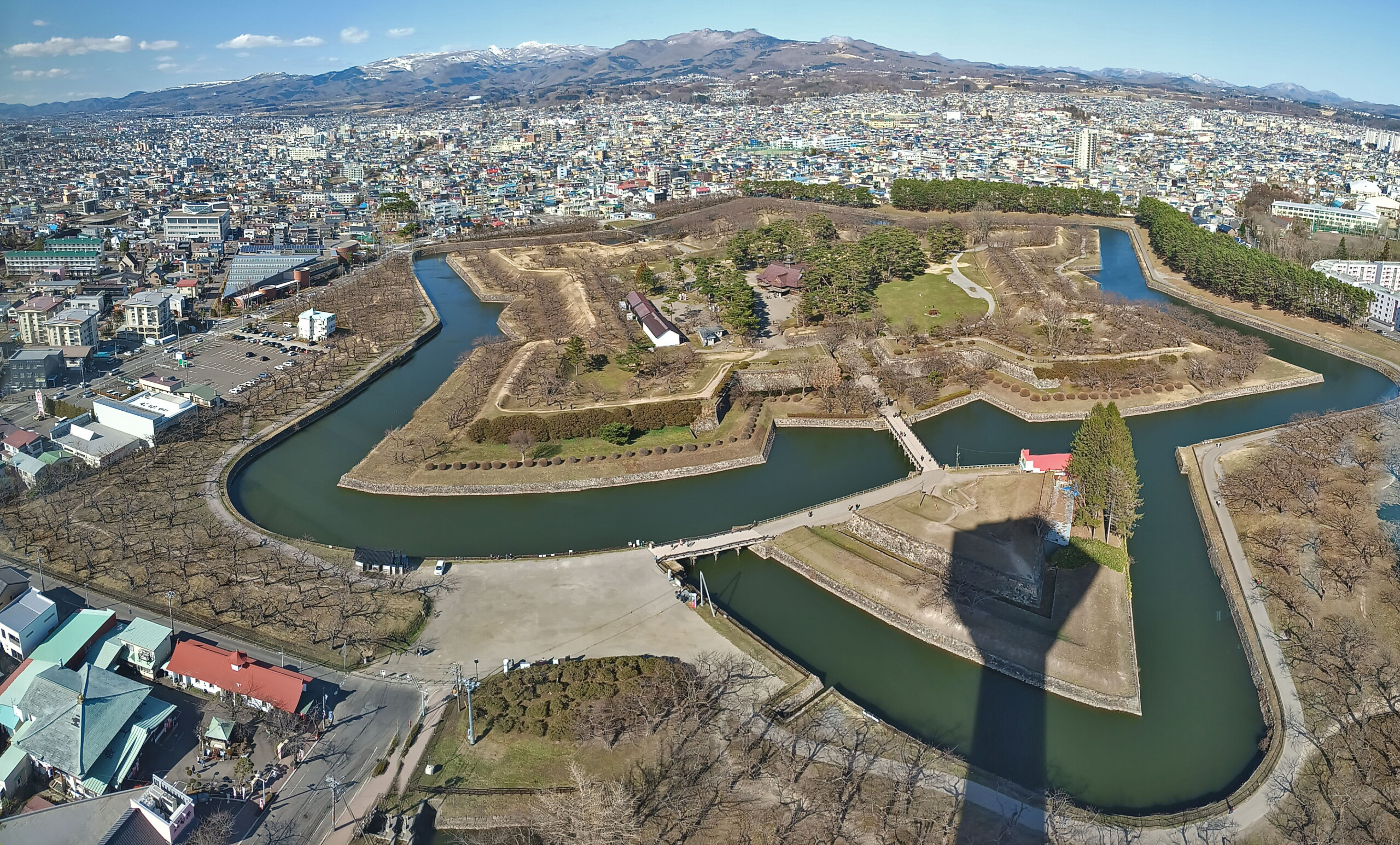
It was built in the mid-1860s to … defend against Western powers. However, its primary claim to fame is that the Tokugawa shogunate ended in a battle here, giving rise to the Meiji period in 1868.
By the way, those barren trees get the cherry blossom treatment in early May.
Onuma Park
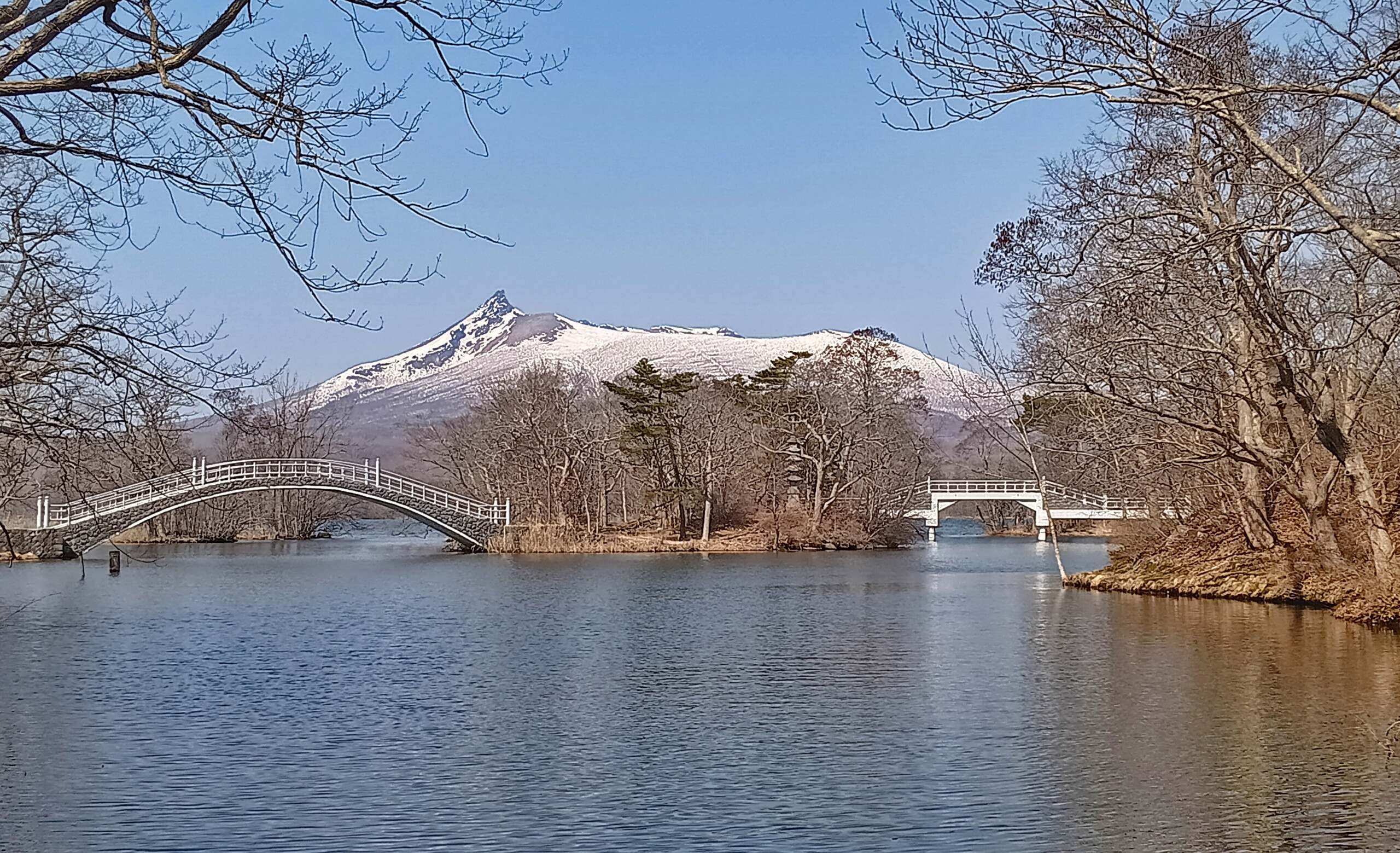
A relatively short hop away from Hakodate is Onuma Park (大沼 公園 おおぬま こうえん). It would be quite a treat once the spring and summer come around, but for now, there’s not so much to see. Keeps the crowds down, innit?
What was cool was the series of small bridges offering slightly dissimilar views of Komagatake, the iconic peak in southern Hokkaido:
JR Inn Hakodate
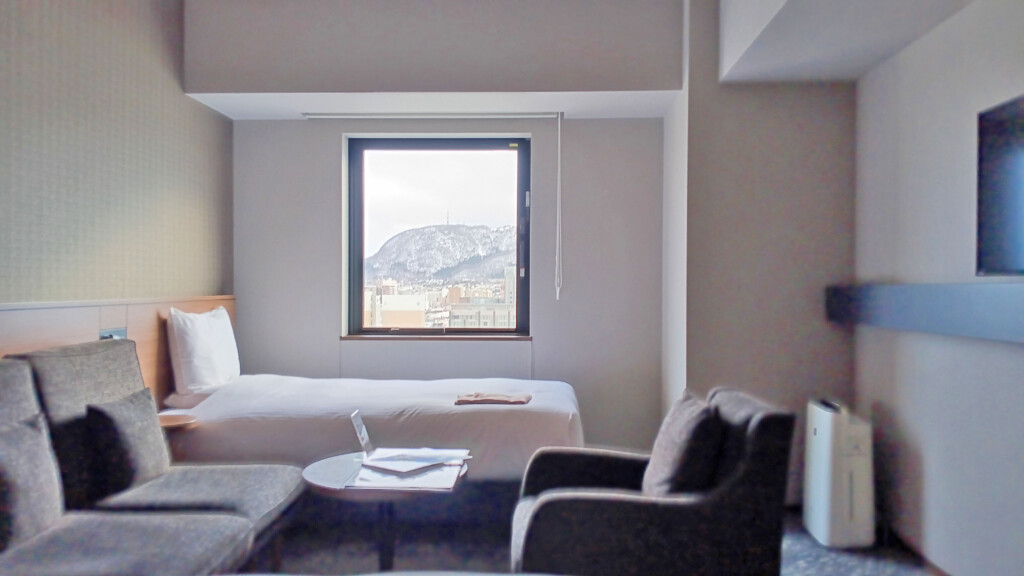
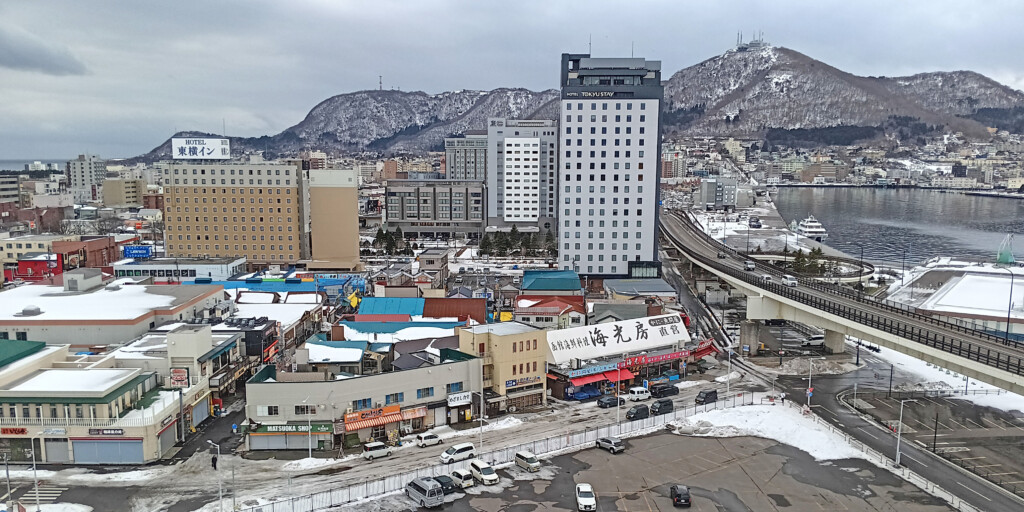
To reach the JR Inn Hakodate hotel, it’s just outside of Hakodate’s downtown station. Don’t confuse this with Hakodate’s bullet train station, which is called Shin-Hakodate-Hokuto station.
Anyway, getting to the room can take a bit of time, because there are many floors, just two elevators, and a communal bath on the top floor. Throw in the cleaning staff, who don’t have their own service elevator (seems common in many Japanese hotels), and you might be waiting a while.
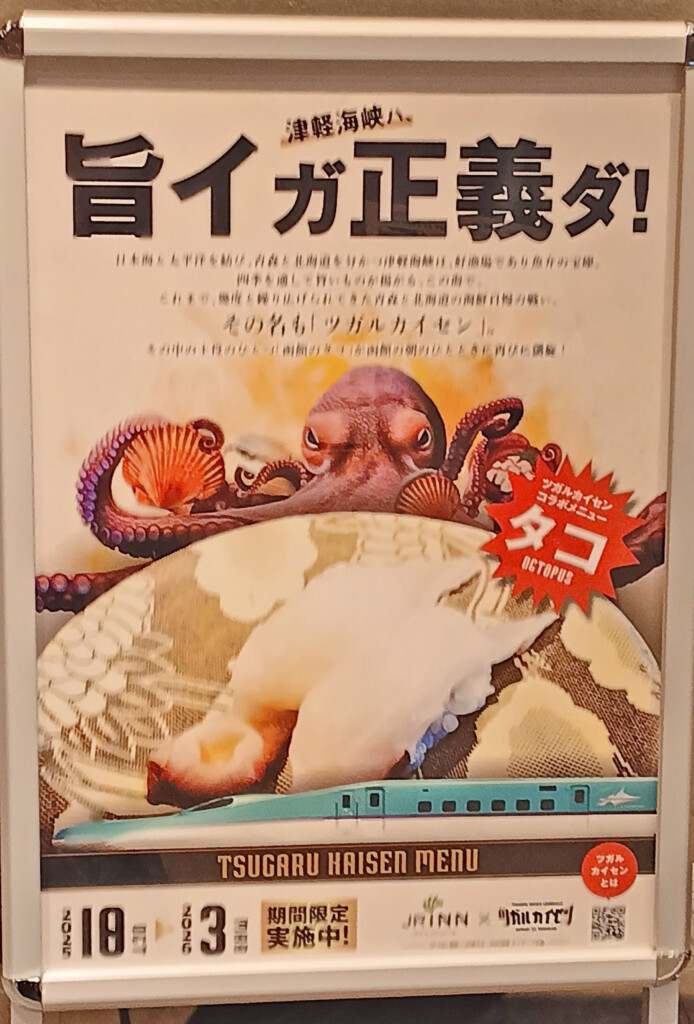
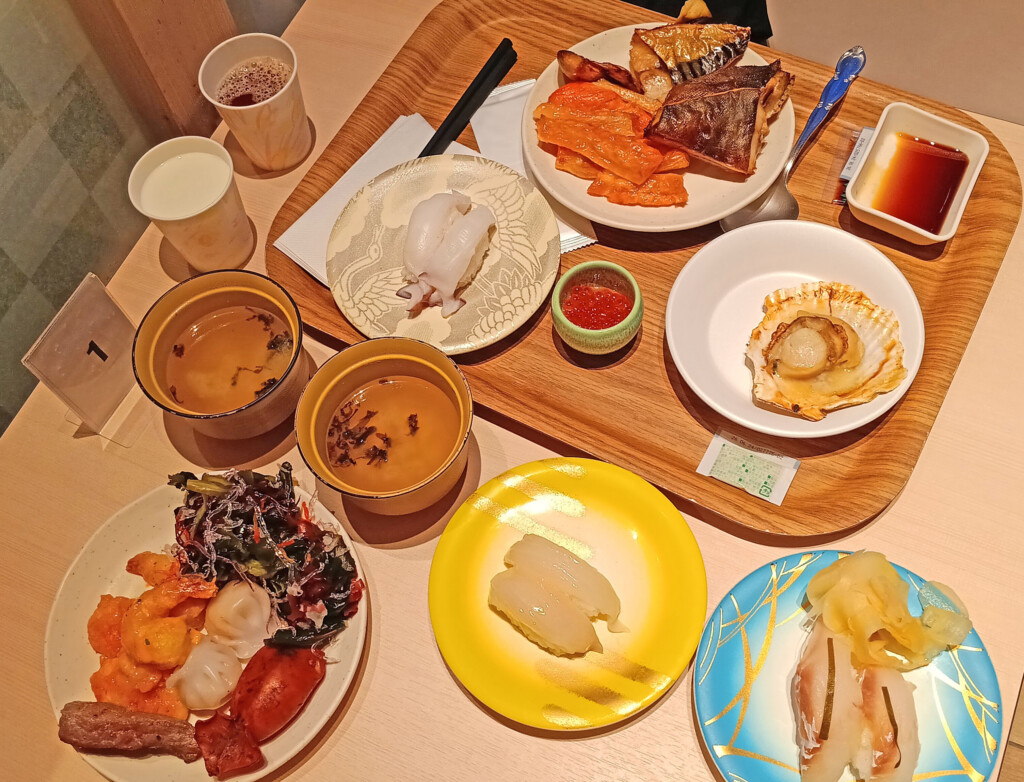
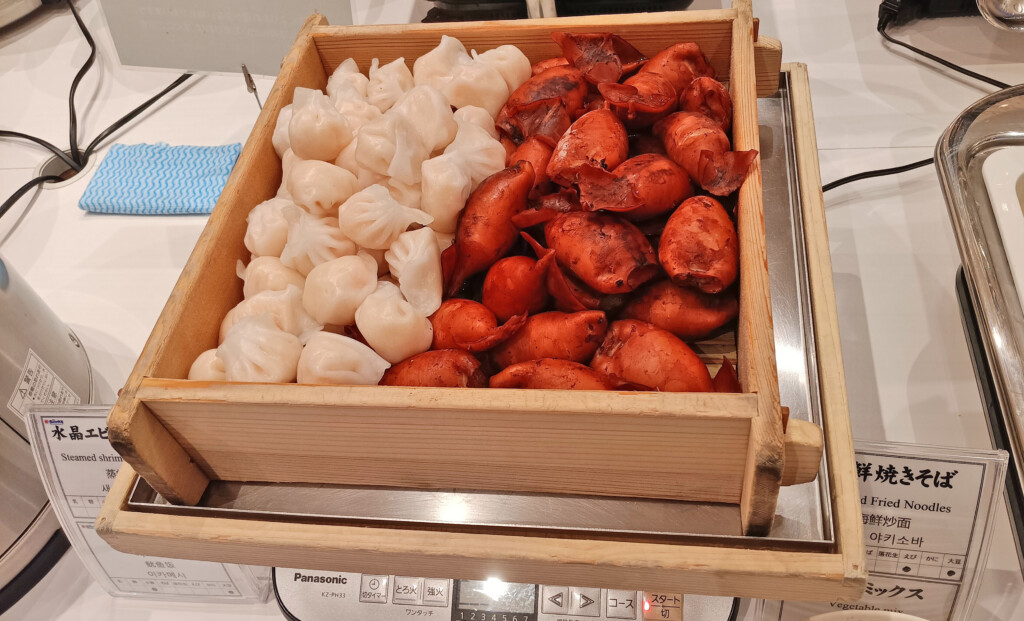
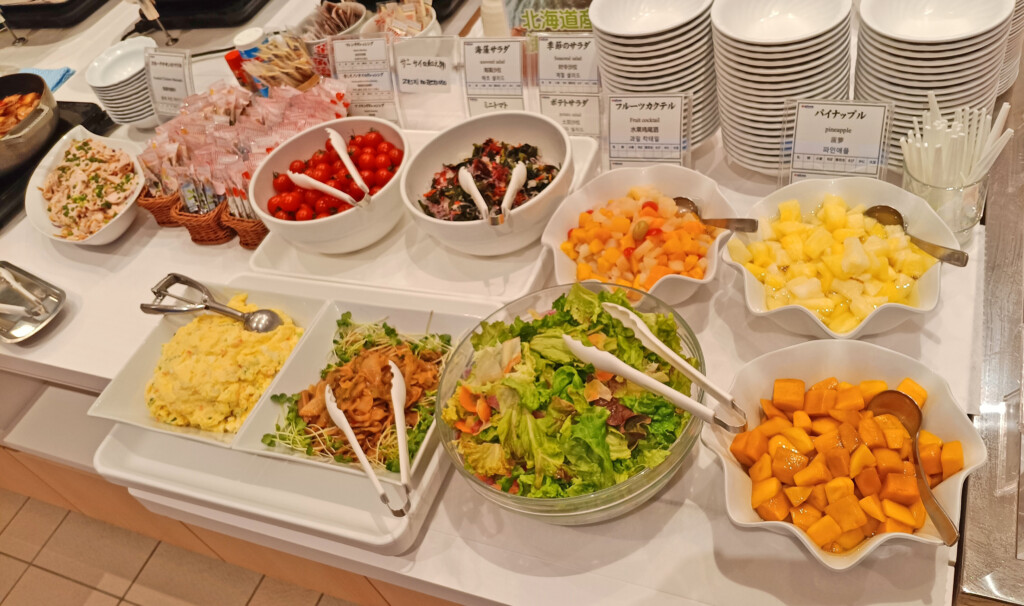
What I liked were the pillow “buffet” next to the front desk, the breakfast buffet with conveyor belt sushi (aka kaitenzushi), and the really good tap water.
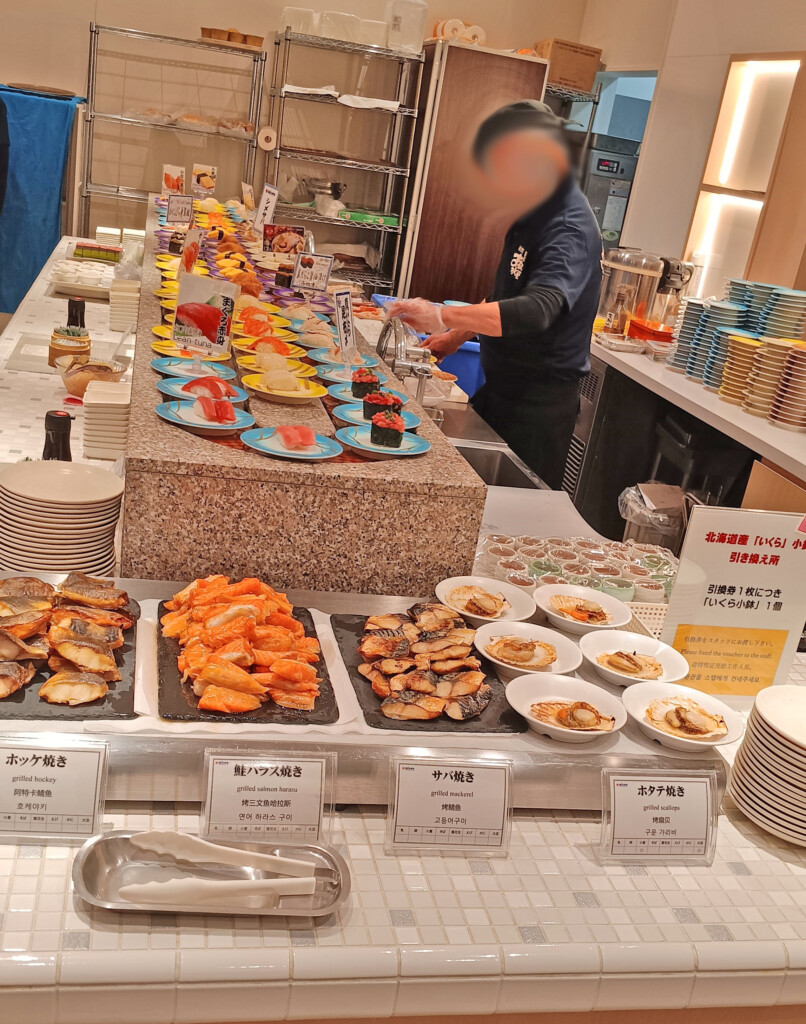
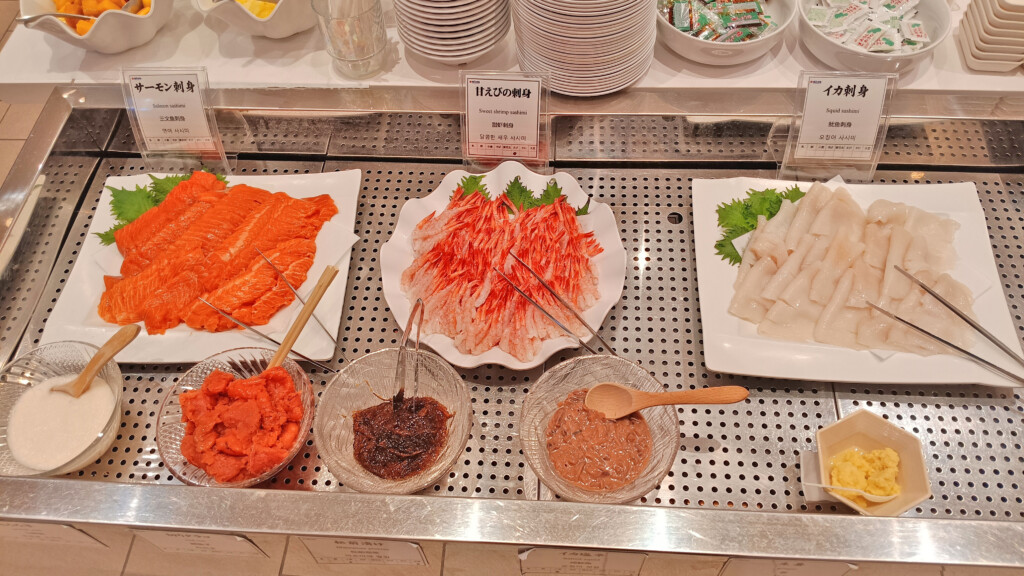
Aomori, Aomori prefecture
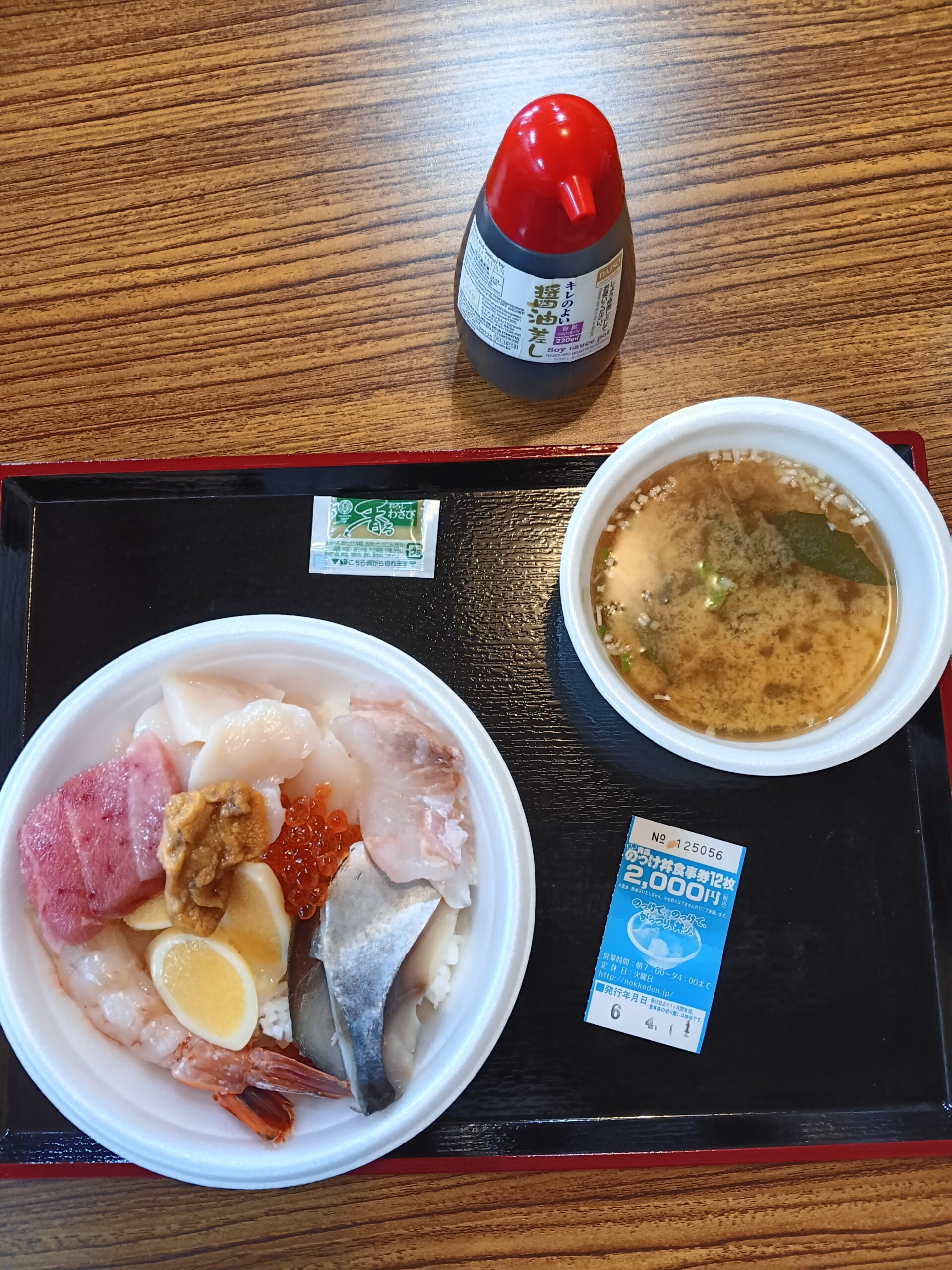
Like my first trip to Tohoku, I visited the small city of Aomori. Unlike that trip, this time I remembered to amble over to the Aomori Gyosai Center (青森魚菜センター). What’s that? It’s a small fish and vegetables market known for the dish nokkedon (のっけ丼).
How does it work? You buy some tickets, snag a bowl of rice, then wander around the stalls, letting your eyes and nose doing all of the work.
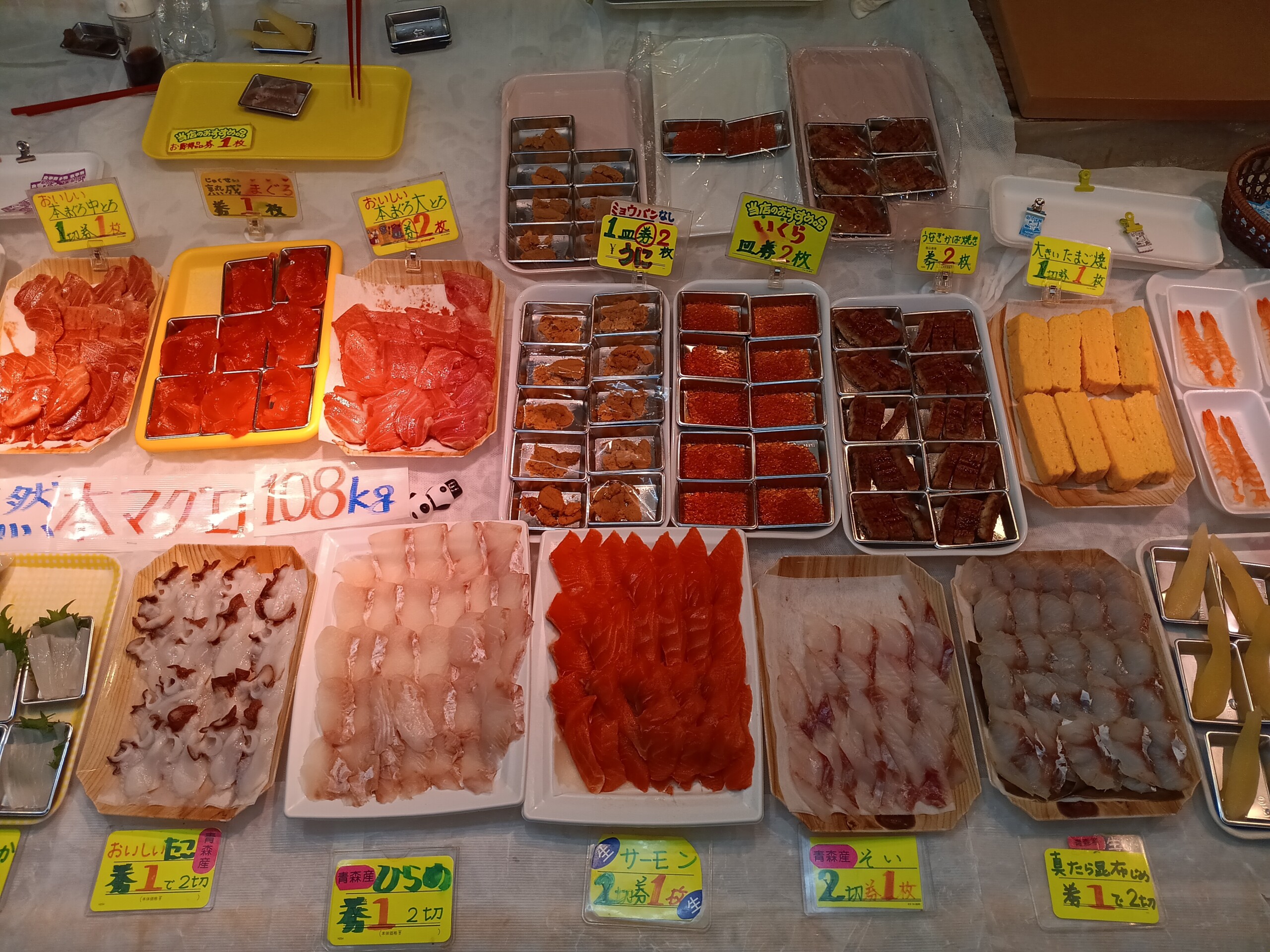 As long as a particular vendor is accepting tickets, you can top your bowl of rice with everything from scallops and salmon roe to mackerel and herring roe:
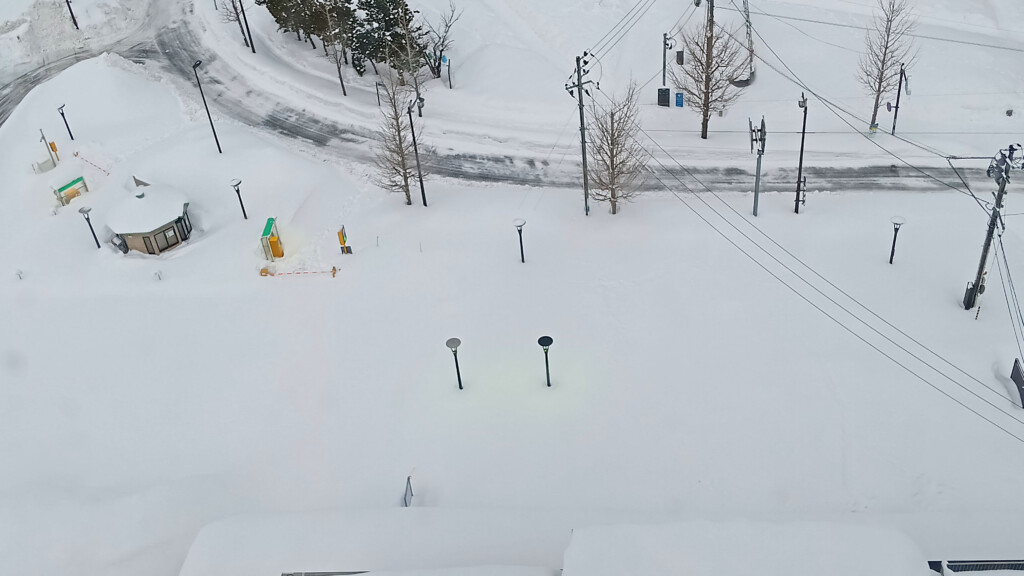
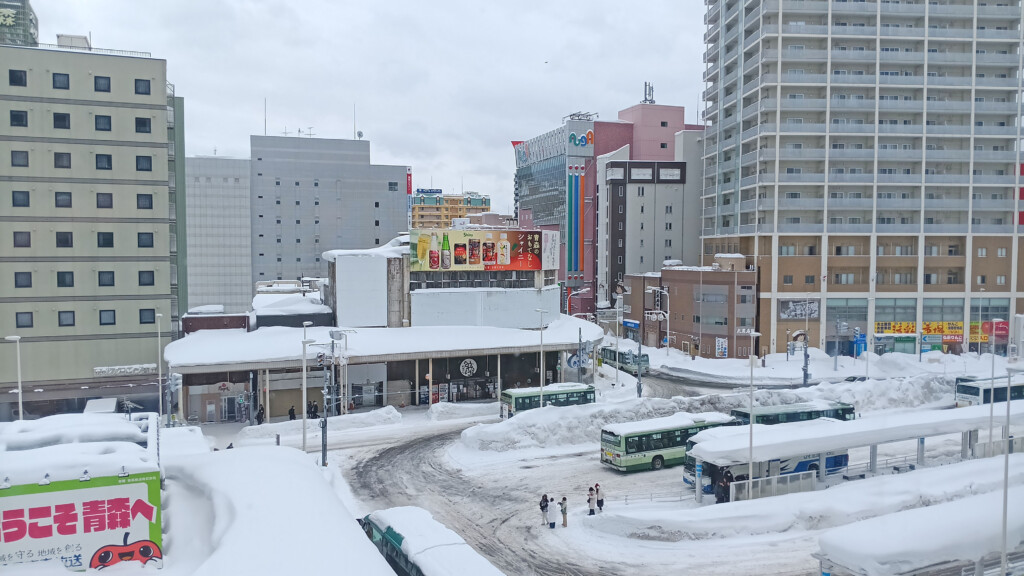
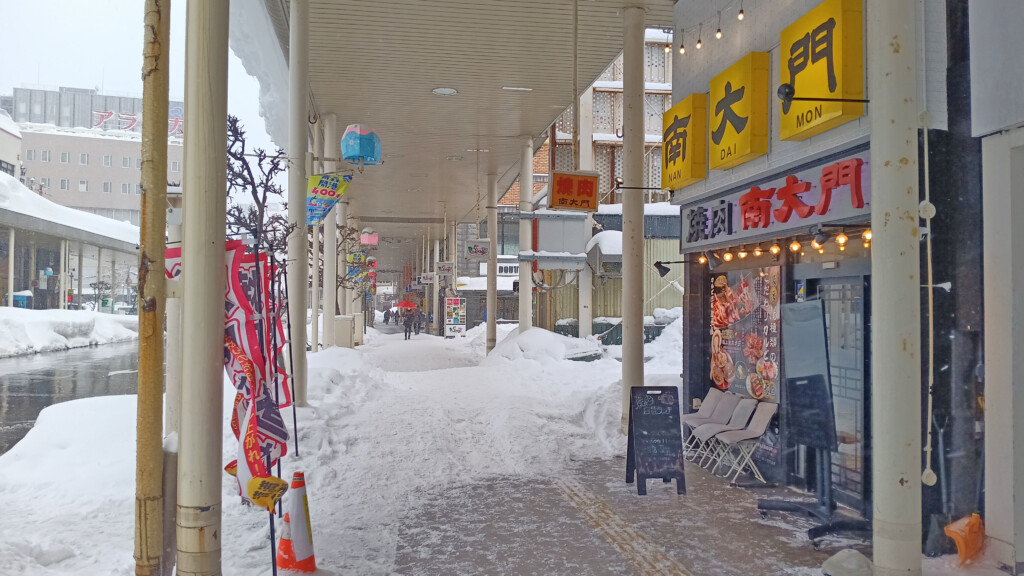
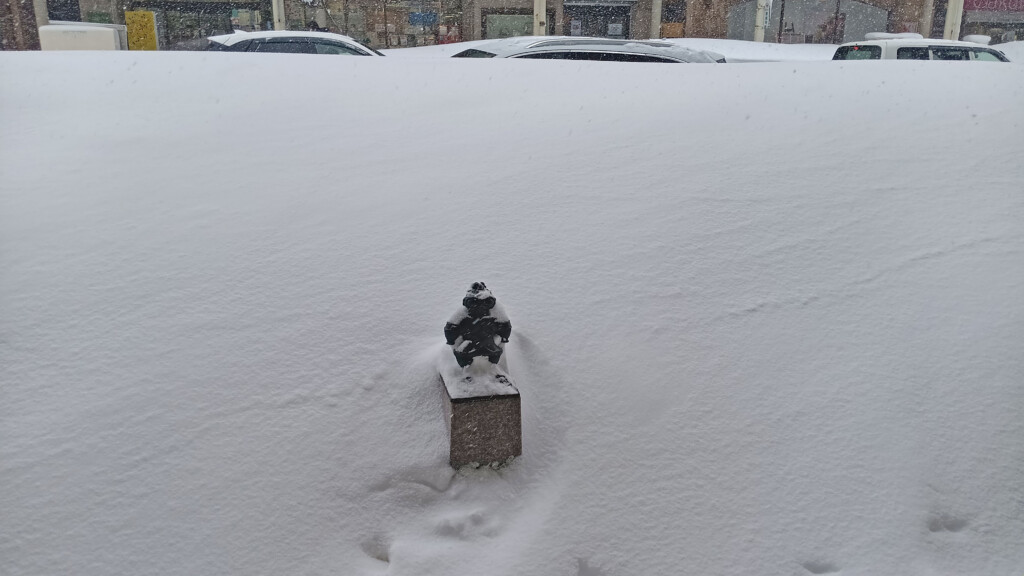
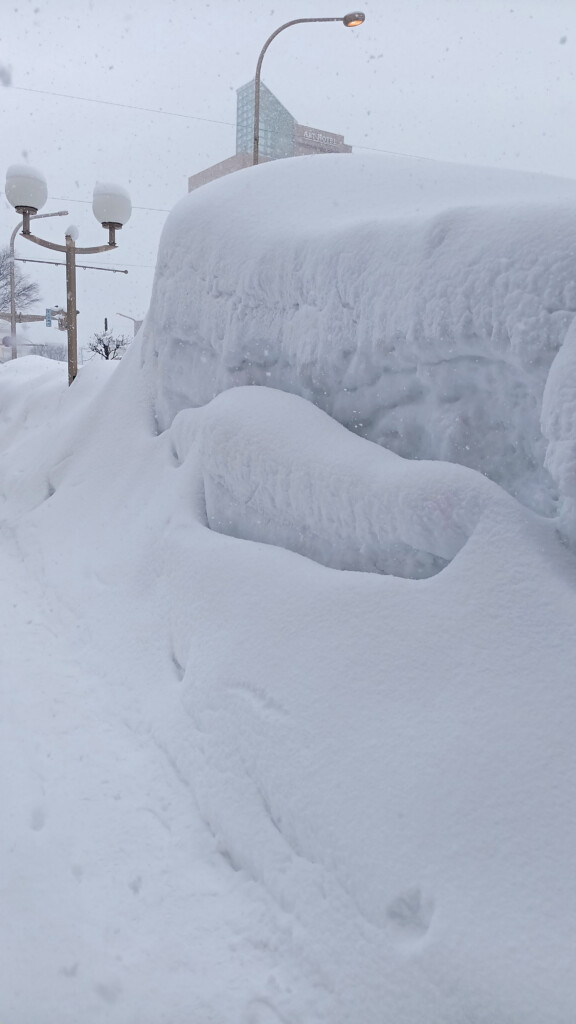
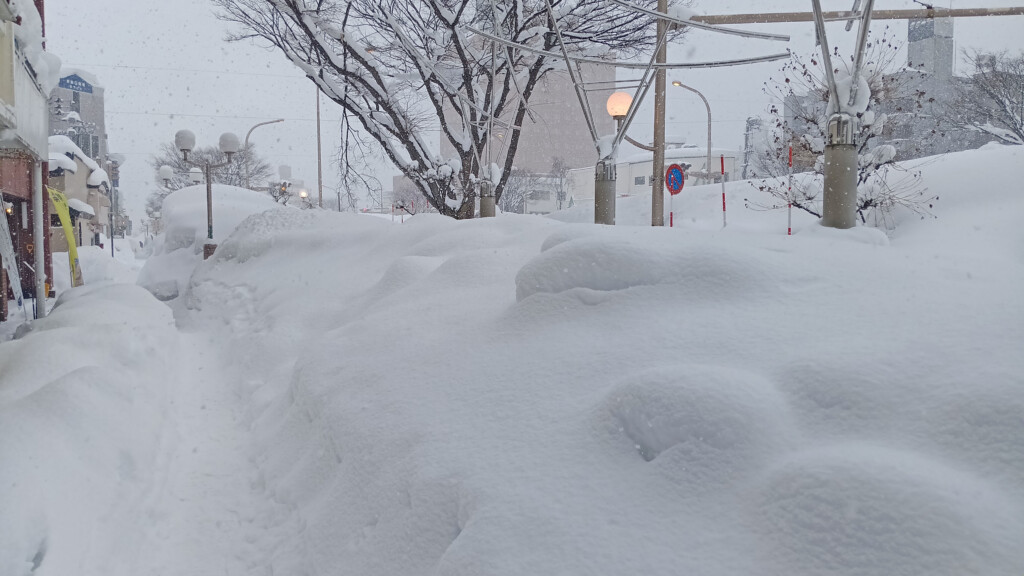
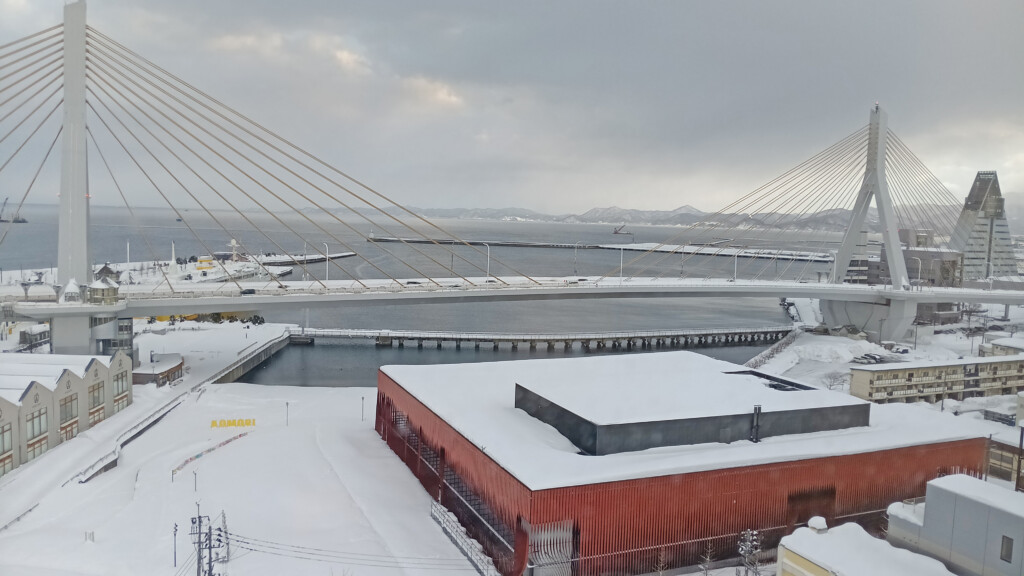
But there’s something I must mention: snow. Snow snow snow.
I don’t know if I’ve ever seen this much snow. You know what, it was rad. Even though it seemed no one was around to — or cared to — shovel, once I left the main shopping street right in front of the train station, it was so peaceful. Aomori isn’t a big city either, so that lack of hustle and bustle augmented my experience.
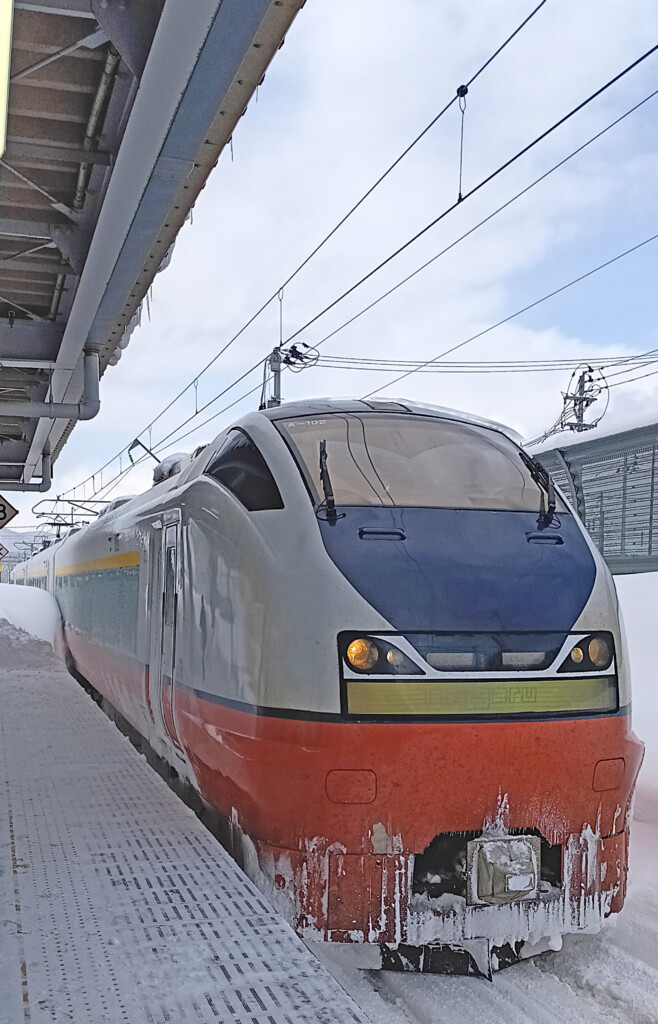
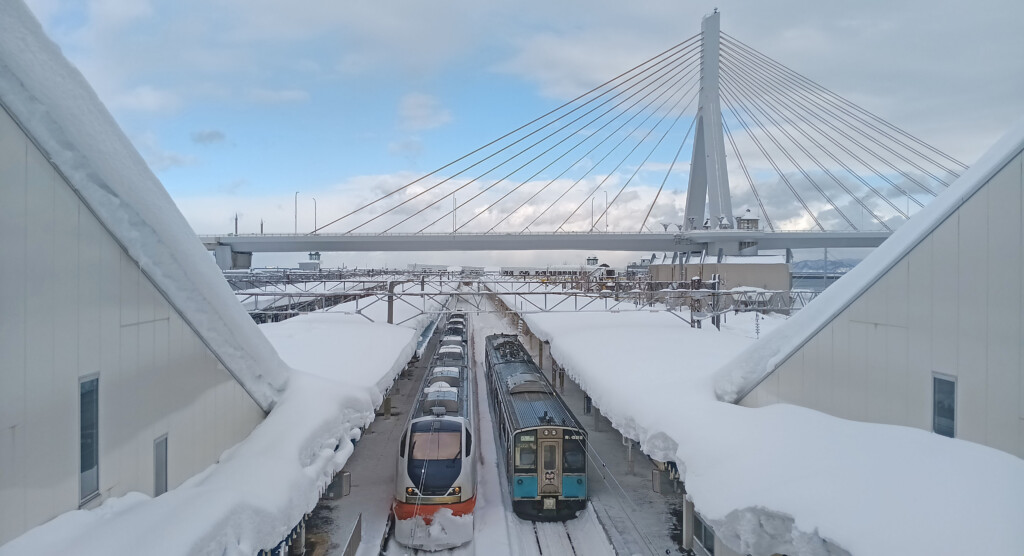
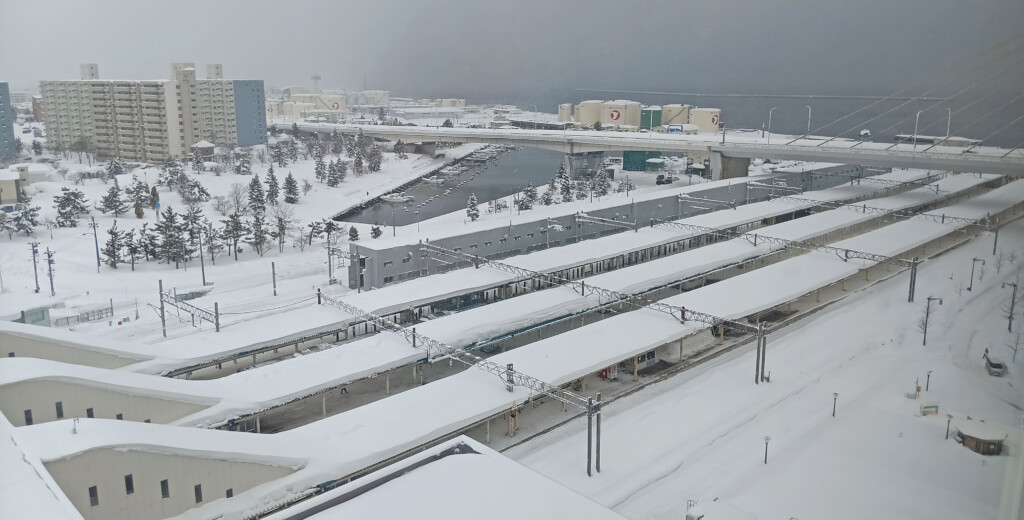
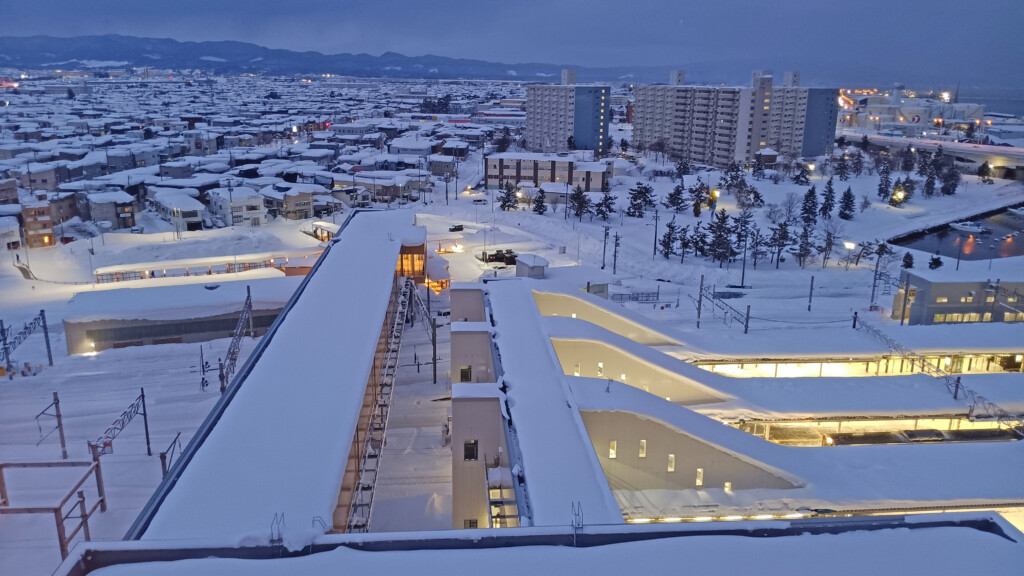
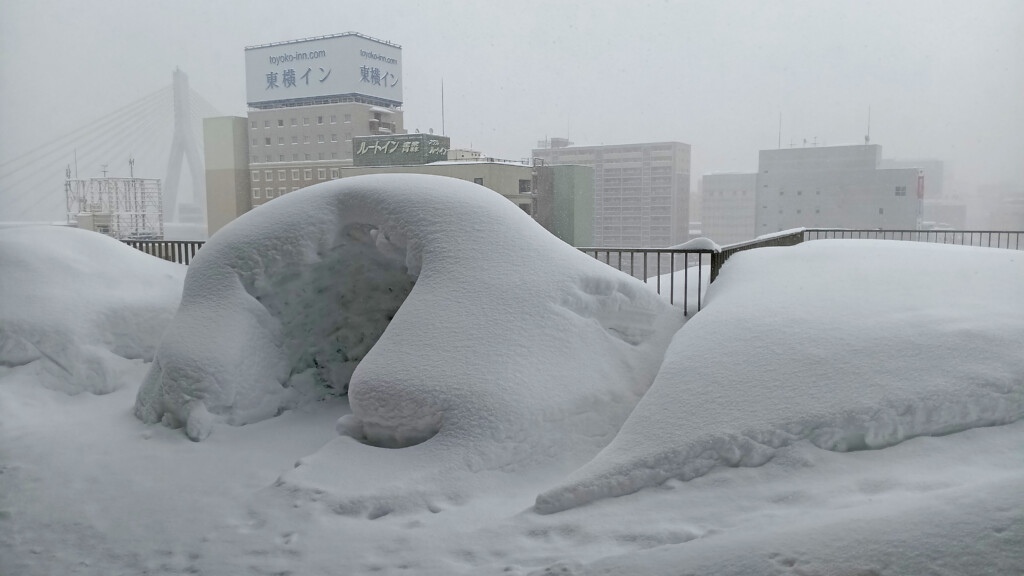
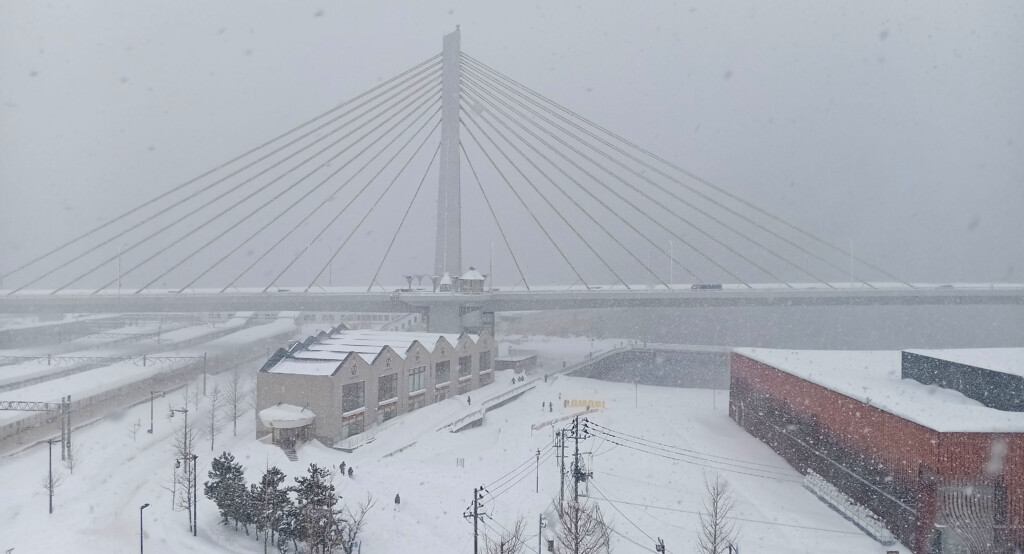
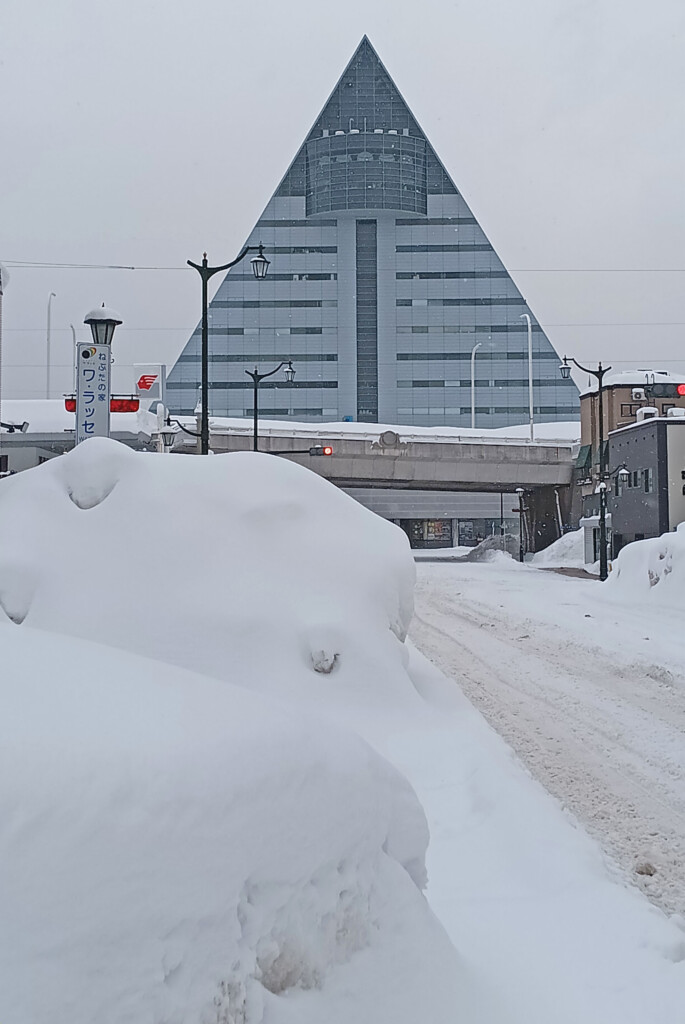
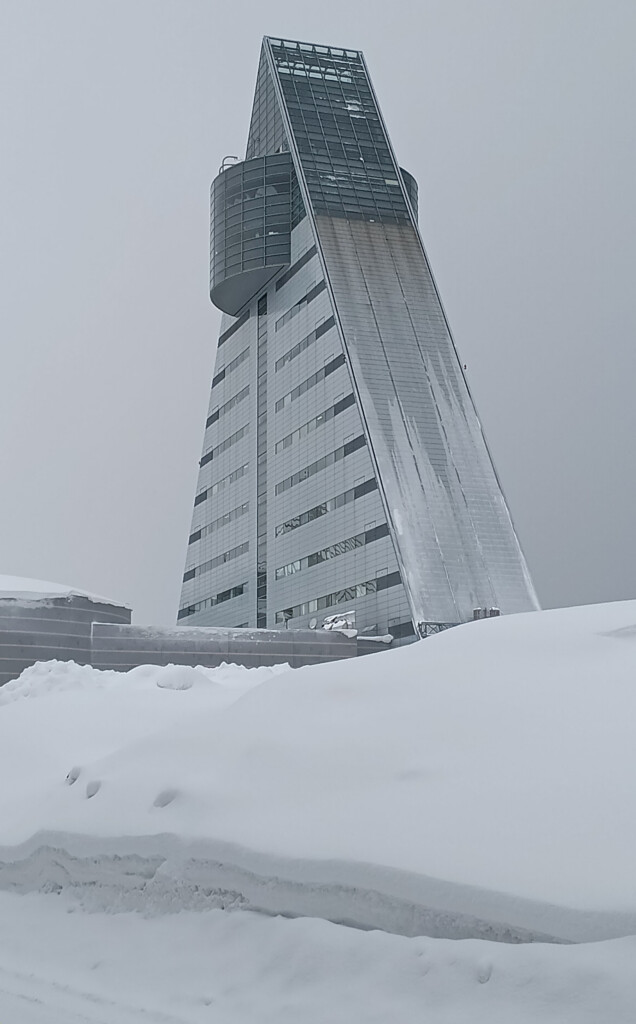
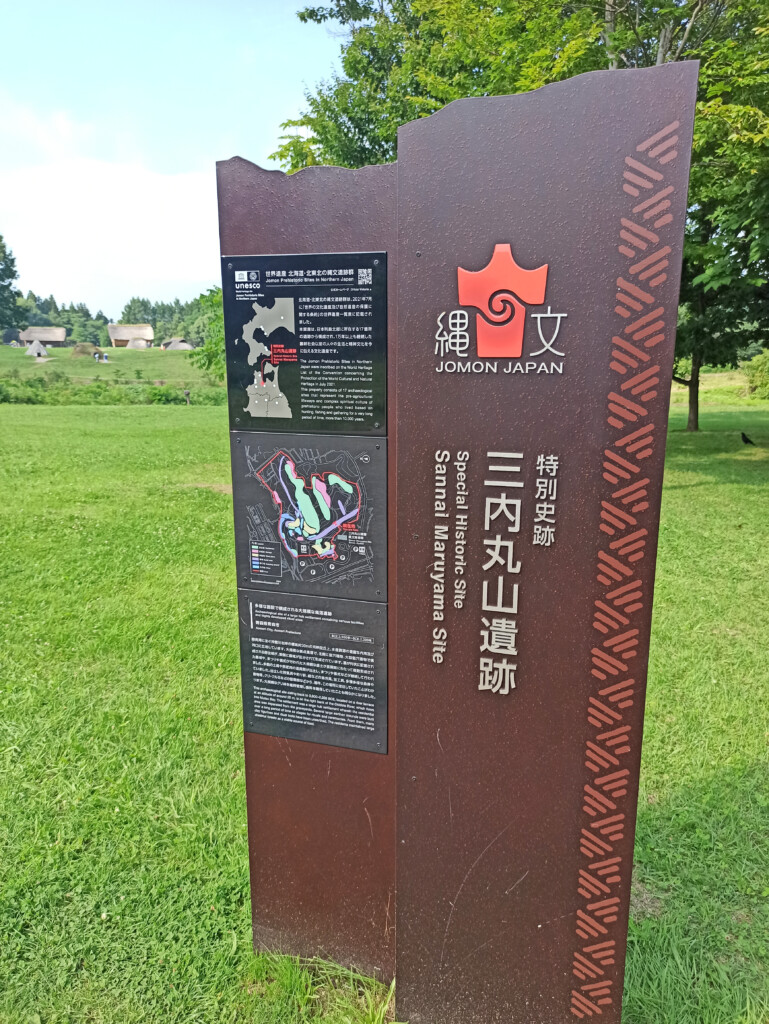
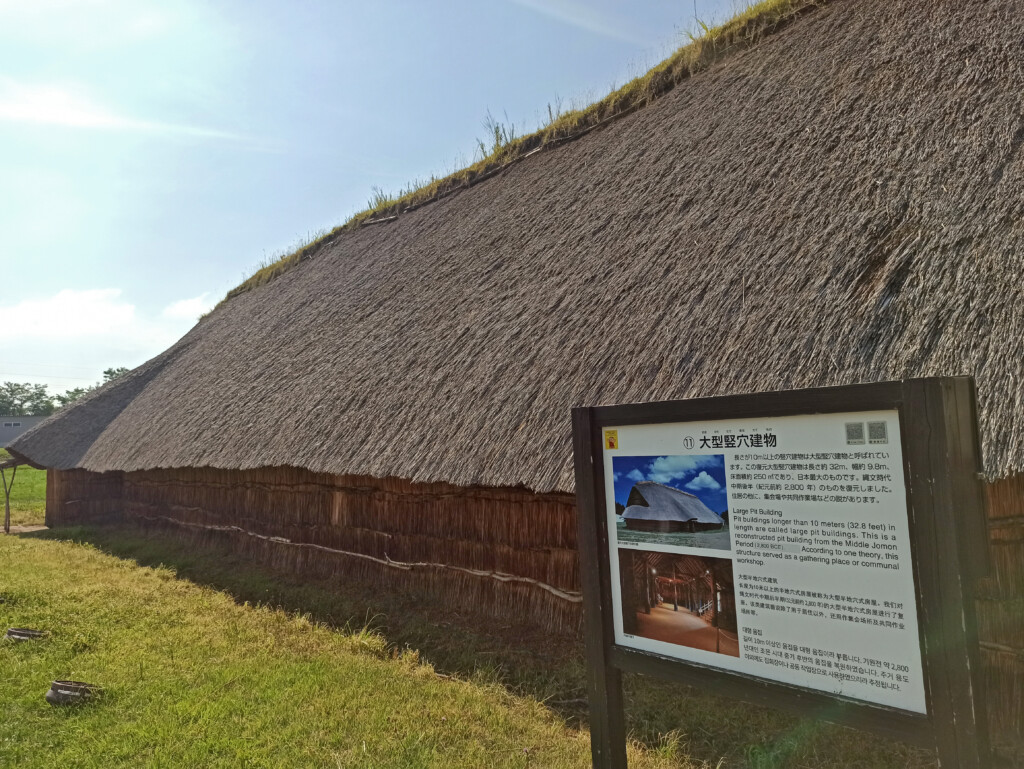
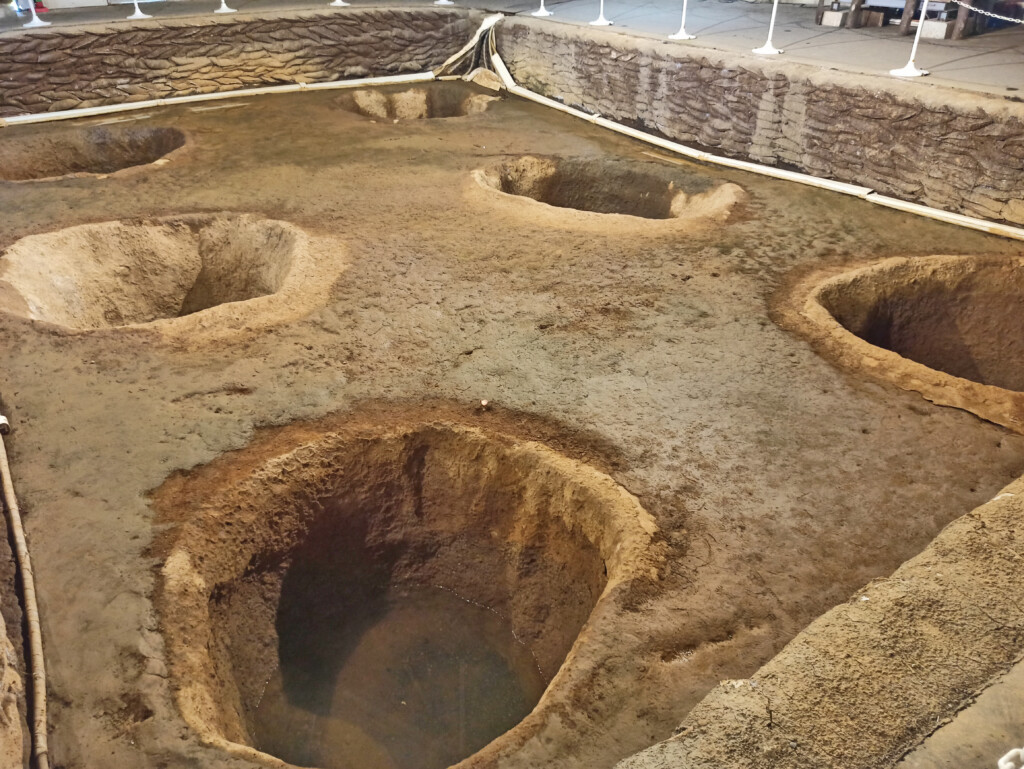
Barring heavy snow, I’d recommend heading out to Aomori city’s Sannai Maruyama, UNESCO heritage site that demonstrate how residents of the Middle Jomon period (~2500-1500 BCE) may have lived.
ReLabo Medical Spa & Stay
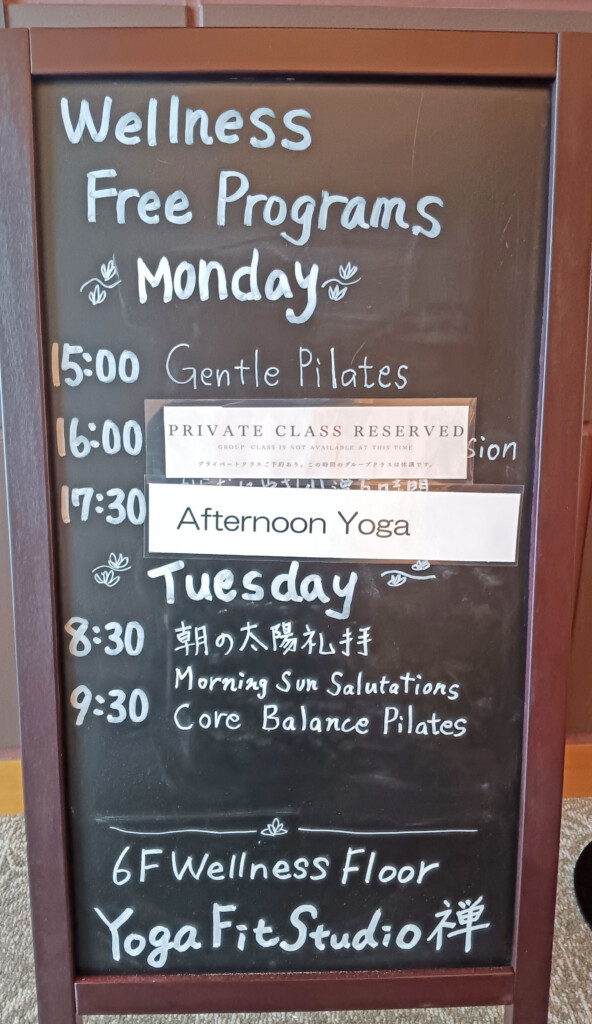
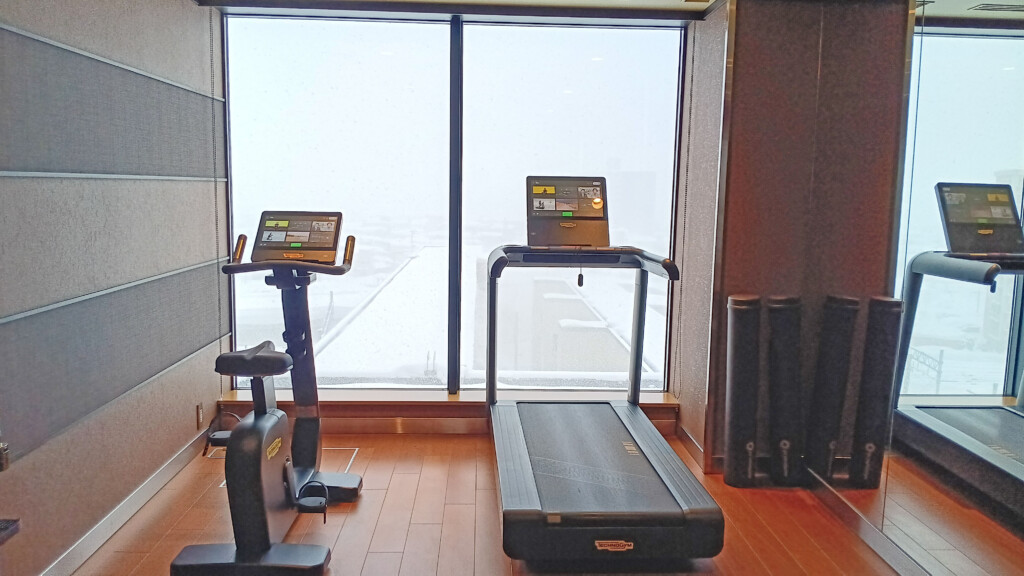
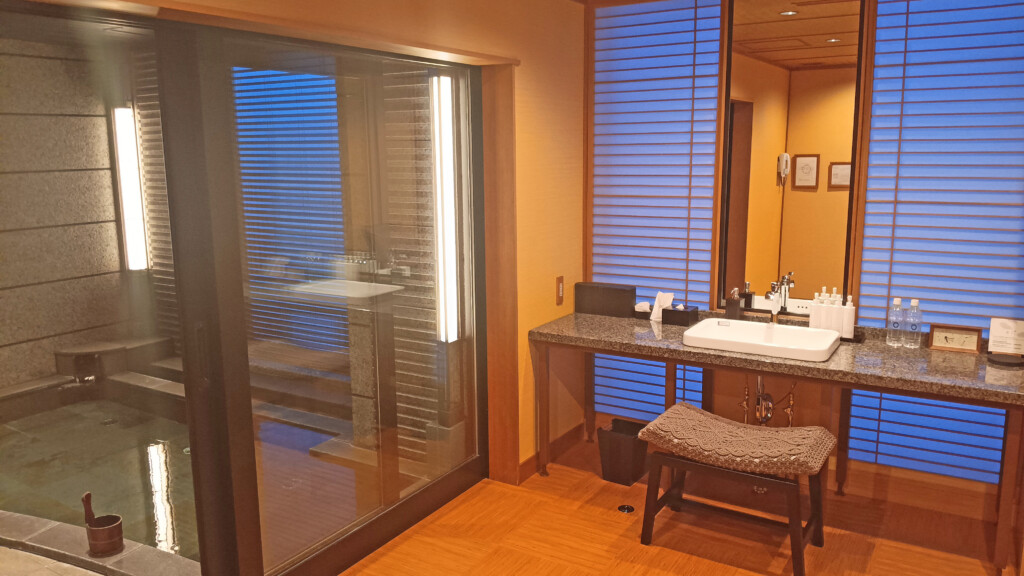
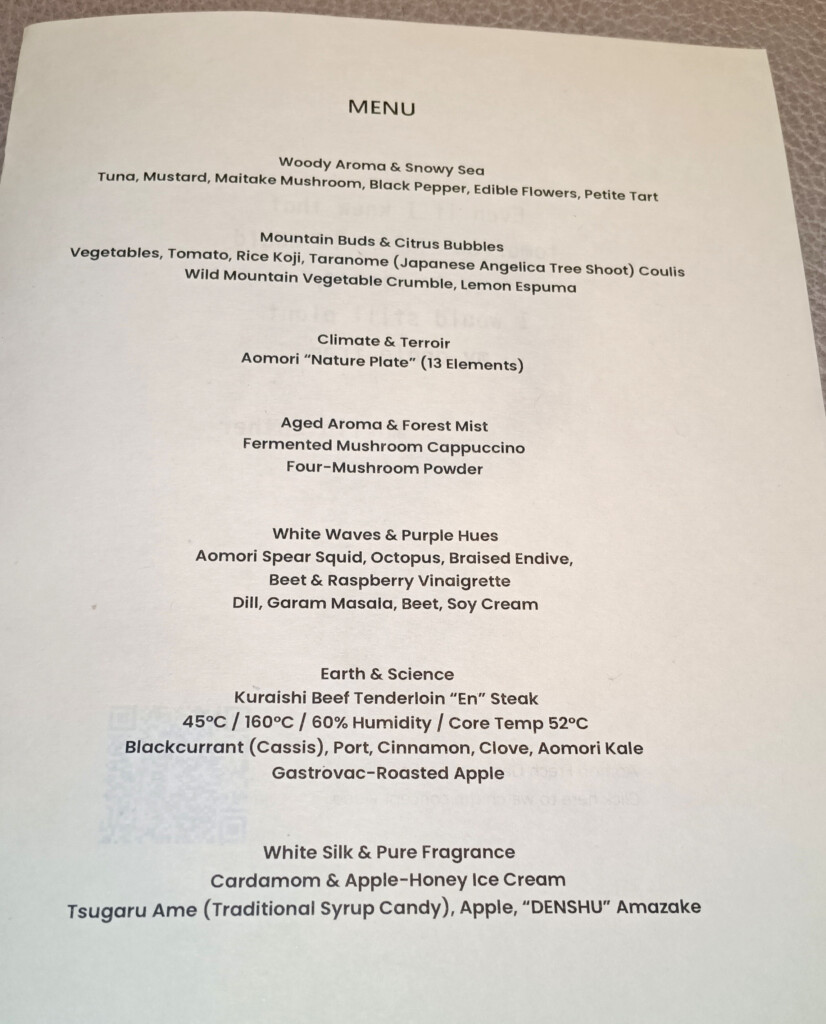
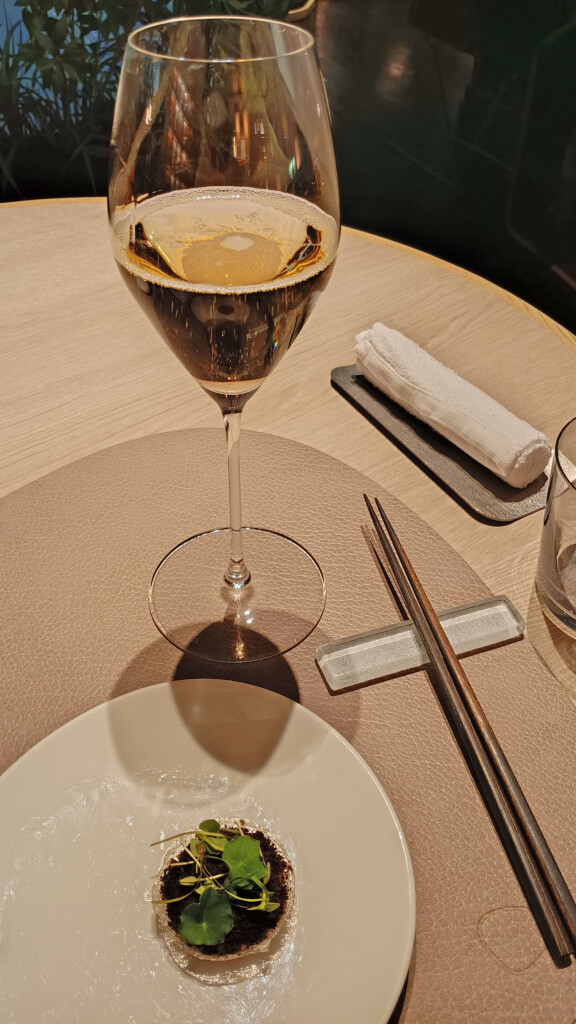
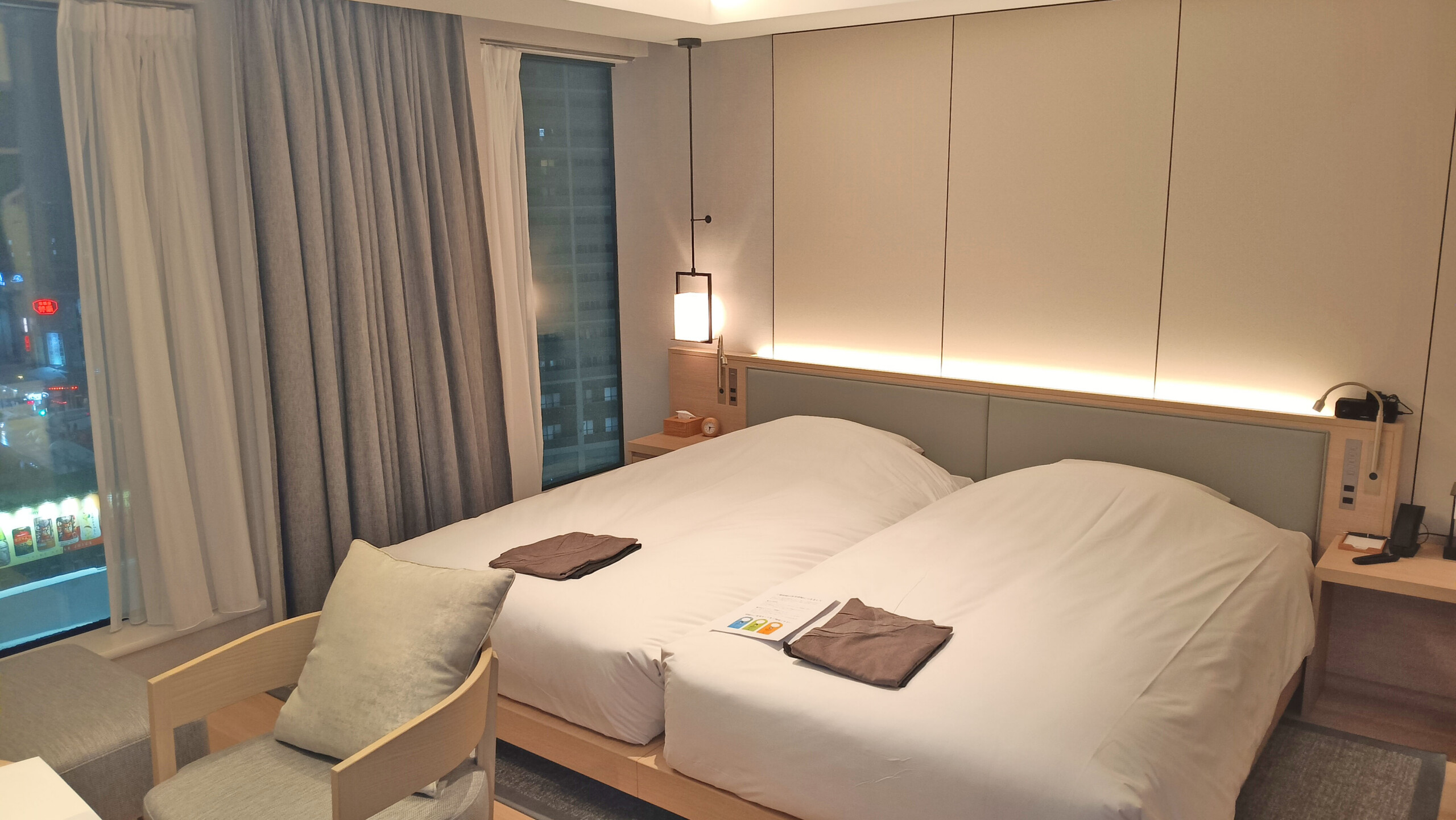
Having opened in July 2024, in an entirely new building adjacent to JR Aomori station, ReLabo Medical Spa & Stay isn’t a standard issue hotel. It’s a wellness center and spa with registered dietitians and yoga/pilates instructors on staff, too. Guests can work with staff to hash out a healthier diet, as well as plan out a day of in-house exercise routines…particularly useful when snowed in.
I’d like to give a shout out to Alicia and Oga san, two of the more pleasant staff members I met.
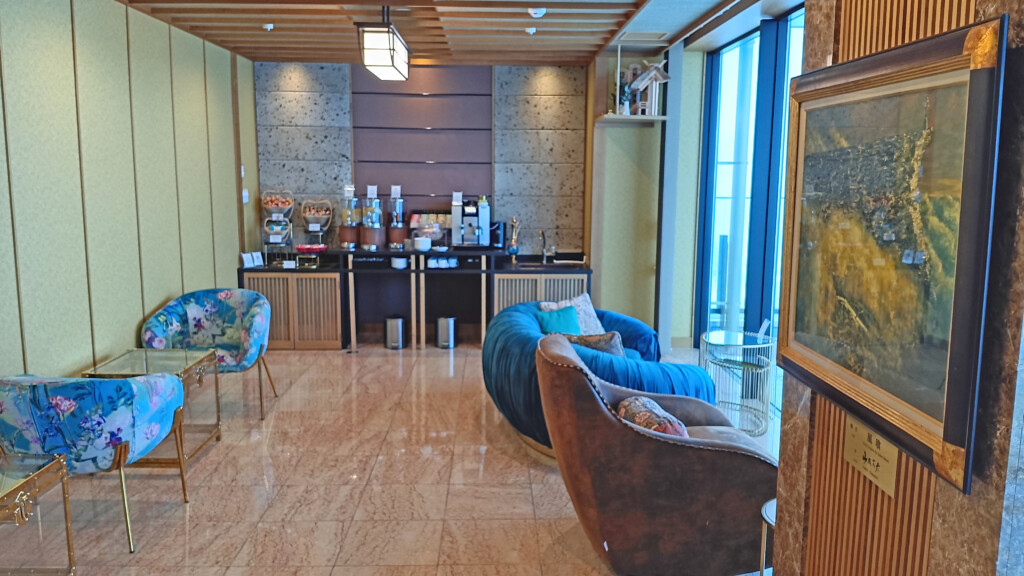
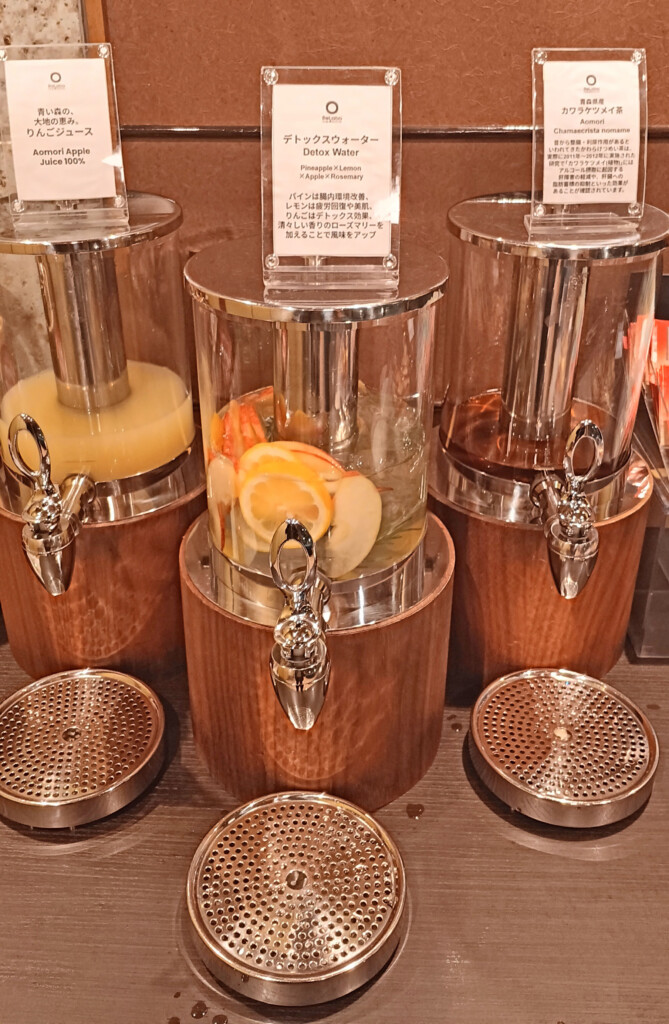
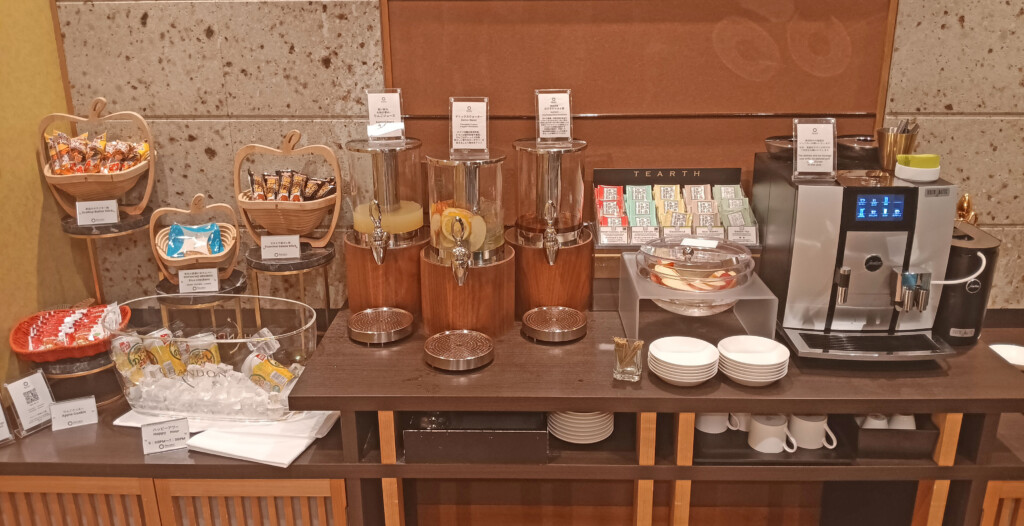
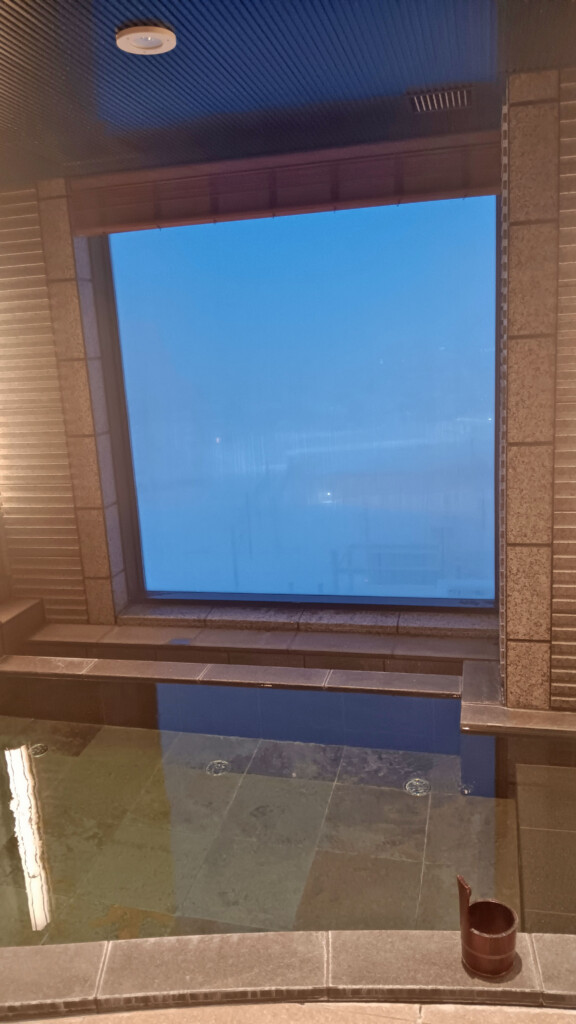
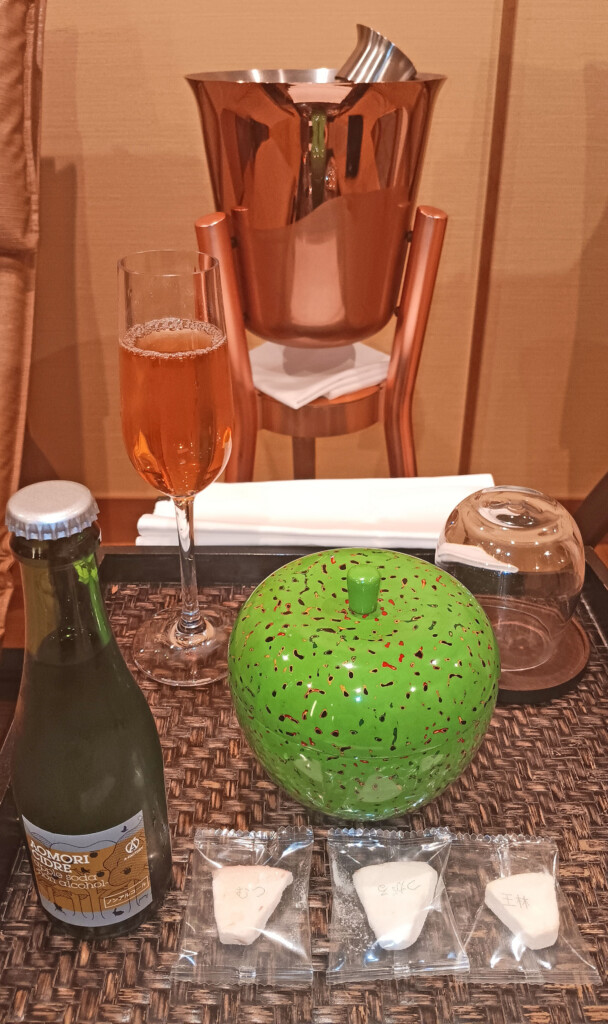
I enjoyed the food, especially as much of it was regionally sourced (hello, scallop frittata).
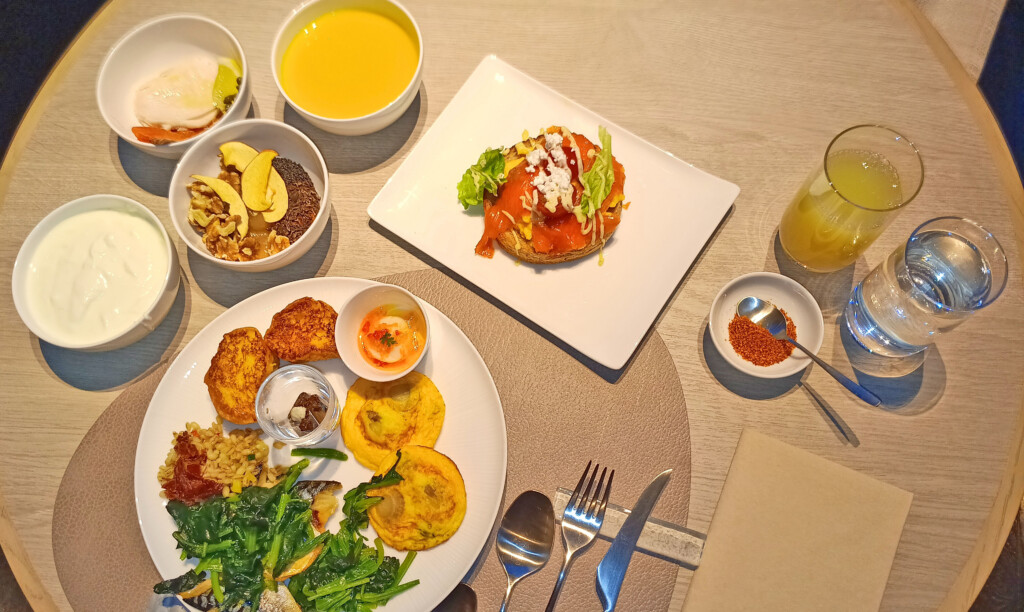
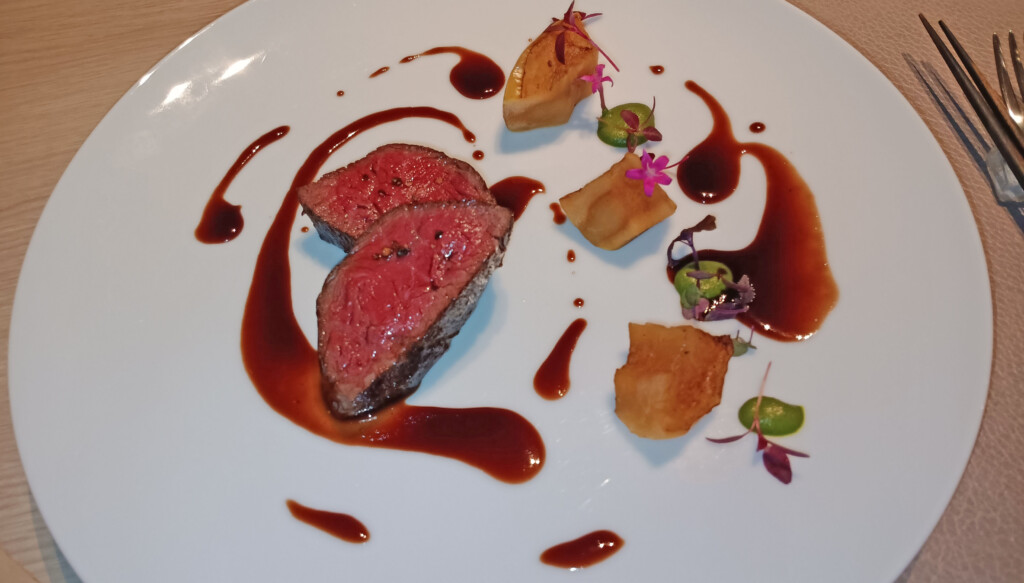
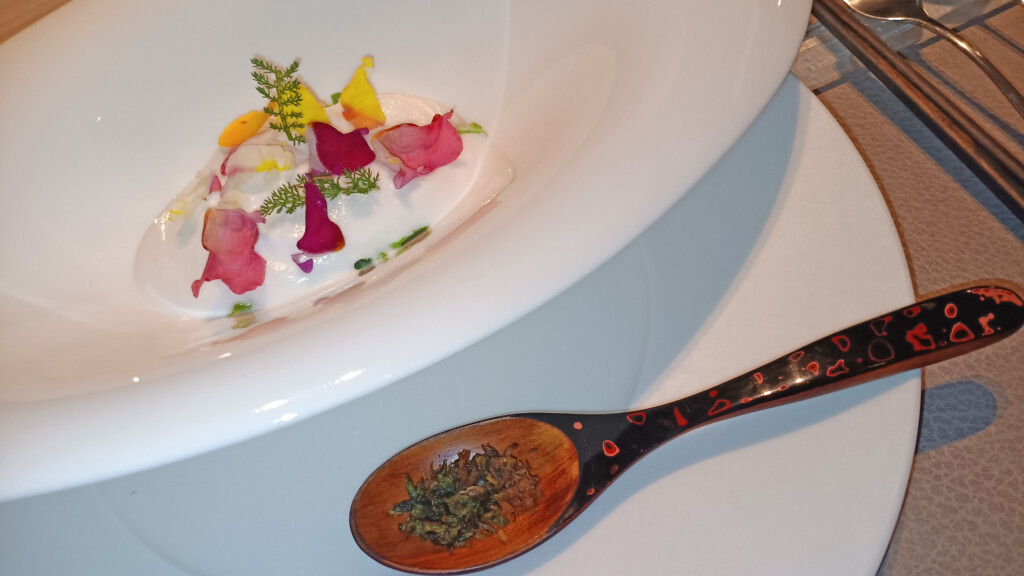
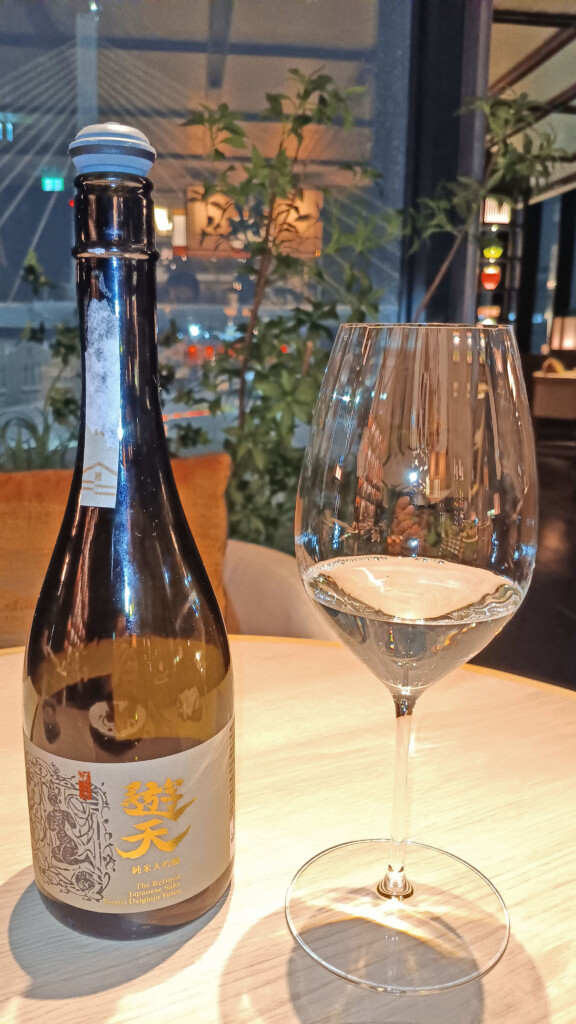
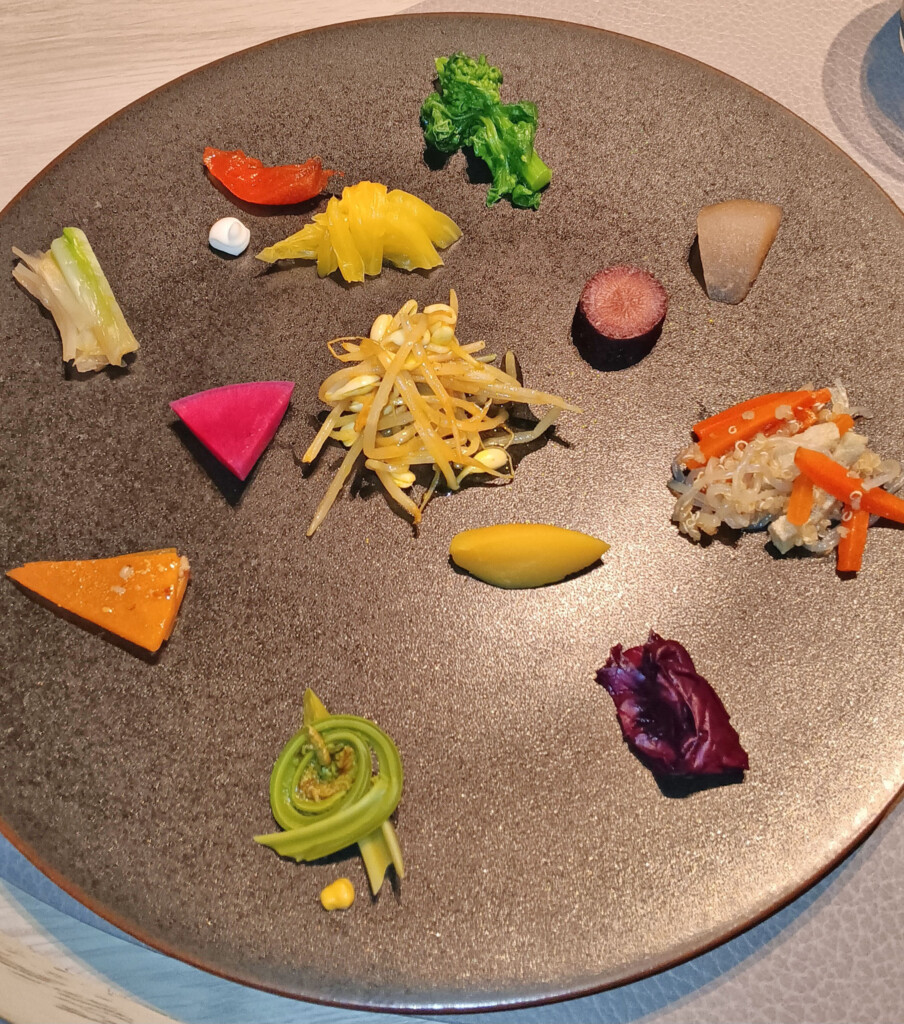
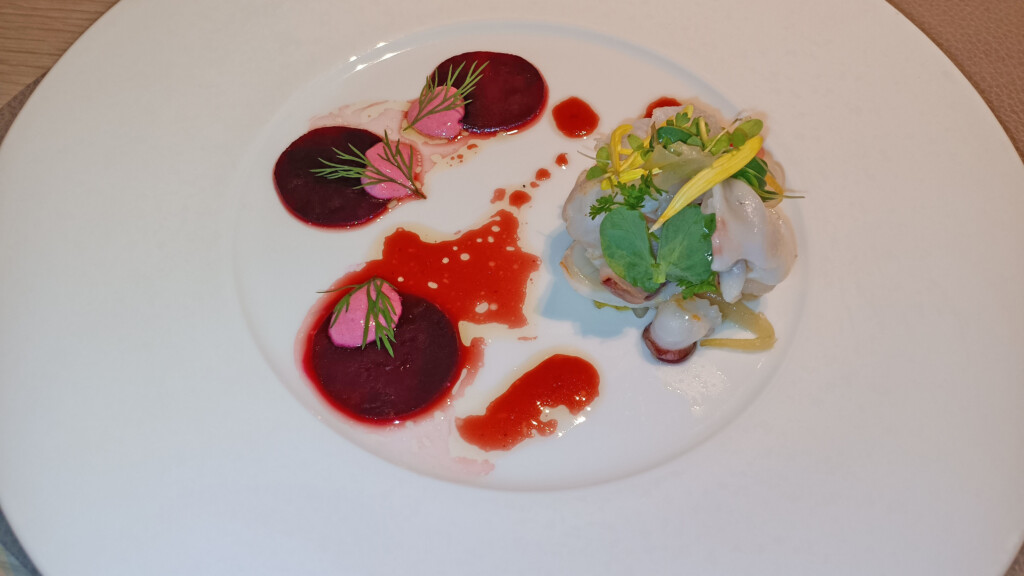
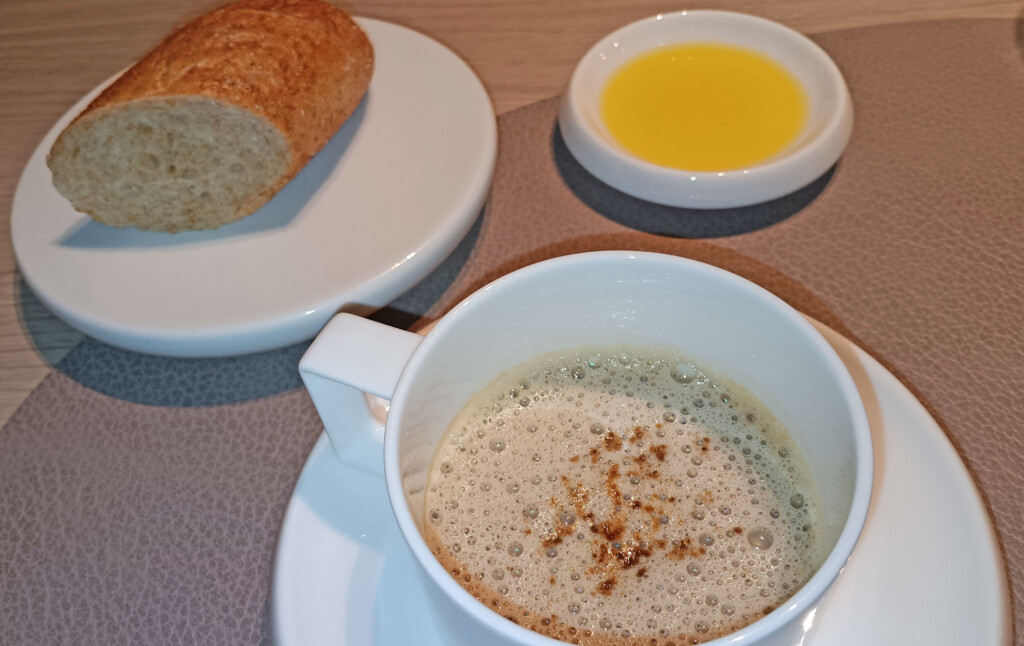
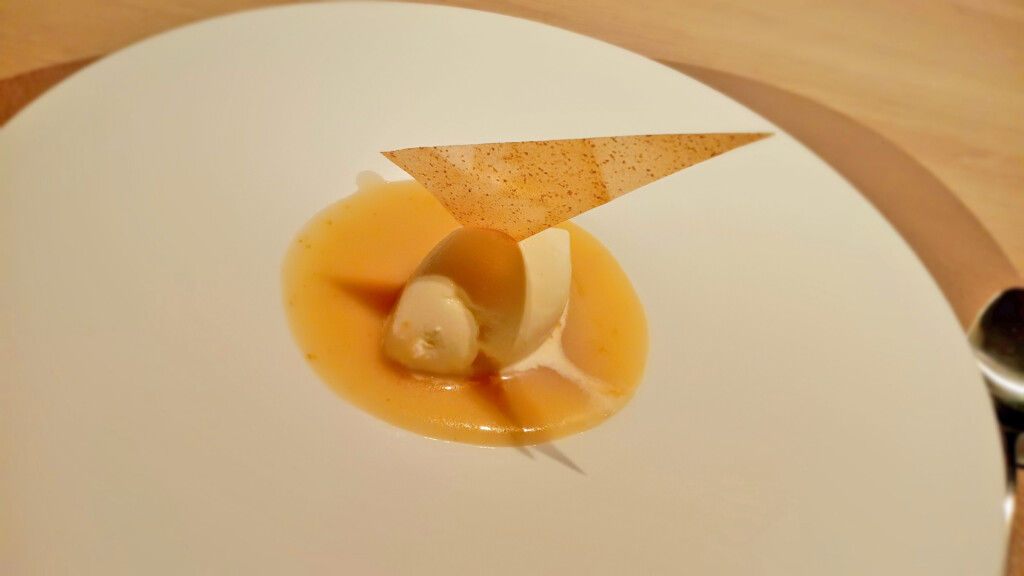
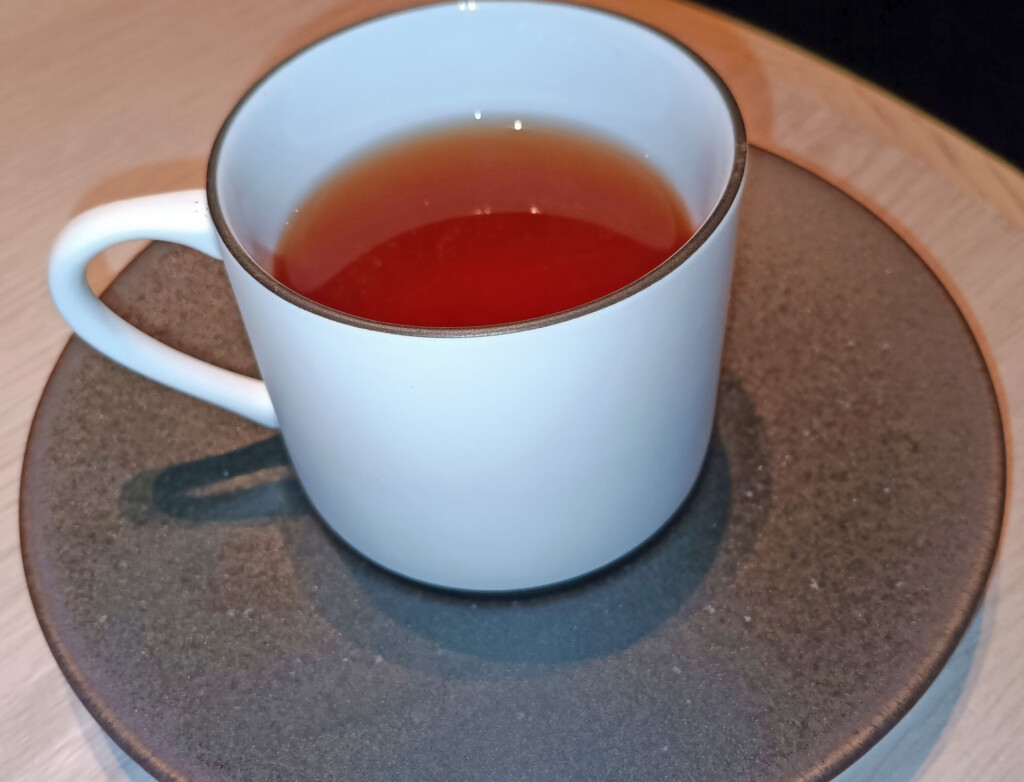
The air conditioner in my room didn’t work, but I wasn’t there much anyway.
Hachinohe, Aomori prefecture
Hachinohe is a port city, known for squid and mackerel, food markets, and a neat stretch of seashore called the Tanesashi Coast.
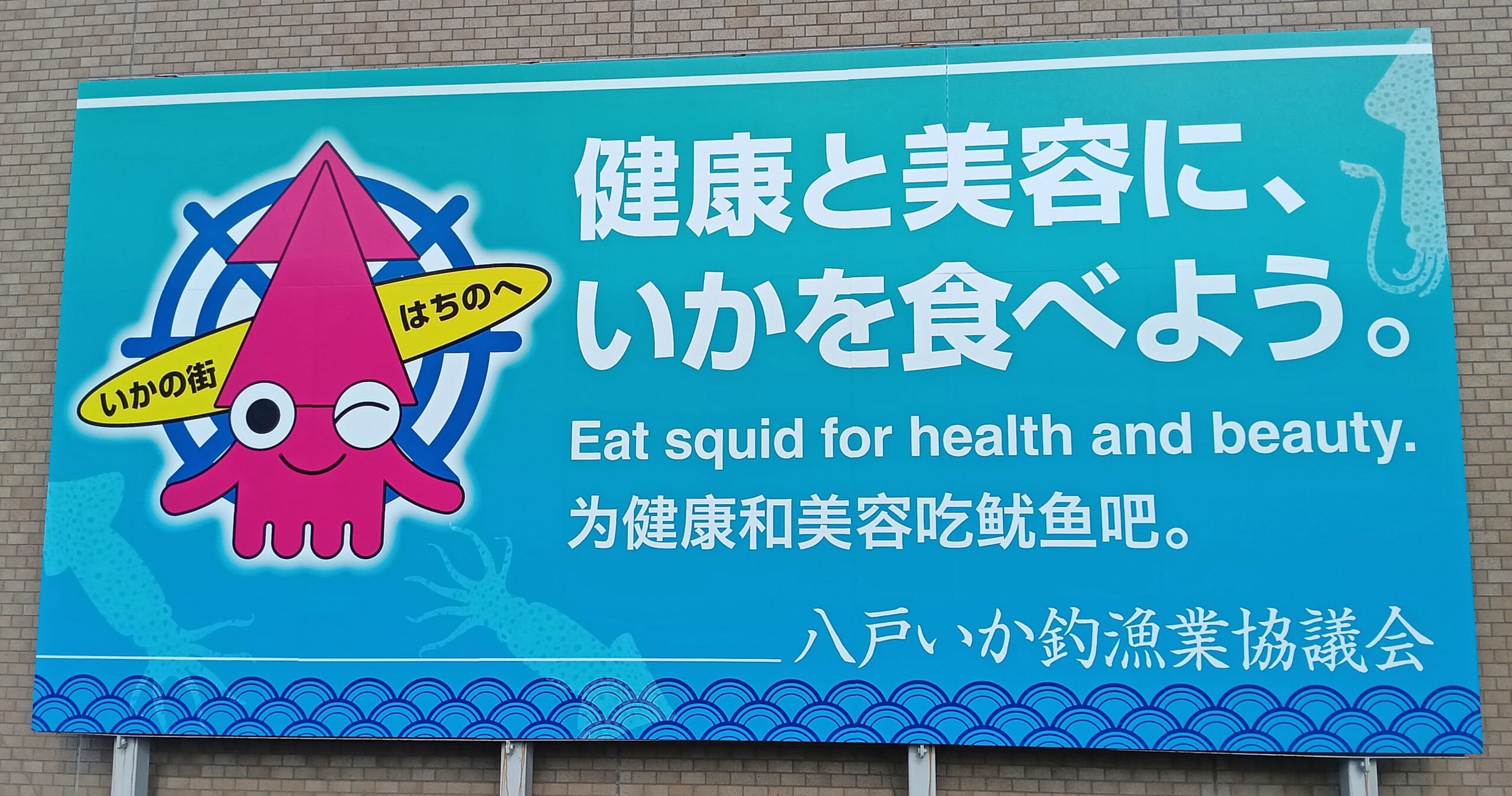
There are also some Jomon period historical attractions, which I couldn’t reach due to A) weather, and B) infrequent public transit. The two times I visited Hachinohe happened to be public holidays, so some markets were closed, as were other downtown spots.
In any event, my first stop was a train station called Shark.
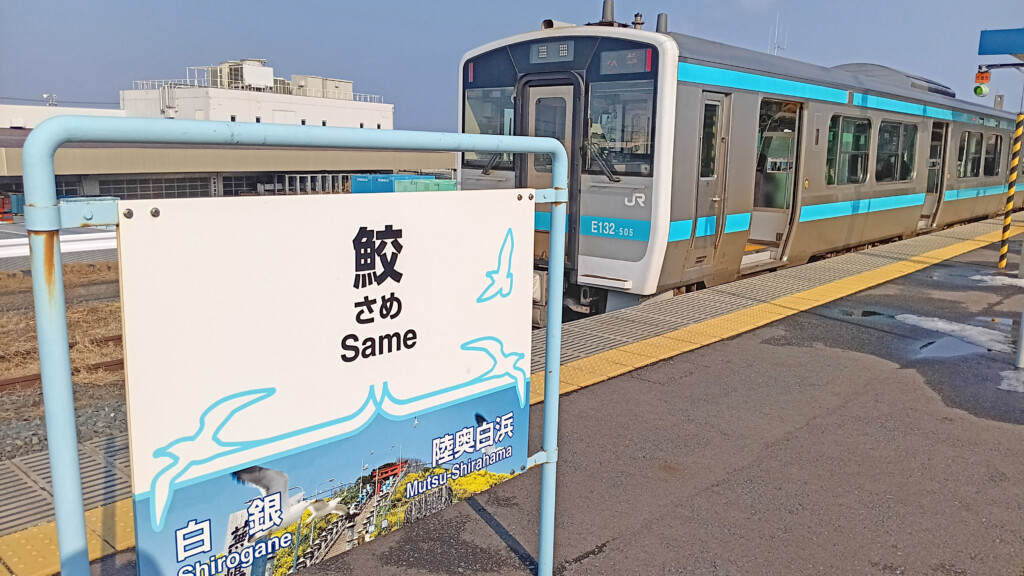
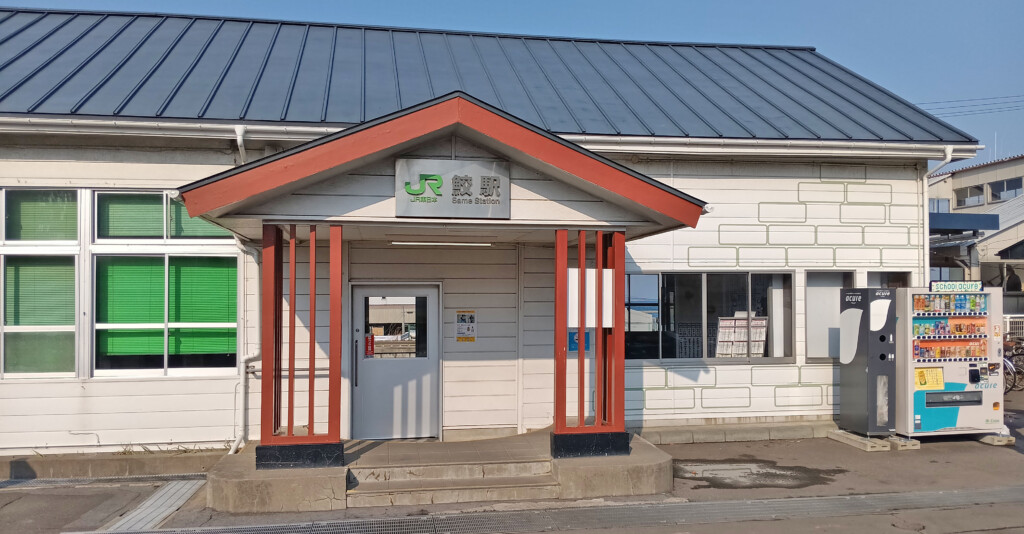
Well, the Japanese name was Same (鮫), which translates as shark, so there we are.
I went there not knowing it was a public holiday, so being near the fishing port it was quite empty.
Regardless, I found an exemplar of logistics in the form of the “Hachinohe mining company.”
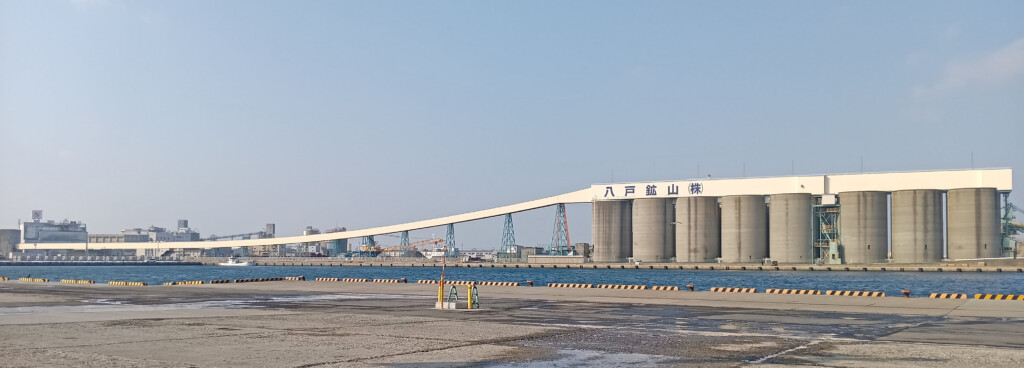
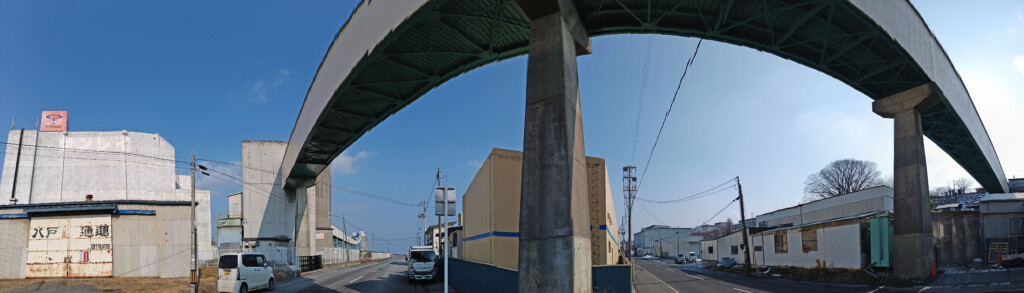
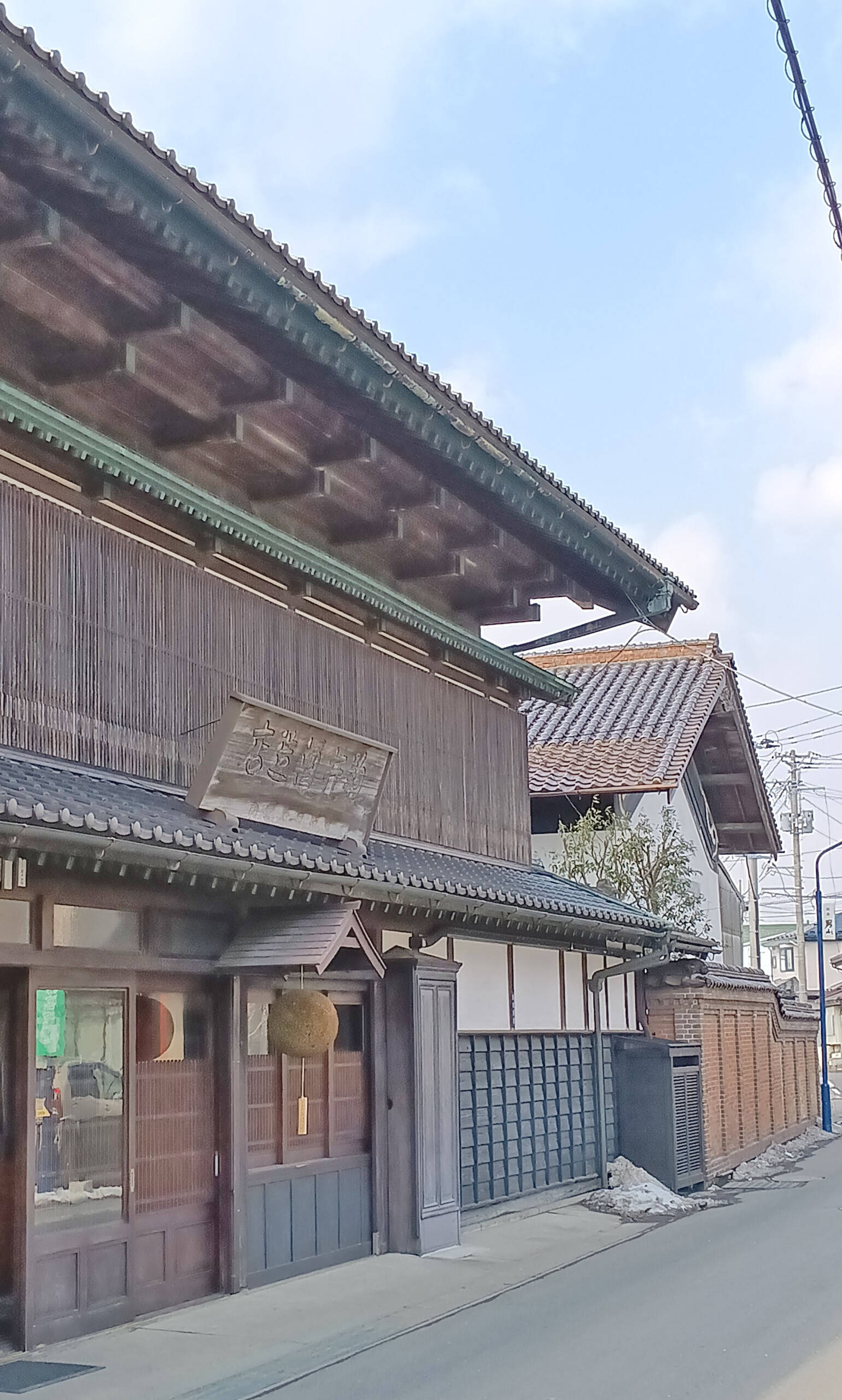
From there, I took a long walk past Mutsu Otokoyama nihonshu (what everyone else calls “sake”) brewery, up to the Nejō Castle ruins, then back to Hachinohe train station, where I spent the night at Hotel Mets Hachinohe. The “Mets” brand is the more casual cousin of the Metropolitan hotel brand, with both operated by JR East.
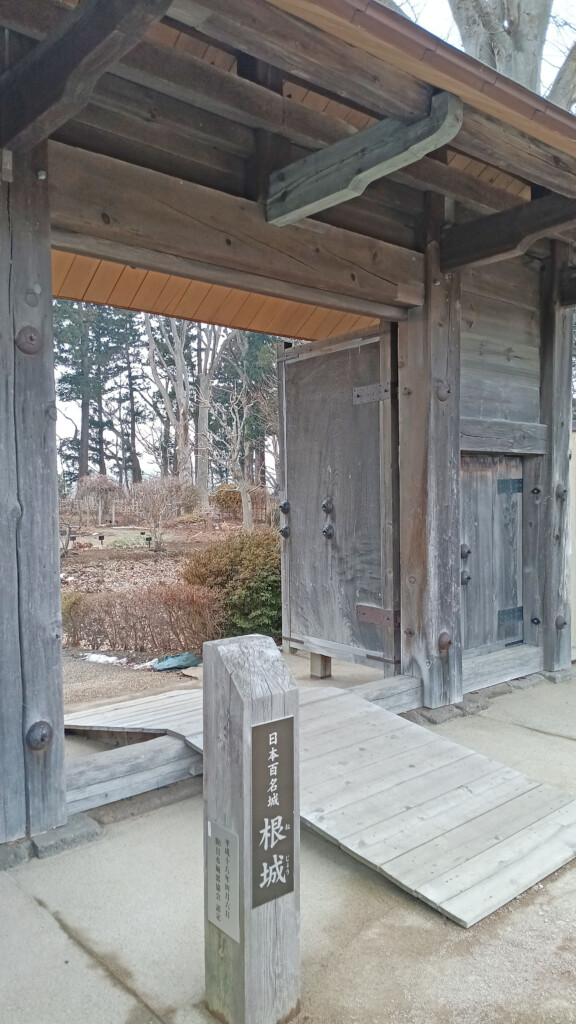
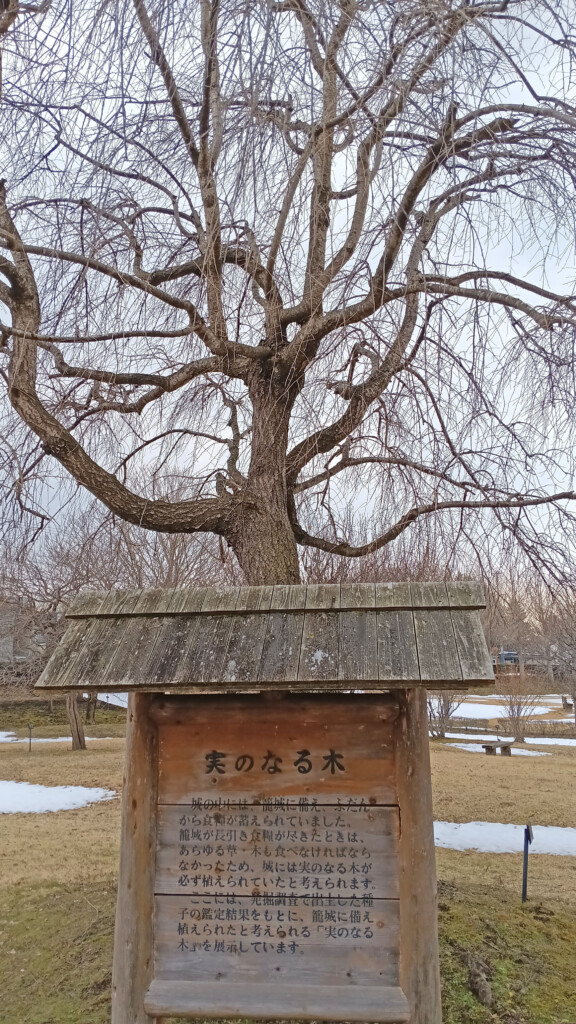
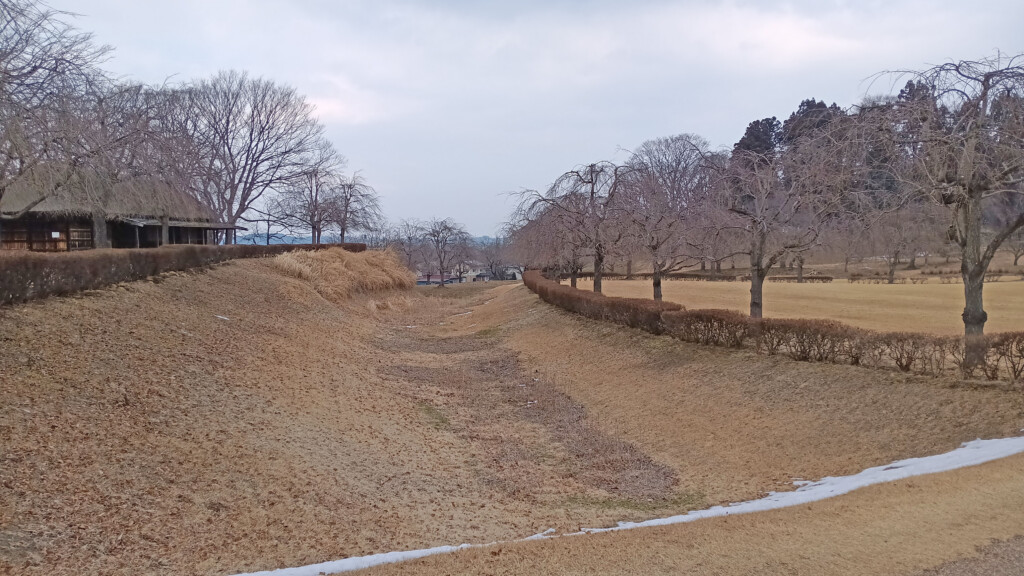
Hotel Mets Hachinohe
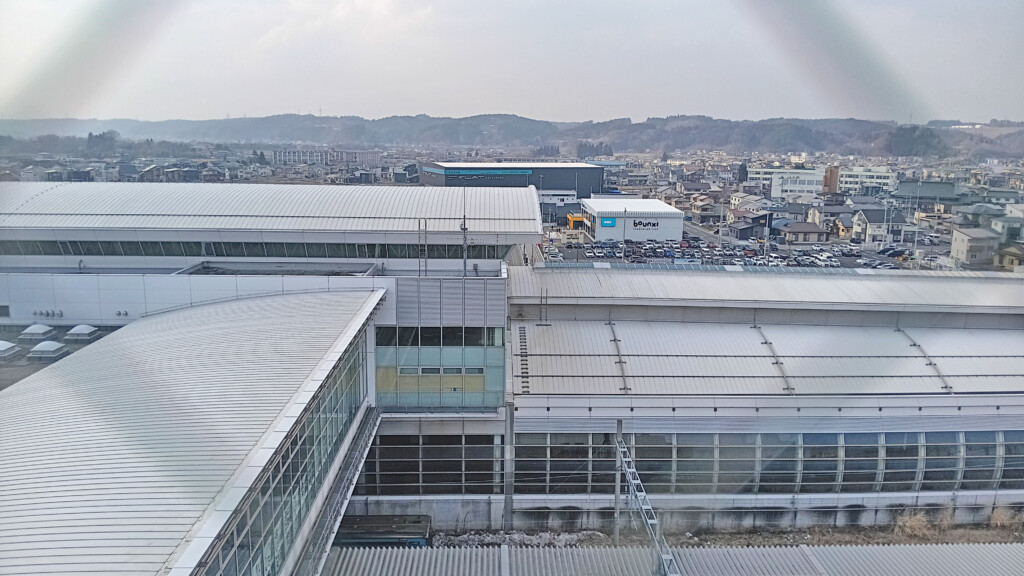
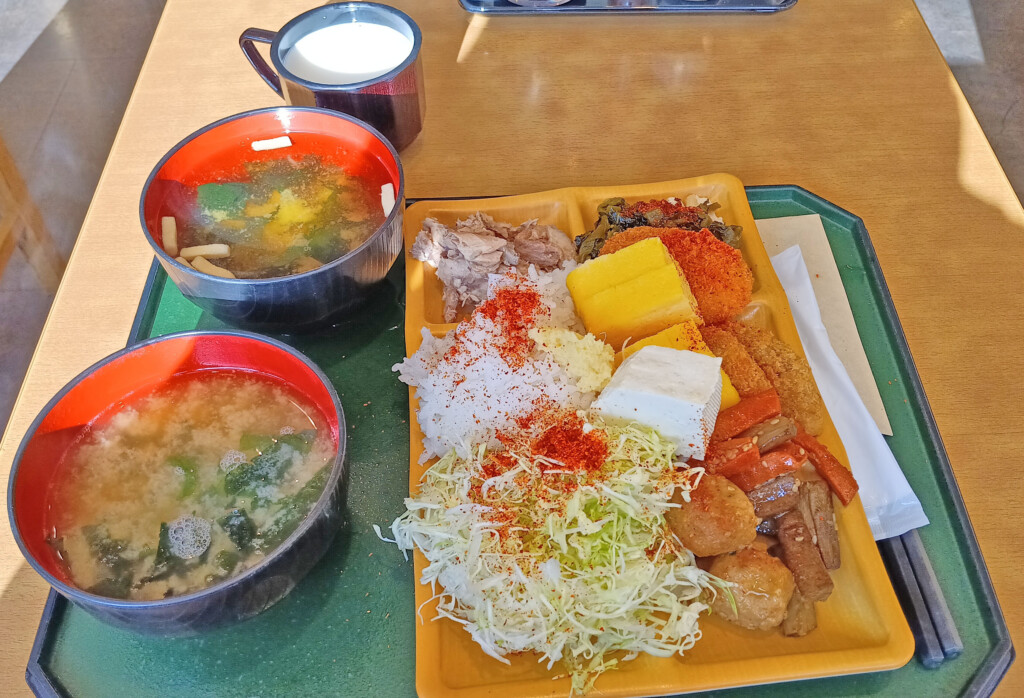
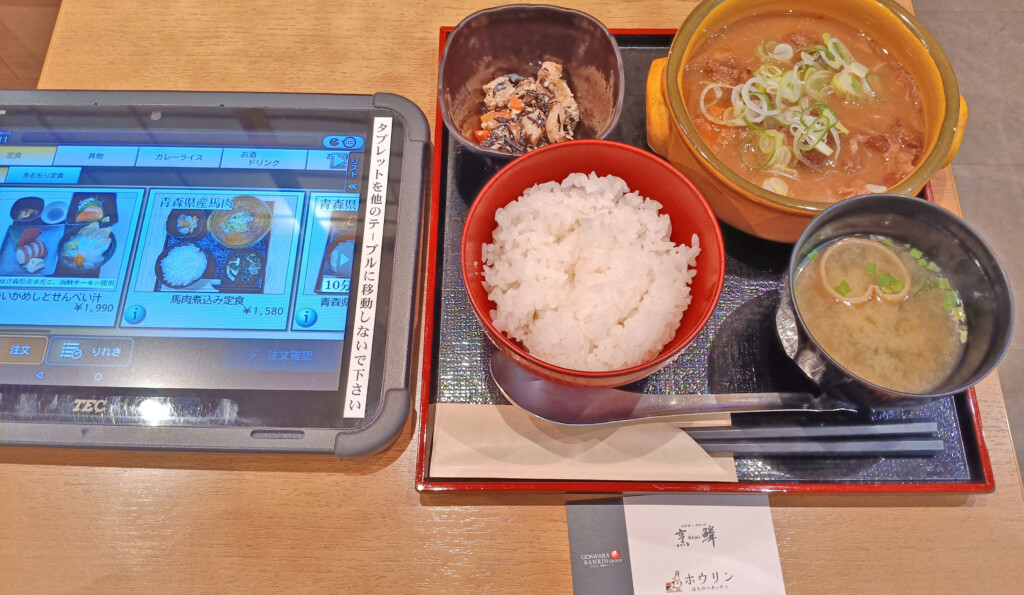
I think my best night was at Hotel Mets Hachinohe. The hotel was right inside of JR Hachinohe station, the staff were good, the room really quiet and comfortable, and the food, specifically the horse stew, local and fun.
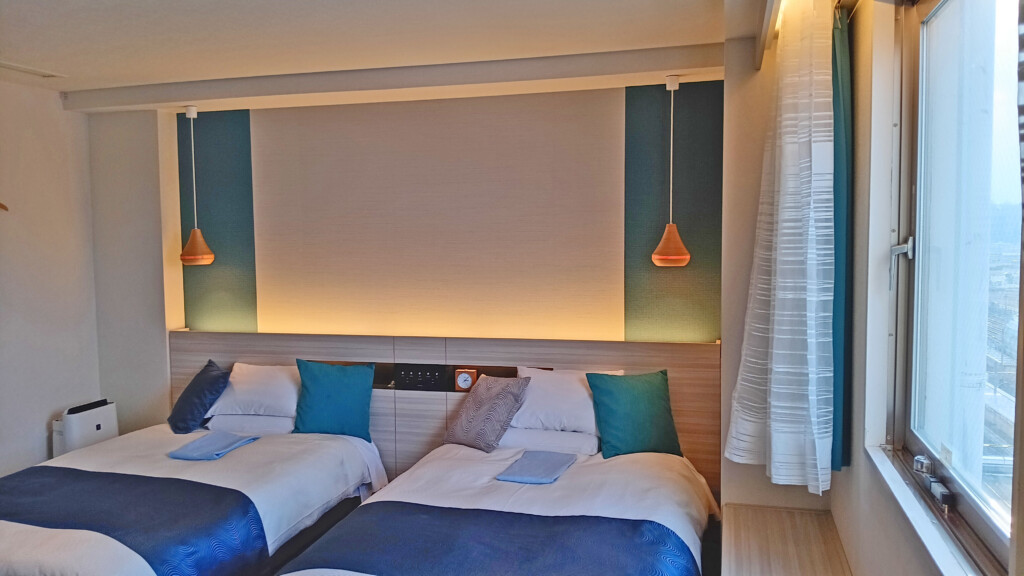
Sendai, Miyagi prefecture
Founded in the year 1600 by a samurai named Date Masamune — you will see references to him all over Sendai and Miyagi prefecture — Sendai is by far the largest city between Tokyo and Sapporo (on Hokkaido island). In fact, it has over one million residents, which makes Sendai almost four times larger than the other four East Japan golden route cities.
Sendai is also heavy on trees, with Japanese zelkova and cherry blossom trees being the most popular.
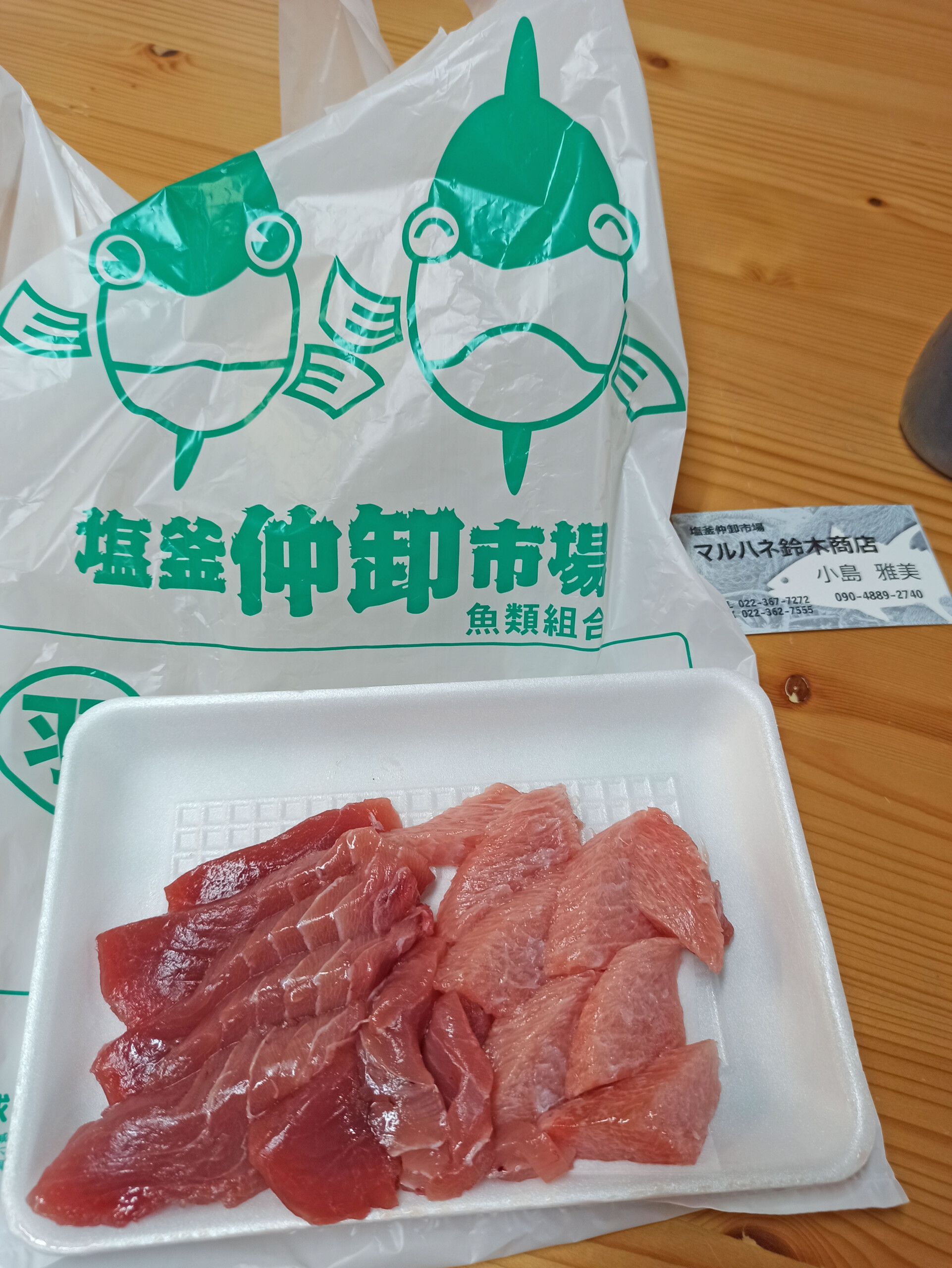
For foodies, look out for zunda mochi, sweetened mash soy beans served atop mochi, and beef tongue. Shiogama fish market, a short train ride from JR Sendai station, might also have some excellent maguro (tuna) in stock, depending on the season.
Snow wasn’t an issue, but I had dessert on my mind. What that means is I will borrow photos from my first trip (hence, green leaves will abound), and use a few from this time.
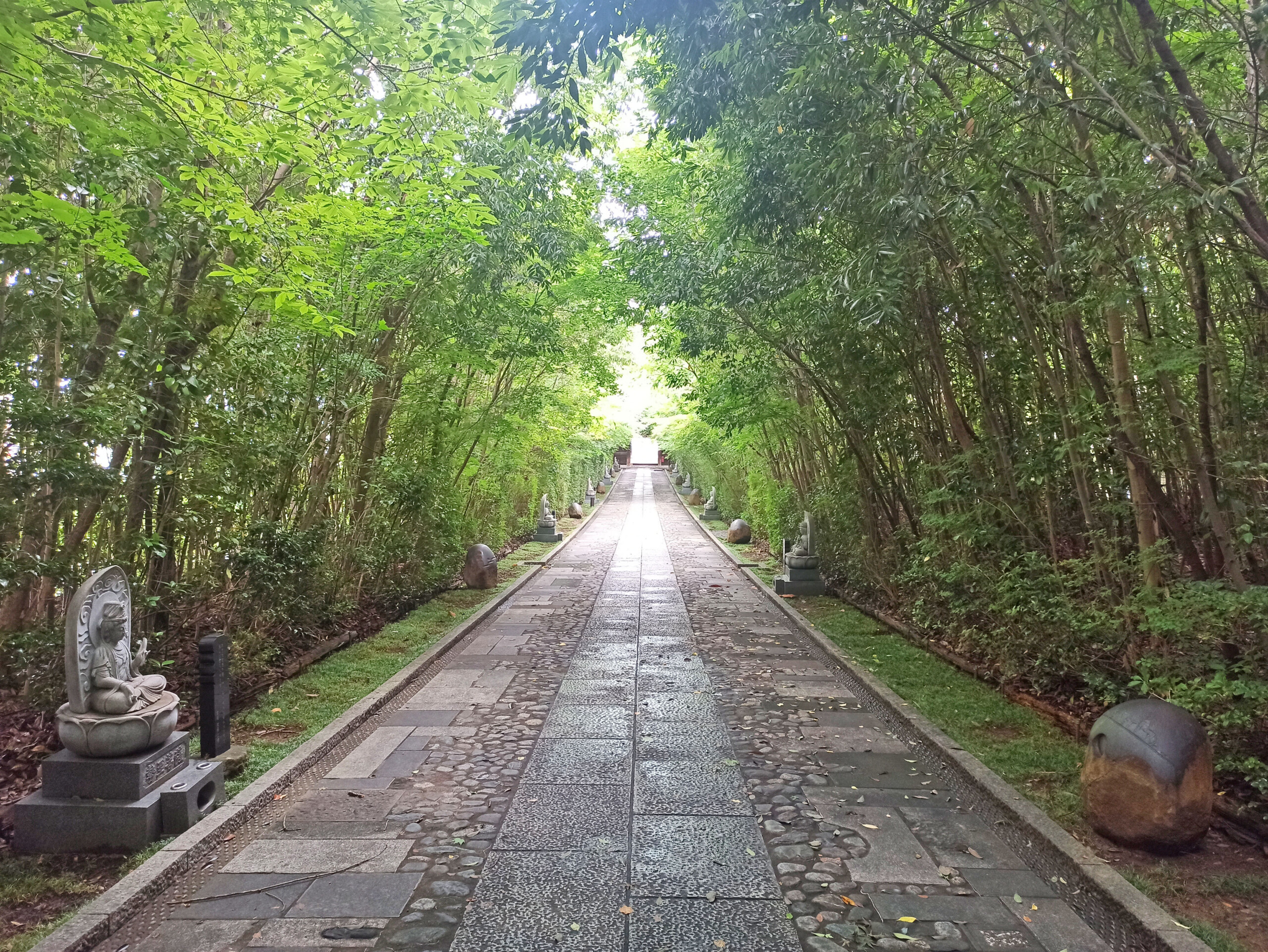
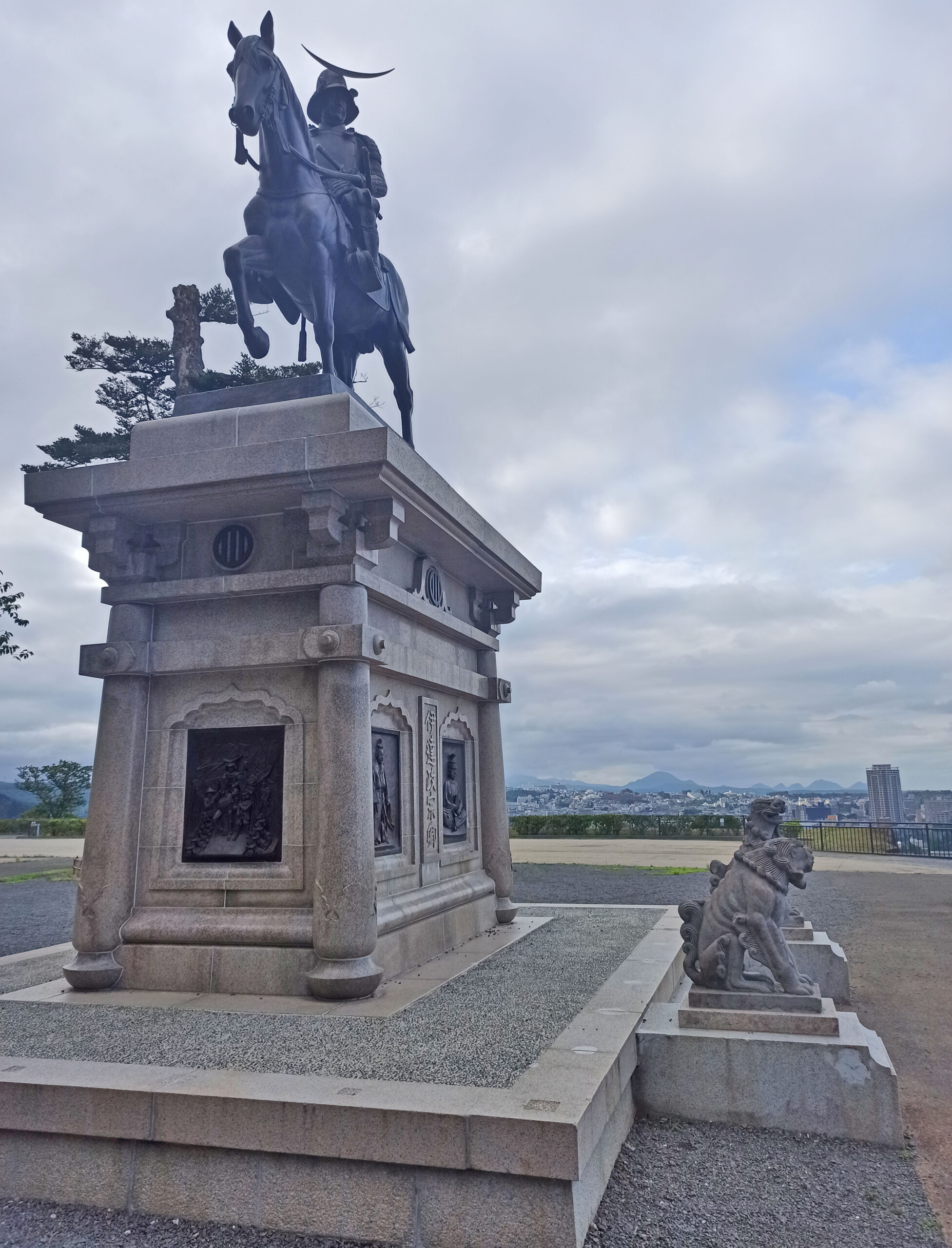
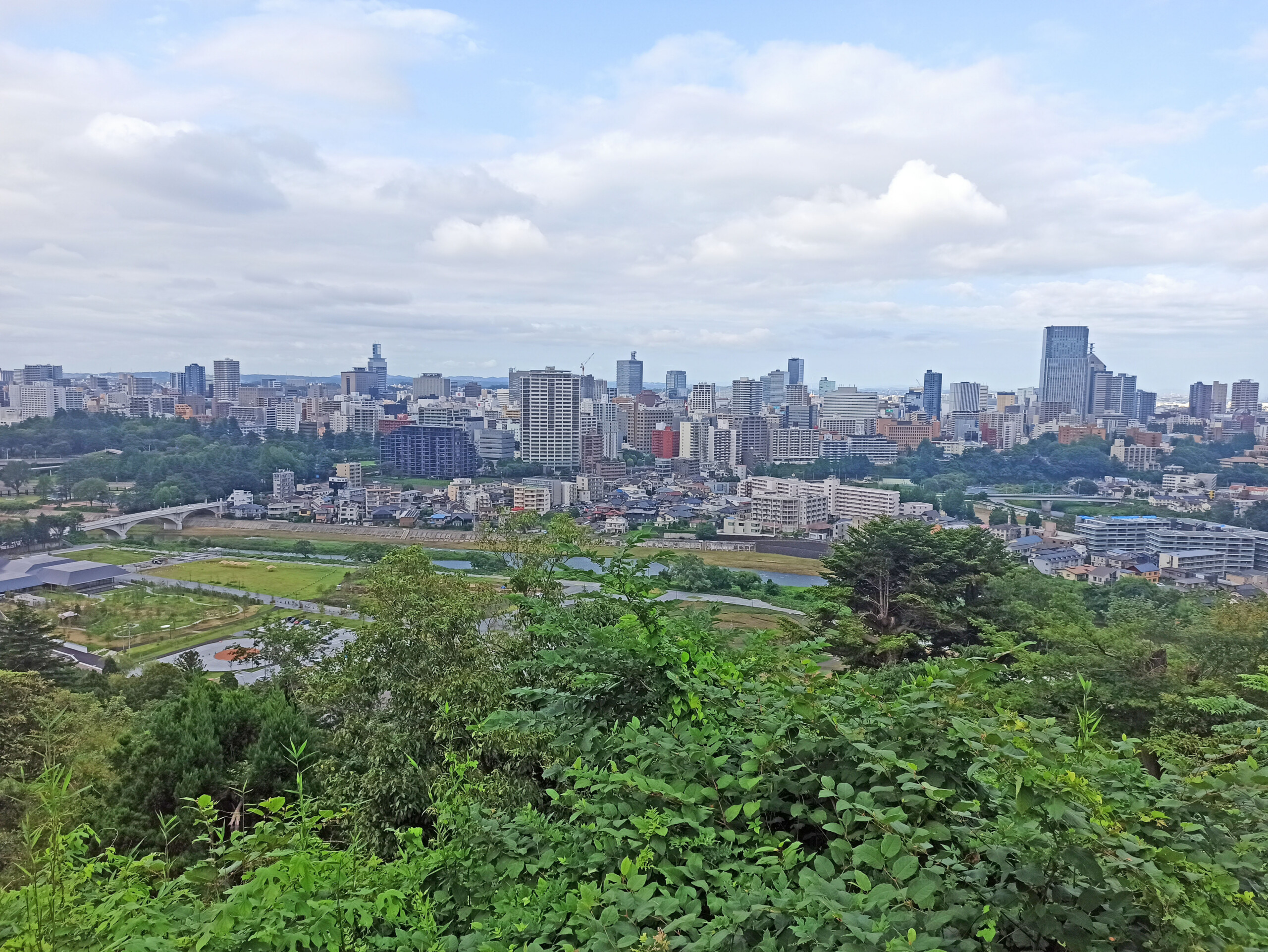
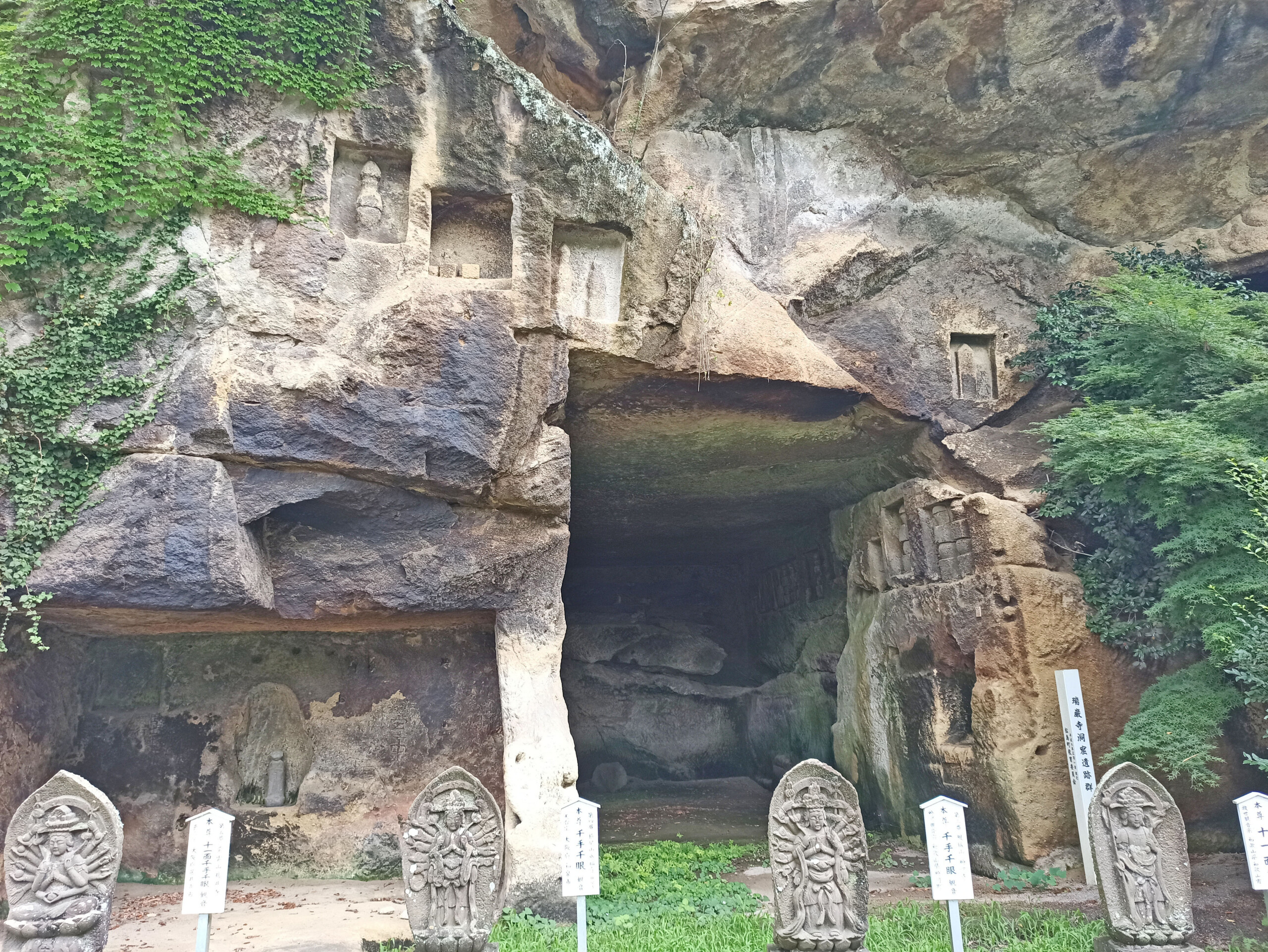
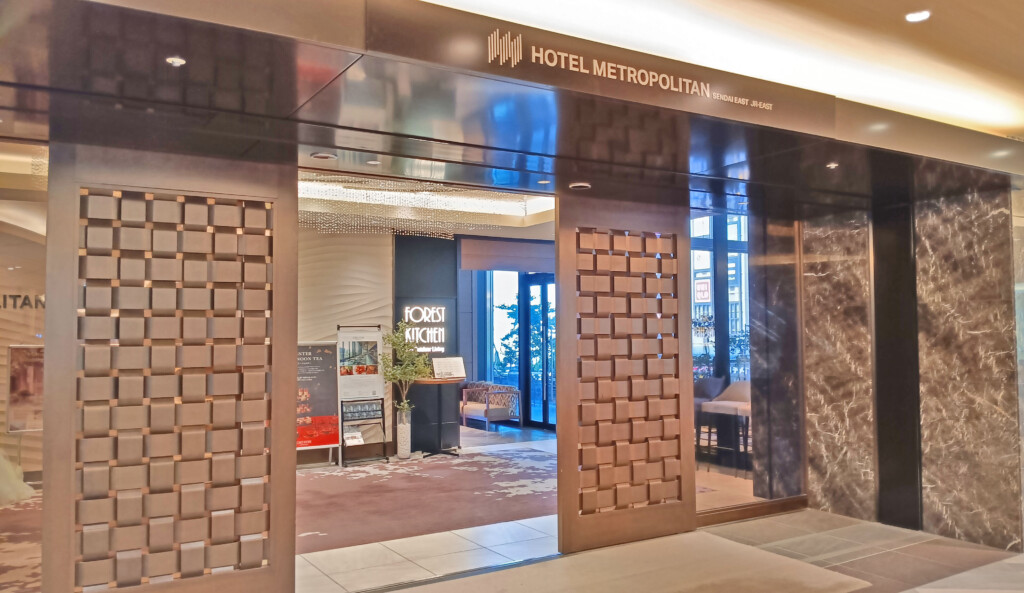
Hotel Metropolitan Sendai East
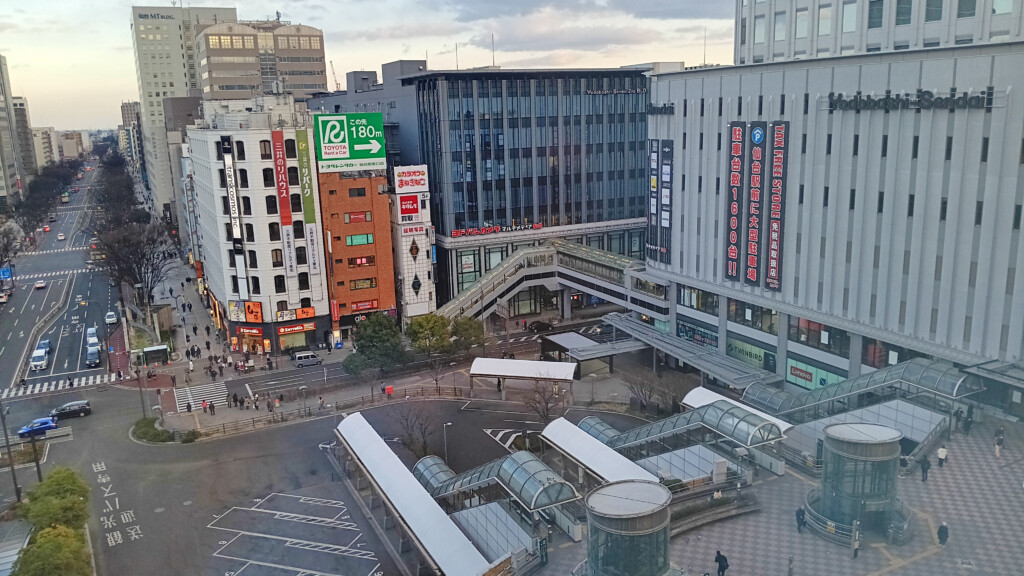
In the entire Tohoku region, JR Sendai station is undoubtedly its busiest transportation hub. That’s why the train station is a heaving shopping and dining complex, too. In other words, if you’re staying at the Hotel Metropolitan Sendai East, you won’t be bereft of choice.
On the other hand, the hotel’s location, just a short indoor walk from the station, makes it a hotspot for leisure and business guests. Indeed, both when I went to leave bags before check-in, and during check-in, it took some time to reach the front desk.
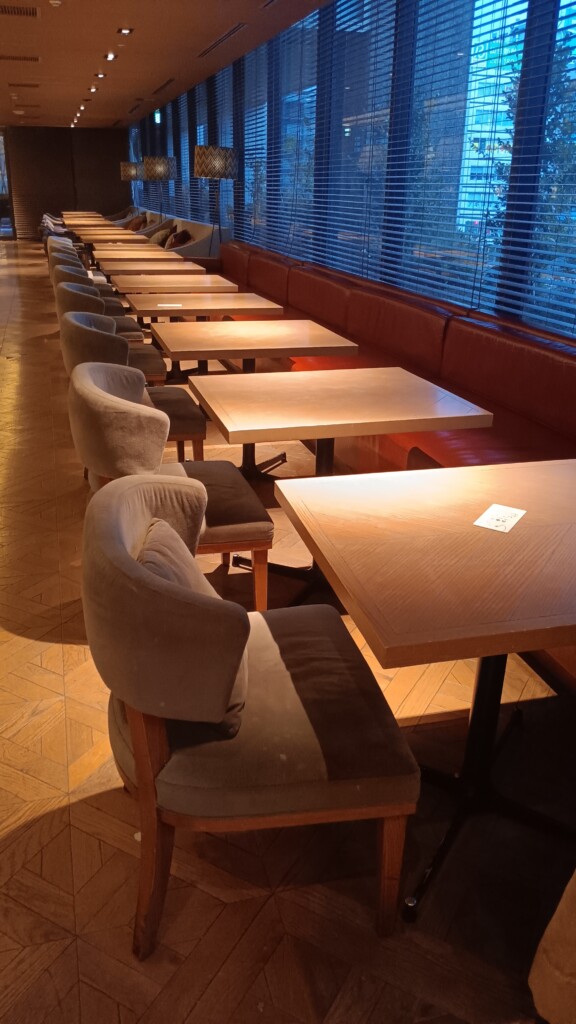
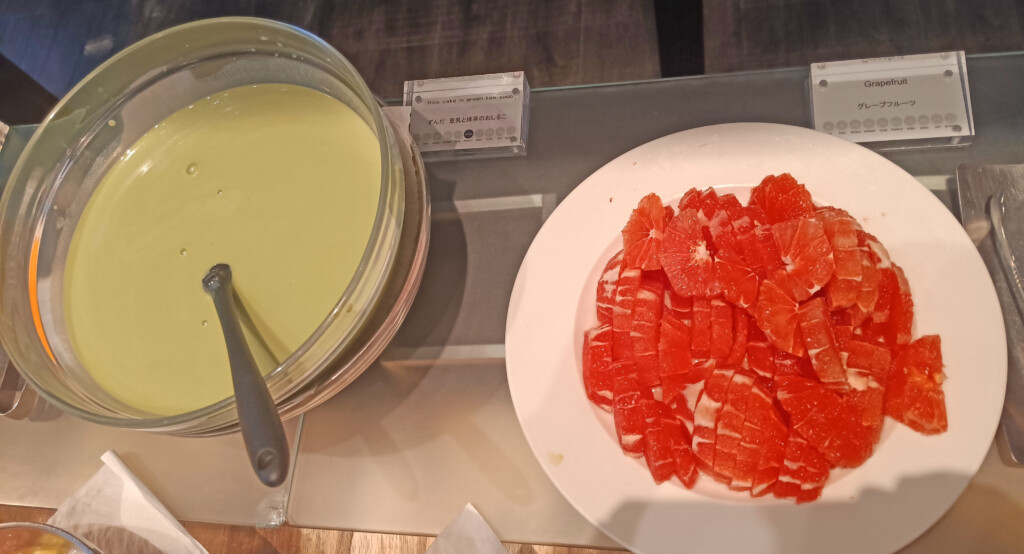
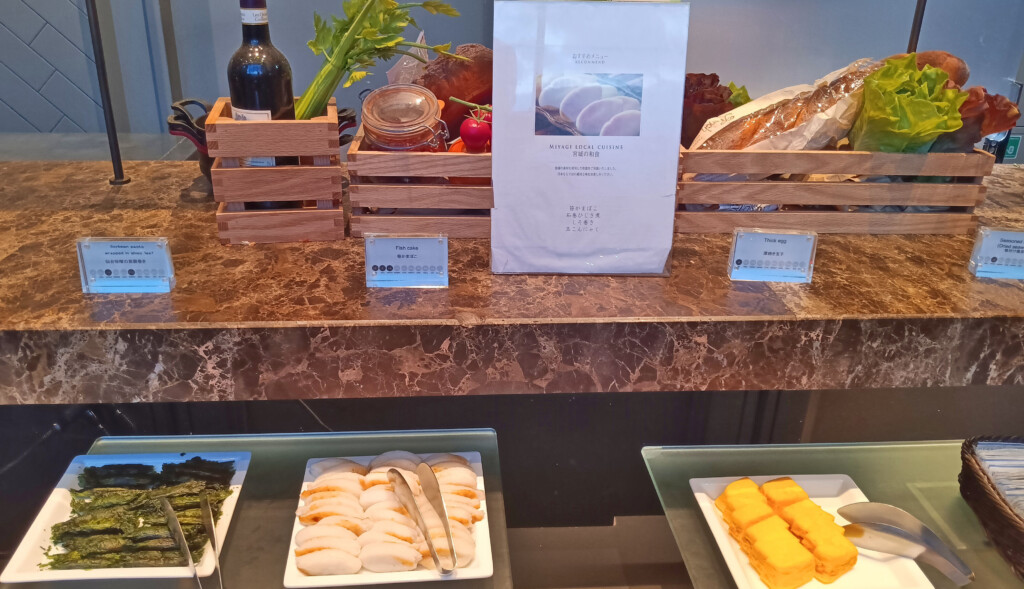
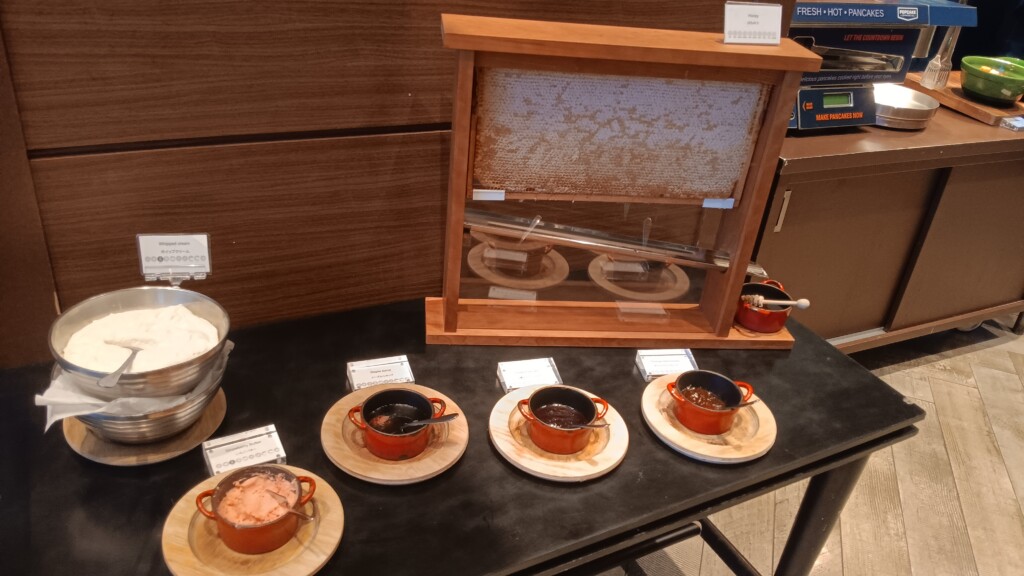
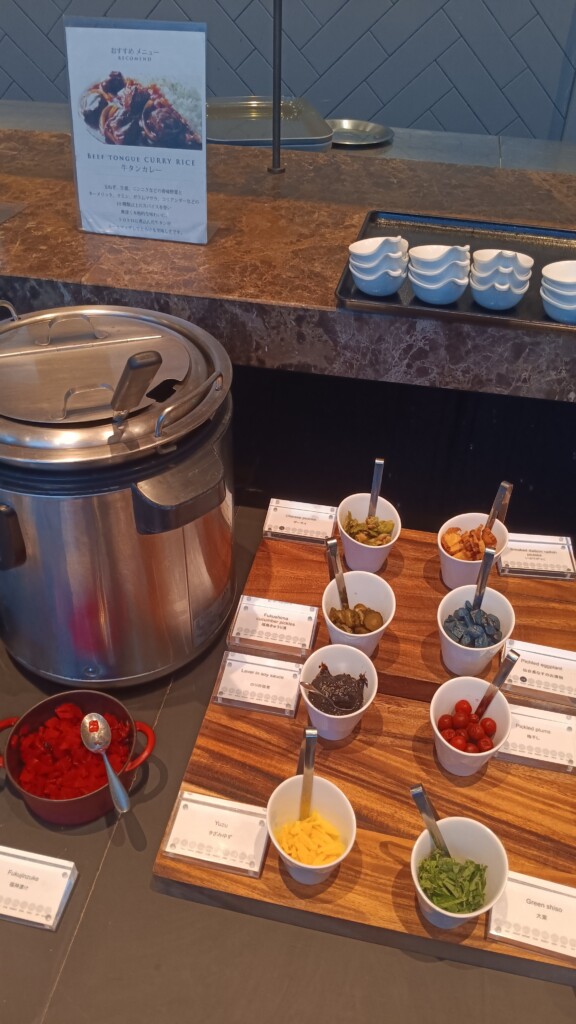
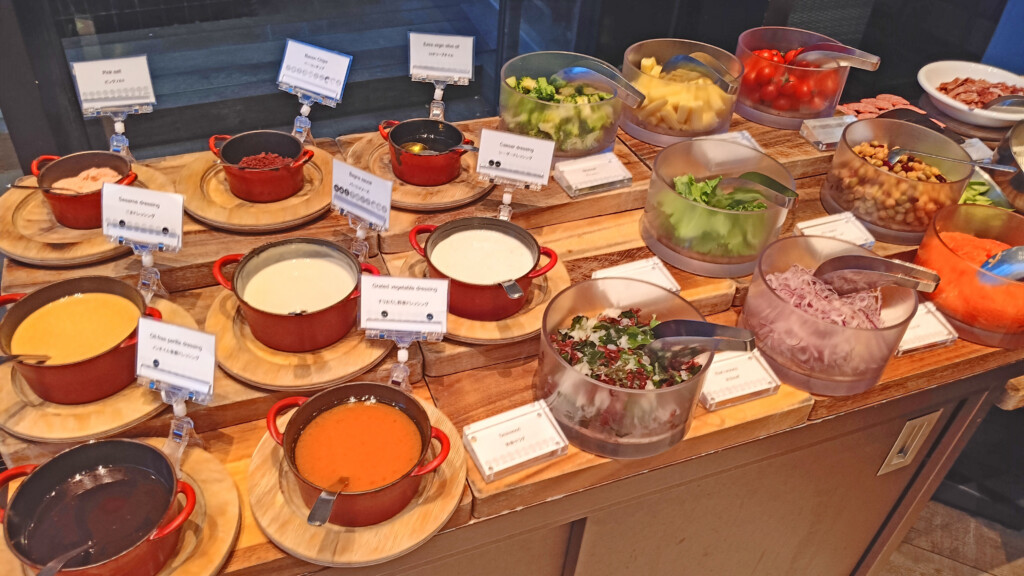
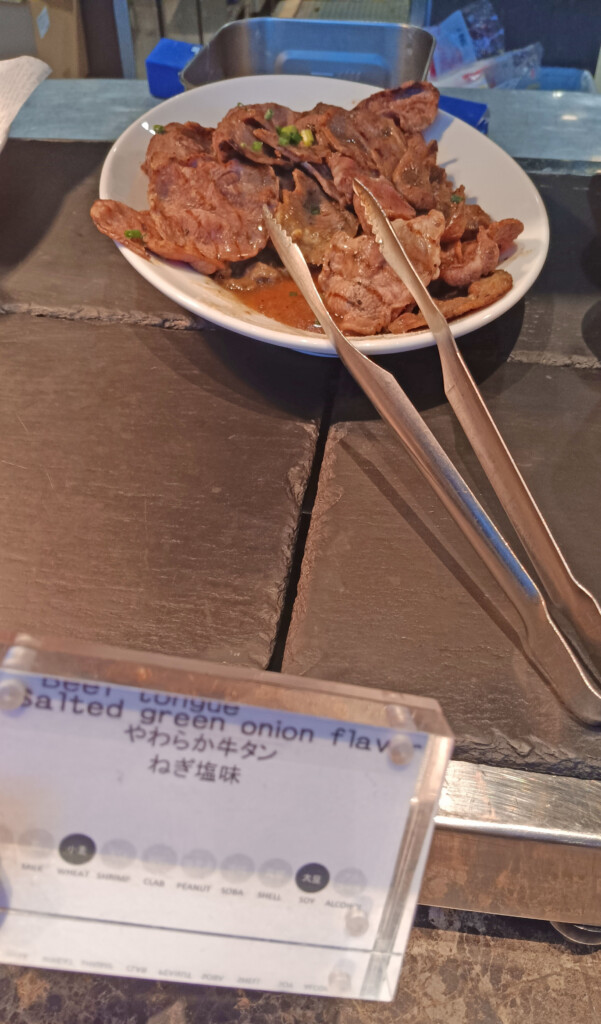
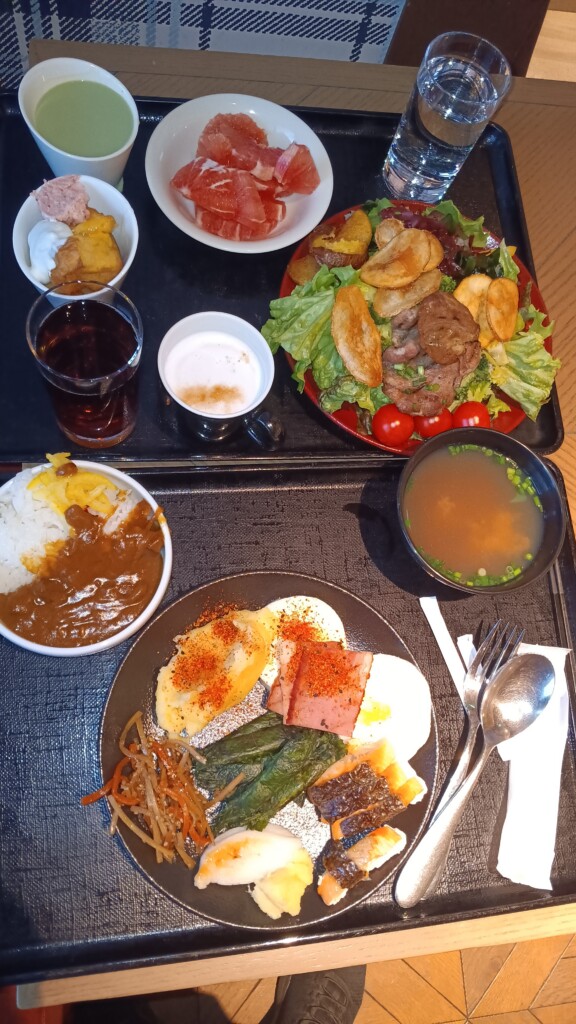
Then again, I liked having a room right across from the washing machine facilities (as a matter of fact, I requested that very room), and the buffet breakfast with some Sendai specialties was good times.
Summary
The JR East-South Hokkaido Rail Pass was definitely of good value for exploring quite a large swath of Japan, which includes the East Japan golden route. I took a number of shinkansen, express, and local rail lines, yet never felt rushed. That ¥35,370 price tag would be a bargain, especially when taking into consideration the overall good on-time performance of Japan’s transit system.
Note: It’s worth keeping in mind that due to the more rural nature of this part of the country, trains run much less frequently. I’m not talking about bullet trains between major cities, or some special express trains like the Hokuto. Use the Jorudan train site to help with planning transportation, or Google Maps.

Leave a Reply