Disclaimer: I received one JR East Pass in exchange for a review.
The aptly named JR East Pass was introduced last month, having combined two smaller regional passes to become one mega all-you-care-to-ride pass. Check out the map below and I will fill in the two major prefectures (roughly Japan’s analog to states) that are now accessible.
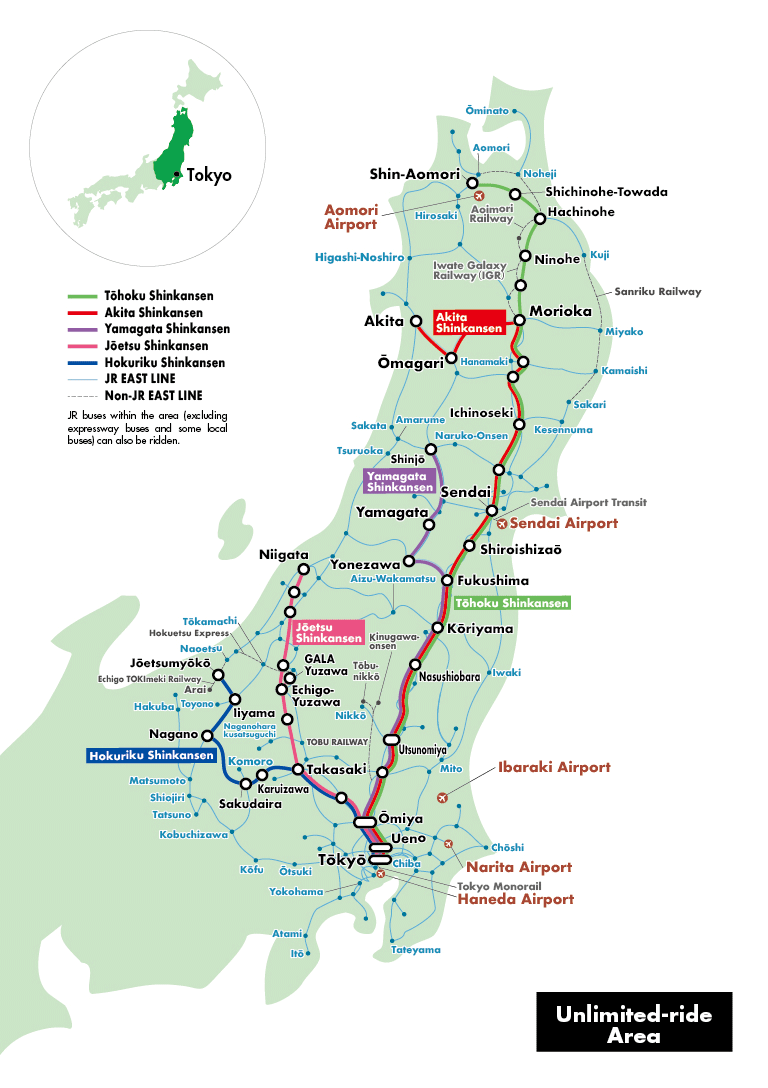
In alphabetical order, here are all the germane prefectures, with the largest city in each. The two newly accessible prefectures are in bold:
– Akita (Akita)
– Aomori (Aomori)
– Chiba (Chiba)
– Fukushima (Iwaki)
– Gunma (Takasaki)
– Ibaraki (Mito)
– Iwate (Morioka)
– Kanagawa (Yokohama)
– Miyagi (Sendai)
– Nagano (Nagano)
– Niigata (Niigata)
– Saitama (Saitama)
– Tochigi (Utsunomiya)
– Tokyo (let’s say Tokyo)
– Yamagata (Yamagata)
– Yamanashi (Kofu)
Where to Buy
– JR-East Train Reservation (called eki-net.com)
– Major JR East train stations (e.g. Tokyo Narita Airport, Tokyo, Shinjuku, Yokohama)
– Overseas travel agencies
Railway Companies and Lines you can use
I’ve copied verbatim from the official JR East website the railway and bus lines that can be used with the JR East Pass. However, I’ve added (in italics) the prefecture(s) relating to each bullet point.
- JR EAST lines (including BRT*)
- Tokyo Monorail (Tokyo Panorama Line) Tokyo
- Aoimori Railway Line Aomori
- Iwate Galaxy Railway (IGR) Line Iwate, Aomori
- Sendai Airport Transit Line Miyagi
- Sanriku Railway Iwate
- Hokuetsu Express Niigata
- Echigo Tokimeki Railway (between Naoetsu and Arai) Niigata
- Reserved seats in ordinary cars of the following express trains with through operations between JR EAST and Tobu Railway lines: Nikko, Kinugawa, and SPACIA Kinugawa trains.
- This pass can also be used on the Tobu Railway local trains (including rapid services) from Shimo-imaichi to Tōbu-nikkō and Kinugawa-onsen.
Between Kurihashi and Shimo-imaichi, you can only use limited express trains that run through to Tobu Railway. ** - JR buses in the valid area (excluding highway buses and some route buses)*BRT refers to a Bus Rapid Transit system.**The JR EAST PASS can only be used for limited express trains that have through services directly from the JR line to the Tobu Railway.The pass cannot be used for limited express trains that both begin and end at Tobu Railway stations. (When riding a limited express train from Tochigi Station, Shin-kanuma Station, Shimo-imaichi Station, Tōbu-nikkō Station, Tobu World Square Station, or Kinugawa-onsen Station, the departure or arrival station must be a JR station.)
You can also take advantage of dining/shopping discounts throughout the rail pass usage area.
Price & Validity
The JR East Pass is offered to foreign passport holders as both a 5- and 10-day ticket. Note that they are consecutive calendar days, from midnight to midnight.
5-Days
For folks aged 12 and up, it costs ¥35,000. As for passengers 6-11 years old, it is ¥17,500.
10-Days
For folks aged 12 and up, it costs ¥50,000. As for passengers 6-11 years old, it is ¥25,000.
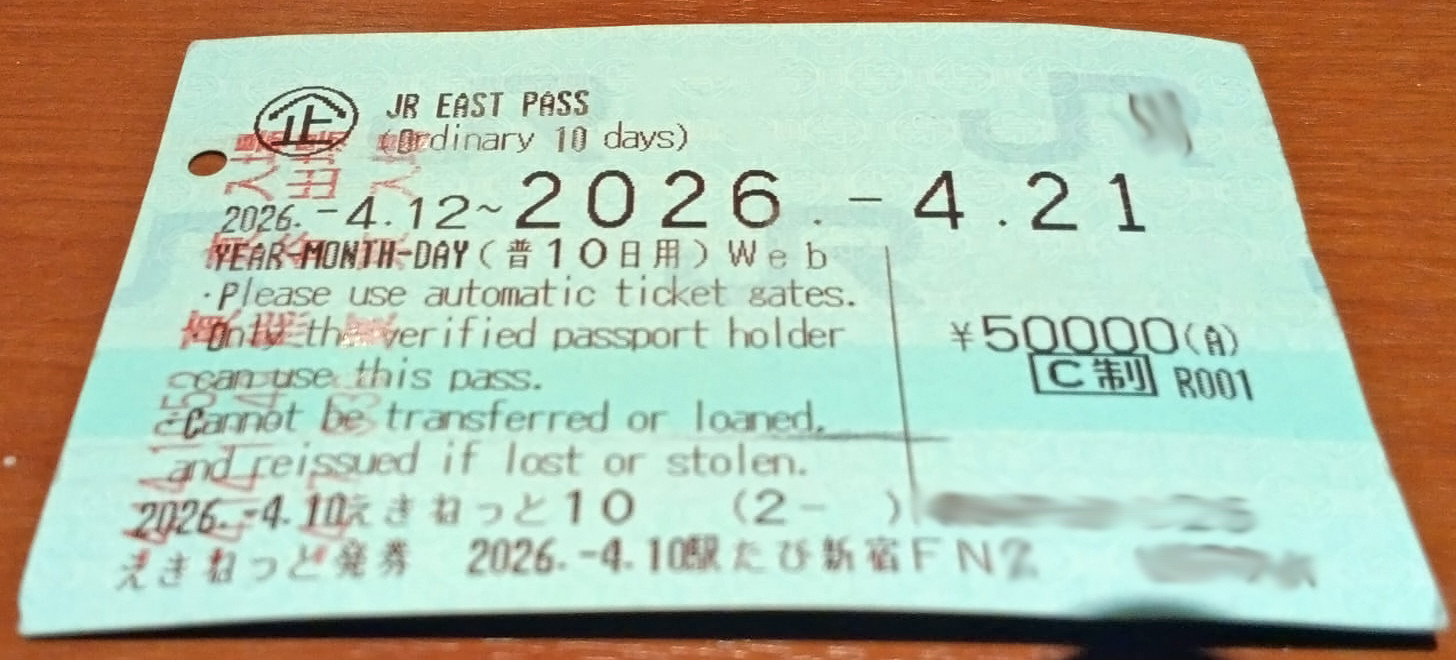
The red ink on my 10-day pass reflects the first three bullet train (shinkansen) ticket gates I passed (i.e. Tokyo, Kumagaya, Tokyo).
My biggest gripe is that the ticket is easily damaged, so keep it in a firm place so that it doesn’t bend/rip.
Selecting a Seat
While you can get a seat through JR East’s online portal, and at various JR East train station ticket offices, I’ve made a YouTube seat selection guide for those willing to use the ticket machines.
Note: some ticket machines have already been retrofitted with newer computer systems, but the guide is basically the same.
Where can you go?
There’s clearly a massive region covered by the JR East Pass, further amplified by the addition of Niigata and Nagano. However, I didn’t have the best luck with this go-around. There were three days where strong winds were delaying a lot trains on my planned routes, so I cut those trips short.
Furthermore, there was an earthquake near Iwate prefecture on the penultimate day of my pass, so that day and last day were lost causes. Can’t do much about nature getting in the way.
On that note, keep this one nugget of information in mind if you decide to leave the major metropolitan areas. Population density gets very low, therefore the number of trains per hour substantially decreases. Whereas in Tokyo at rush hour (extreme example), there might be one FIFTEEN car train every 2-3 minutes, up in Aomori or Iwate it might be one TWO-THREE car train every 1.5 hours.
One place I really wanted to return to was Niigata city. Located on the Sea of Japan, the area is widely known (as so many other places are…) for its seafood, rice, and nihonshu (err, sake). Both times I tried to go, there were weather delays, so I gave up. But if you’re in to sake, the Niigata prefecture JR stations of Niigata, Echigo-Yuzawa, and Nagaoka all have neat surprises.
Matsumoto (Nagano prefecture)
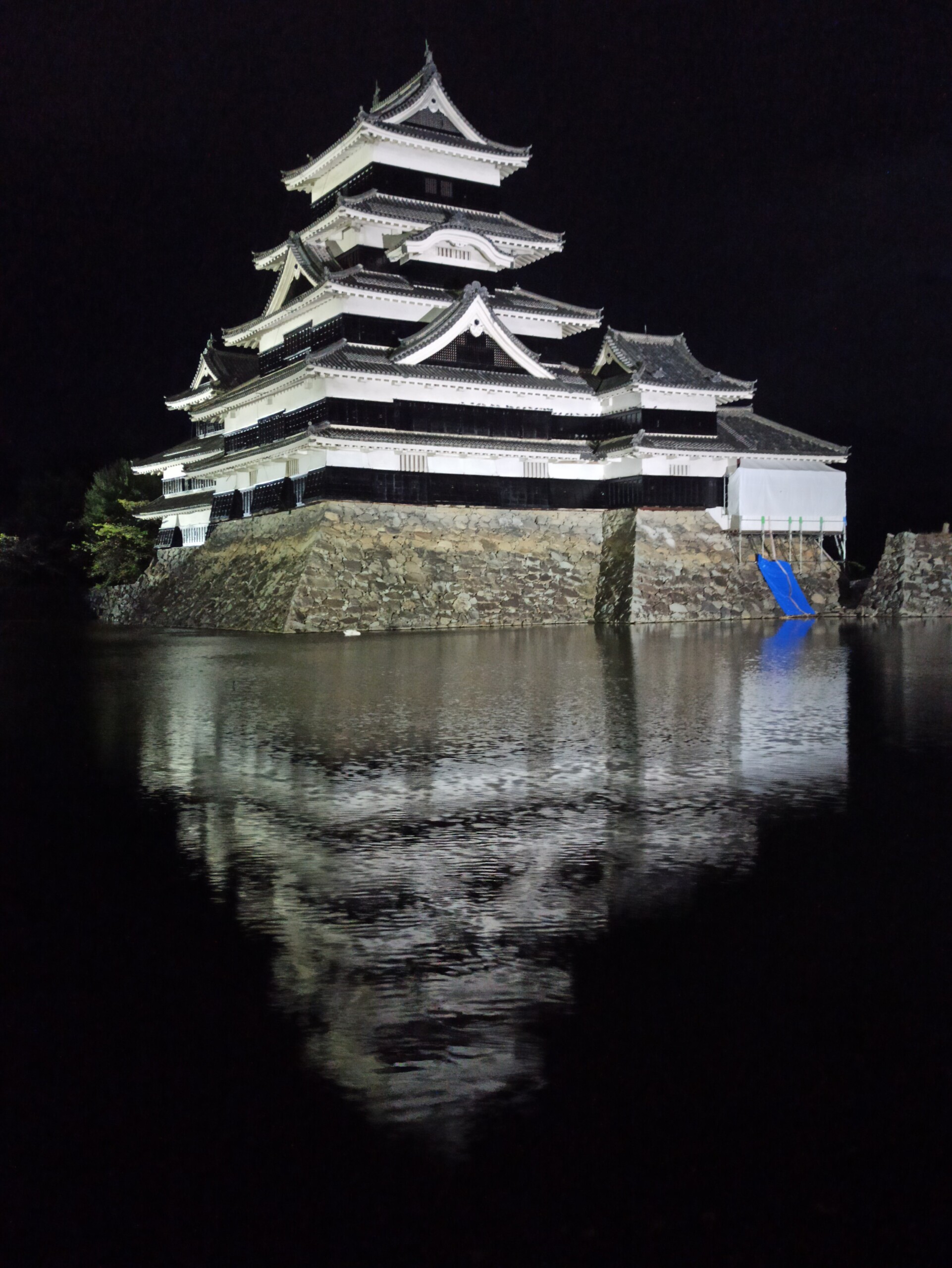
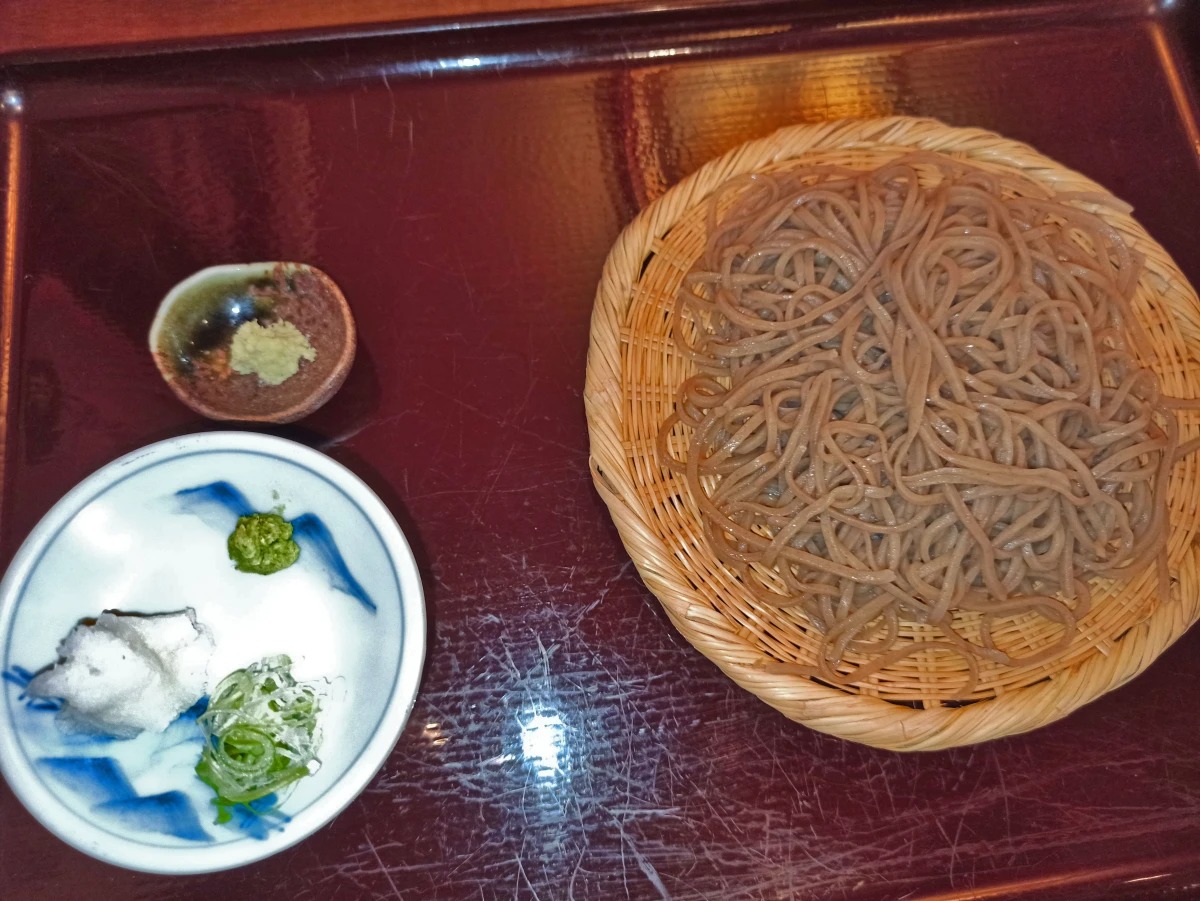
Matsumoto, in Nagano prefecture, is neat little city. It has one of Japan’s 12 original castles, Fukashi Castle, as well as a bevy of soba restaurants. Plus, it’s near Azumino city, home of Daio Wasabi Farm, the country’s largest.
Kofu (Yamanashi prefecture)
Kofu is the capital of Yamanashi prefecture, the home of Japan’s wine industry. It is due west of Tokyo.
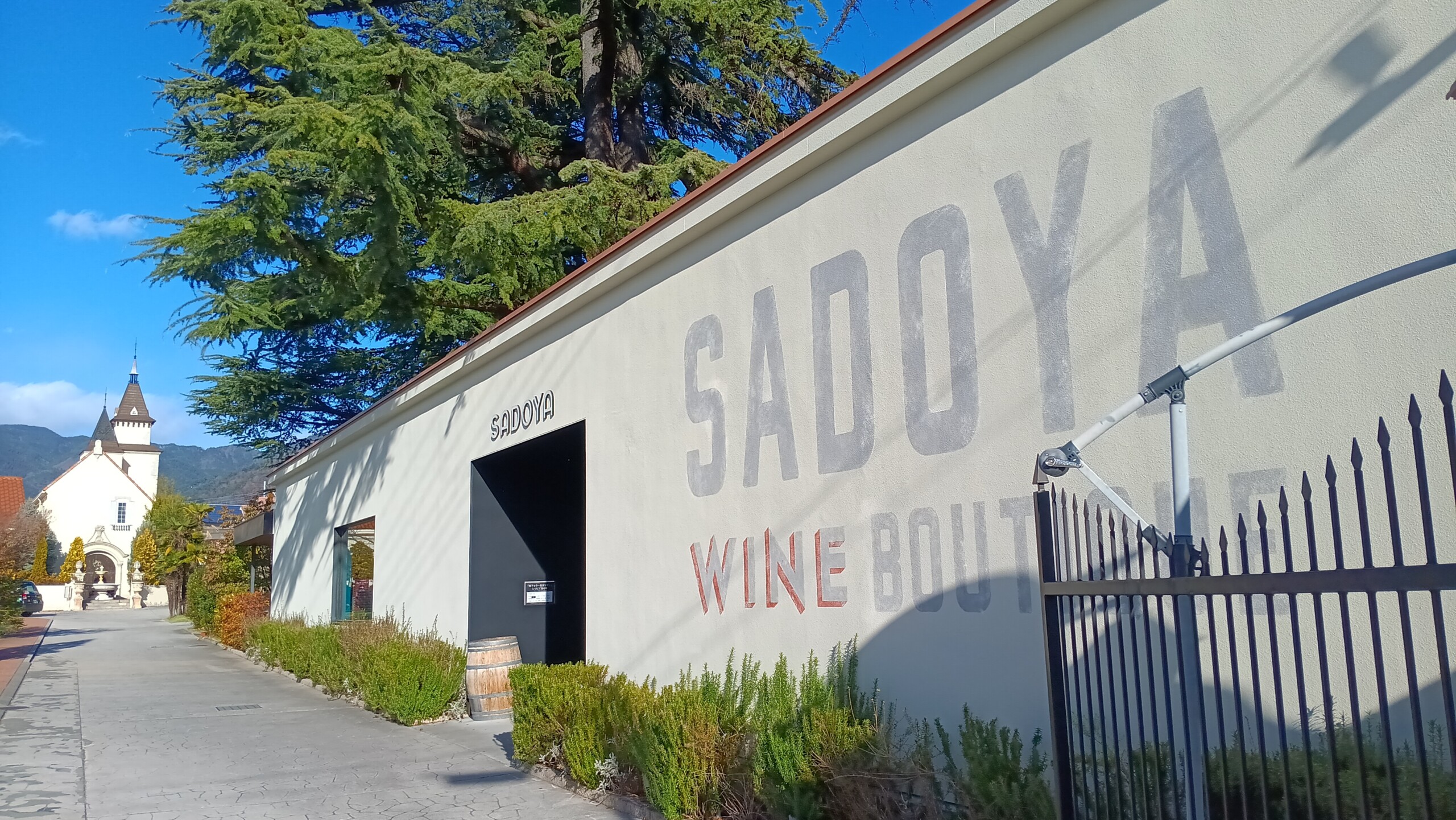
The city is a mere 1.5 hours away from Shinjuku by limited-express train, and has a few pleasant shops and restaurants close to its reconstructed Maizuru Castle.
It’s not a hugely popular tourist city, as Yamanashi, too, is better known for its nature-focused activities.
To wit, the prefecture can lay claim to “half” of Japan’s most famous mountain:
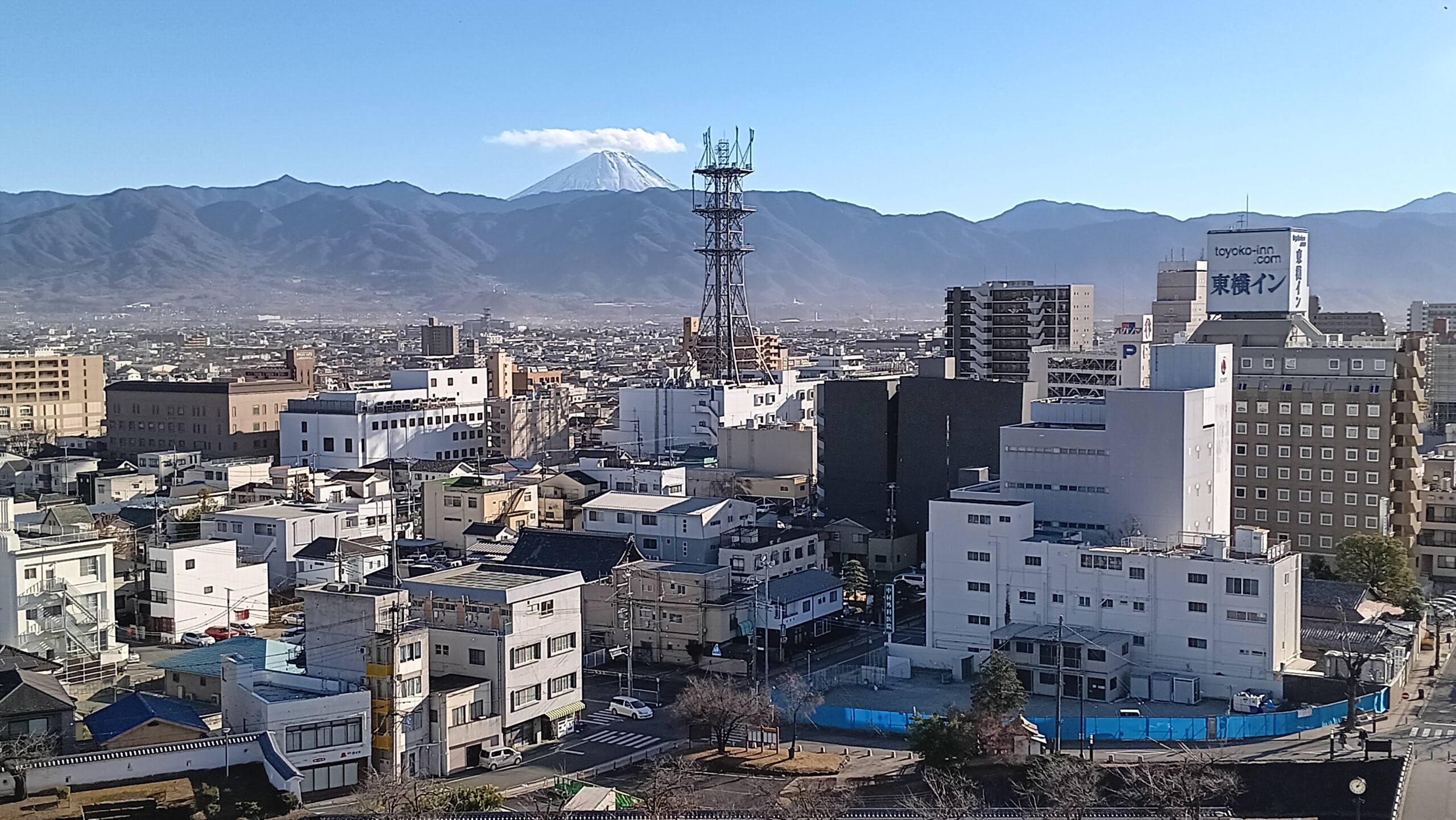
Utsunomiya (Tochigi prefecture)
Another sleepy prefectural capital, Utsunomiya had been calling my name for nearly 20 years, for one big edible reason: gyoza.
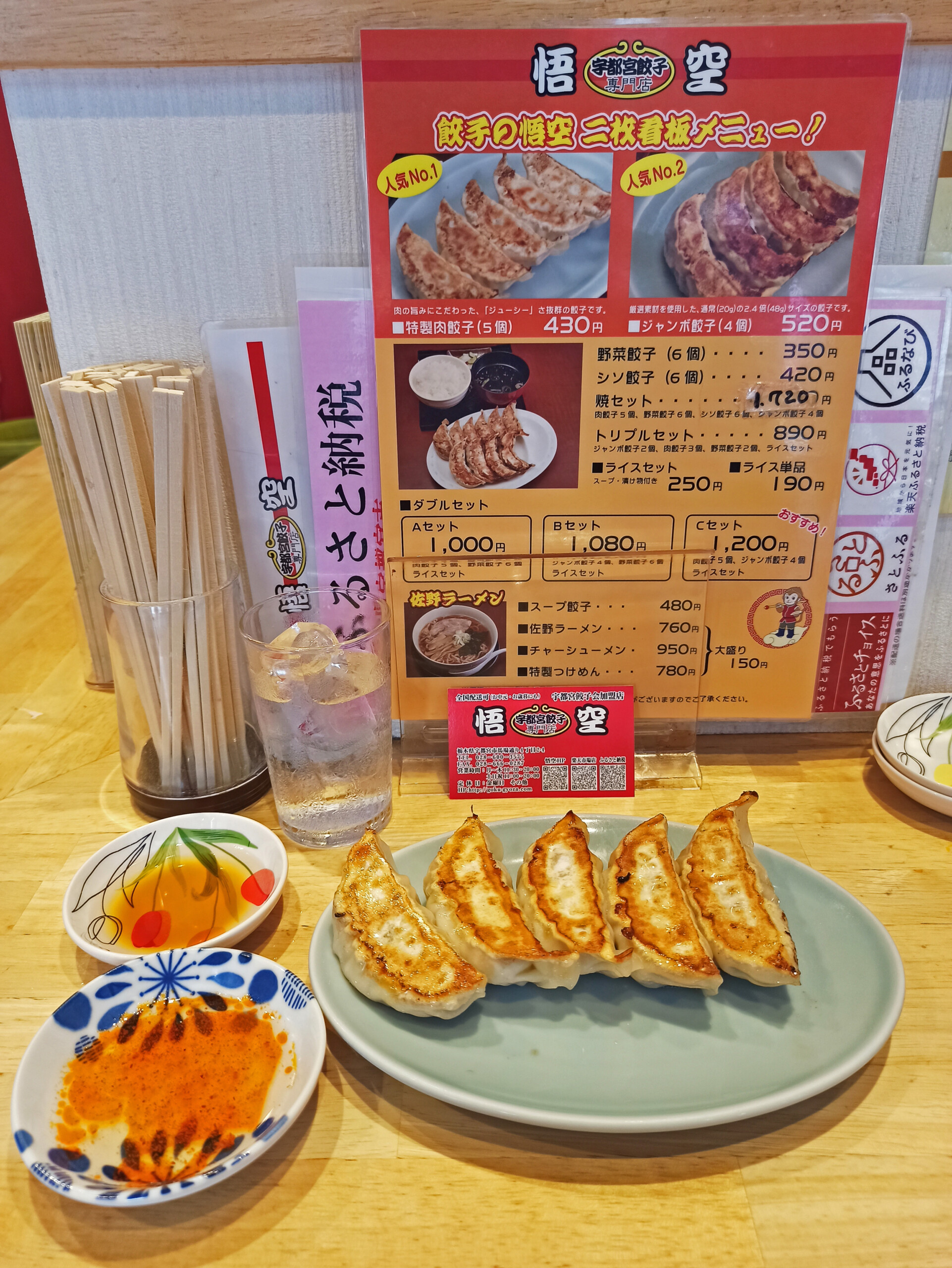
Utsunomiya is the gyoza — i.e. pot sticker — epicenter of the country, with both a street and a food hall dedicated to the snack.
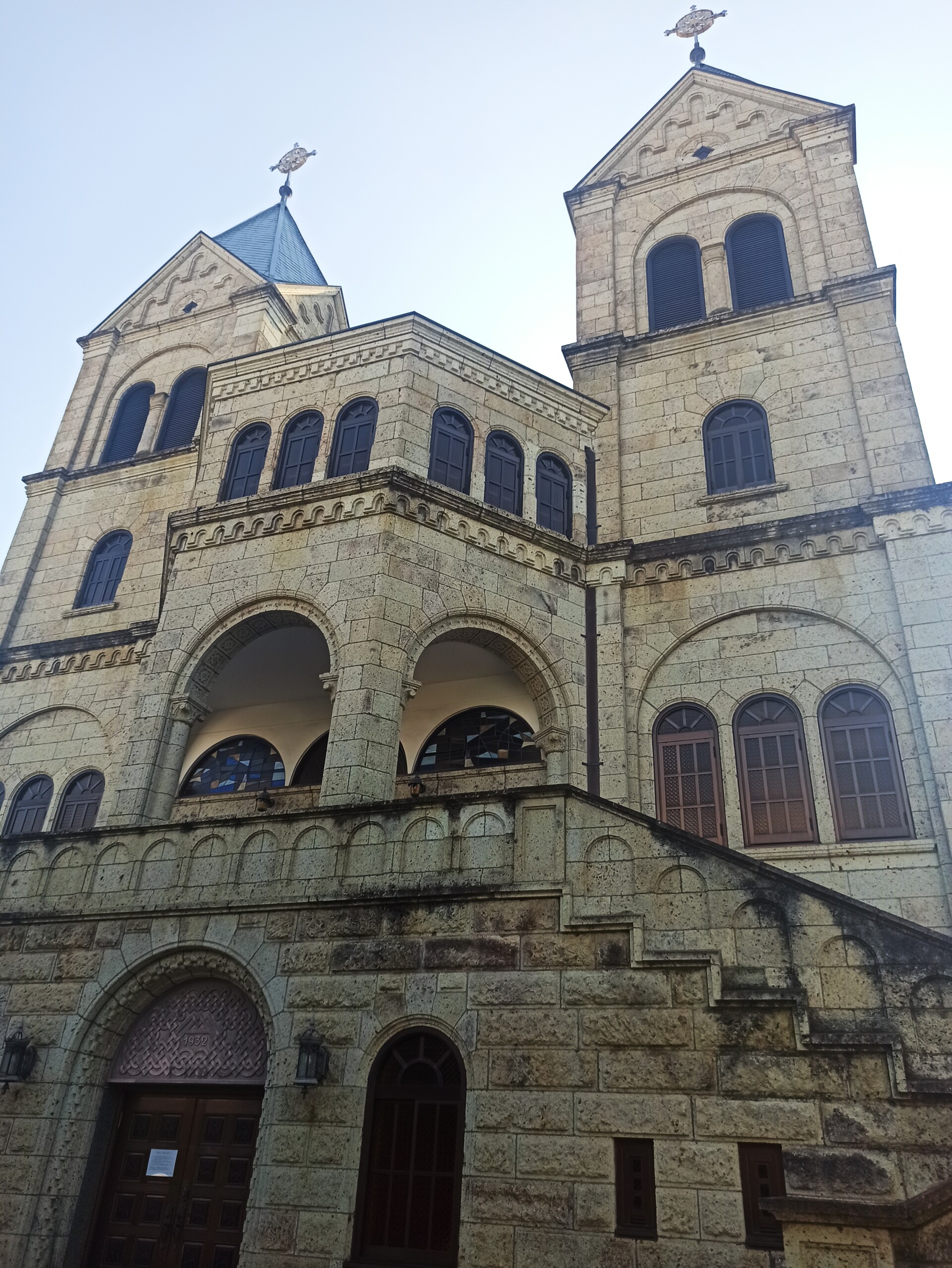
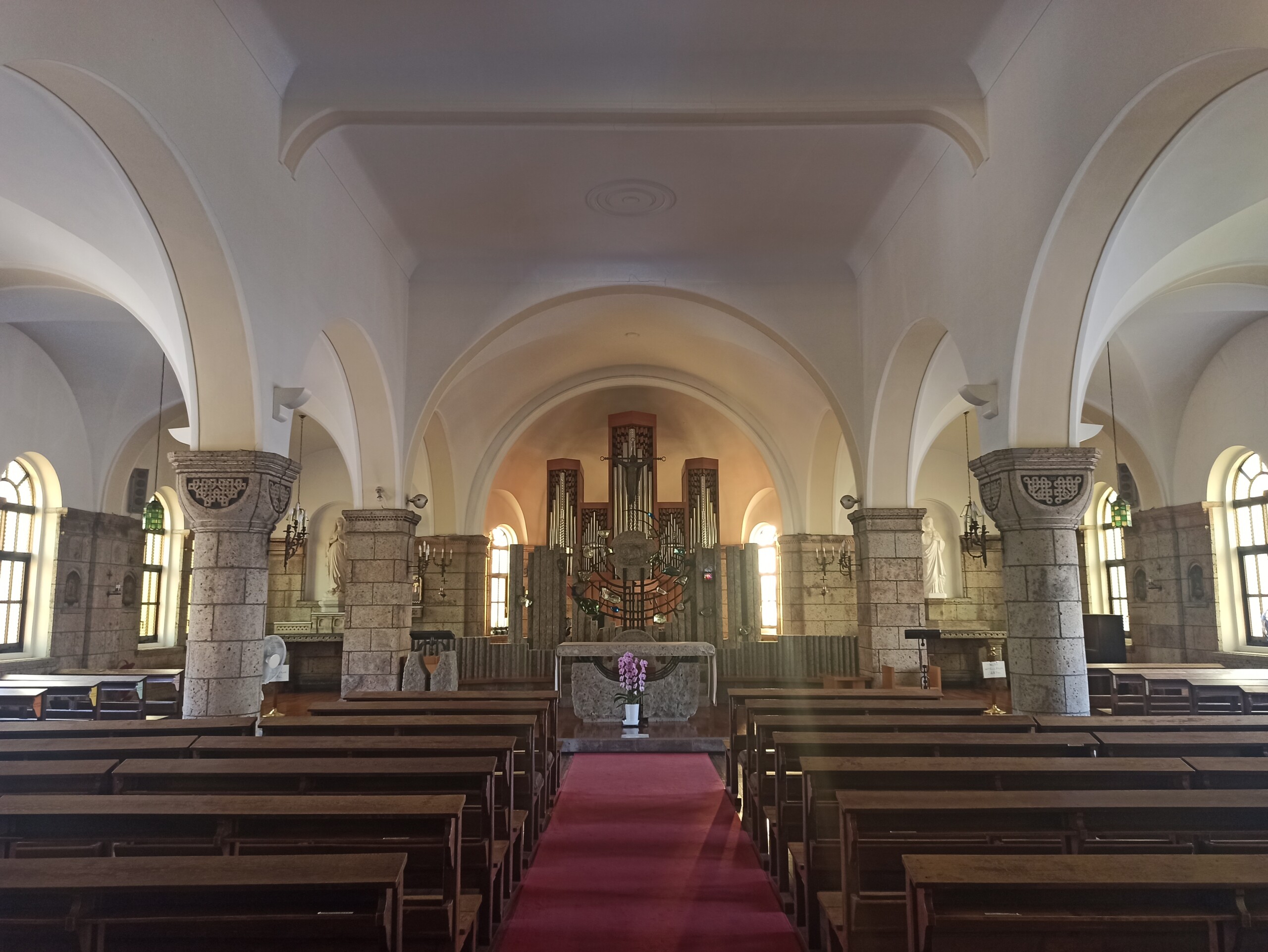
Architecture buffs might be interested to know that the city’s Matsugamine Catholic Church was made using local Ōya stone, made from lava and ash. This type of stone can only be found in this part of Tochigi prefecture.
Kurihama (Kanagawa prefecture)
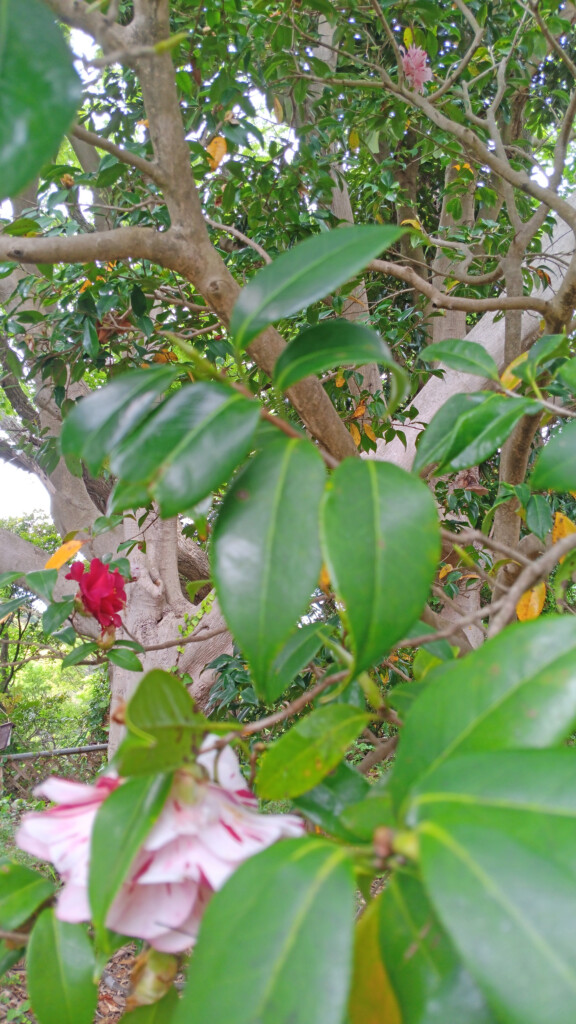
In the Tokyo area, mid-late April is when the light blue nemophila flower is in bloom. The most famous place to view them is in Ibaraki prefecture, but that would’ve been a long-day (train + bus) just to be a sheep (read: it gets very crowded).
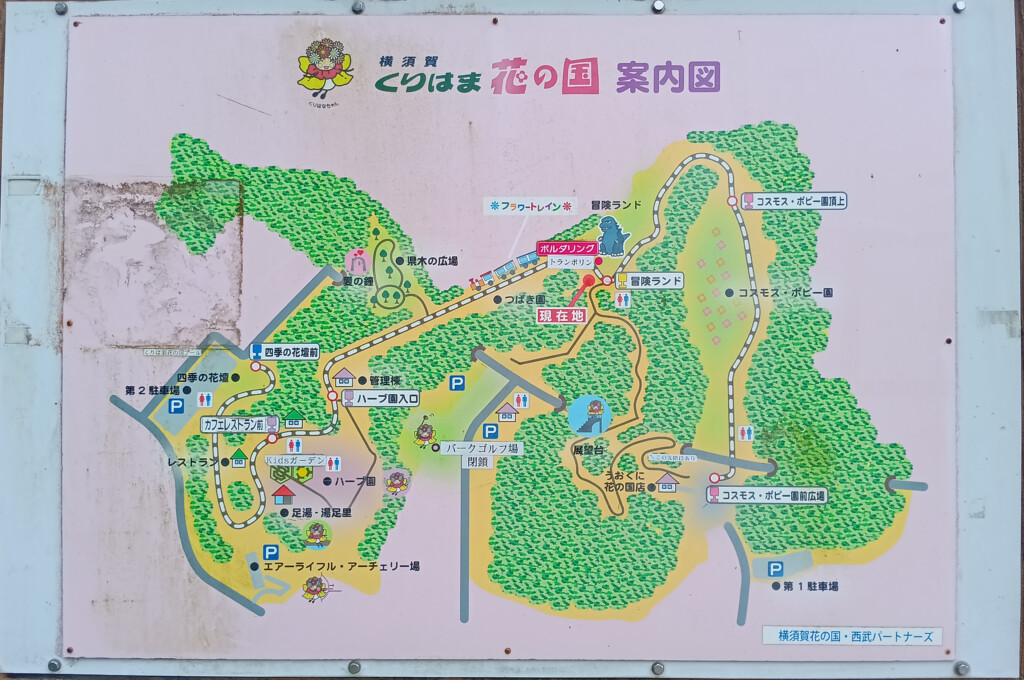
I read about a low-key place in Kurihama, due south of Tokyo. Apparently, it’s even open 24 hours, which is quite something here for a place that isn’t a convenience store.
Apparently, it’s called the Kurihama Hana-no-Kuni Flower World, and happened to be an under-20 minute walk from JR Kurihama station. Neat!
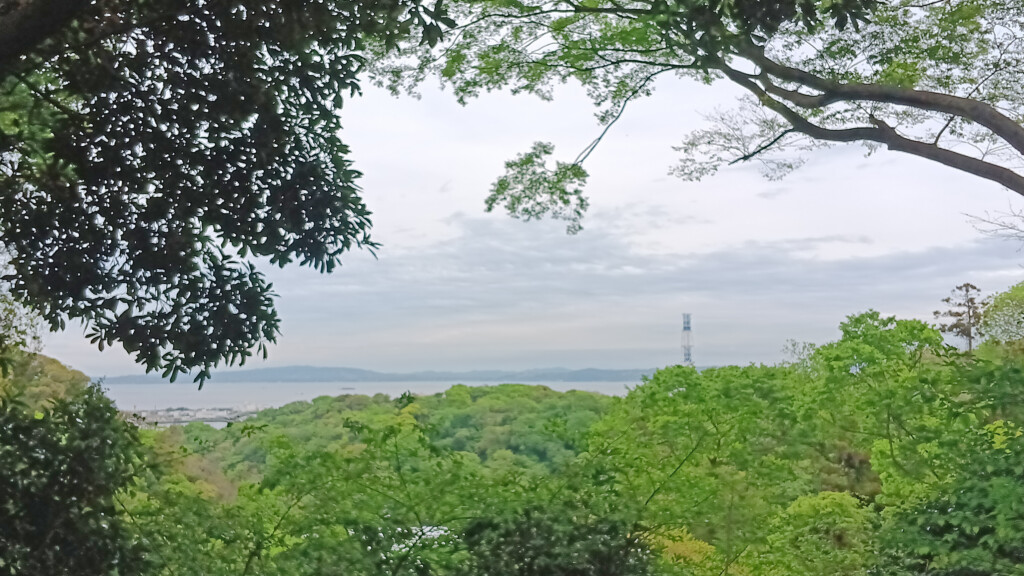
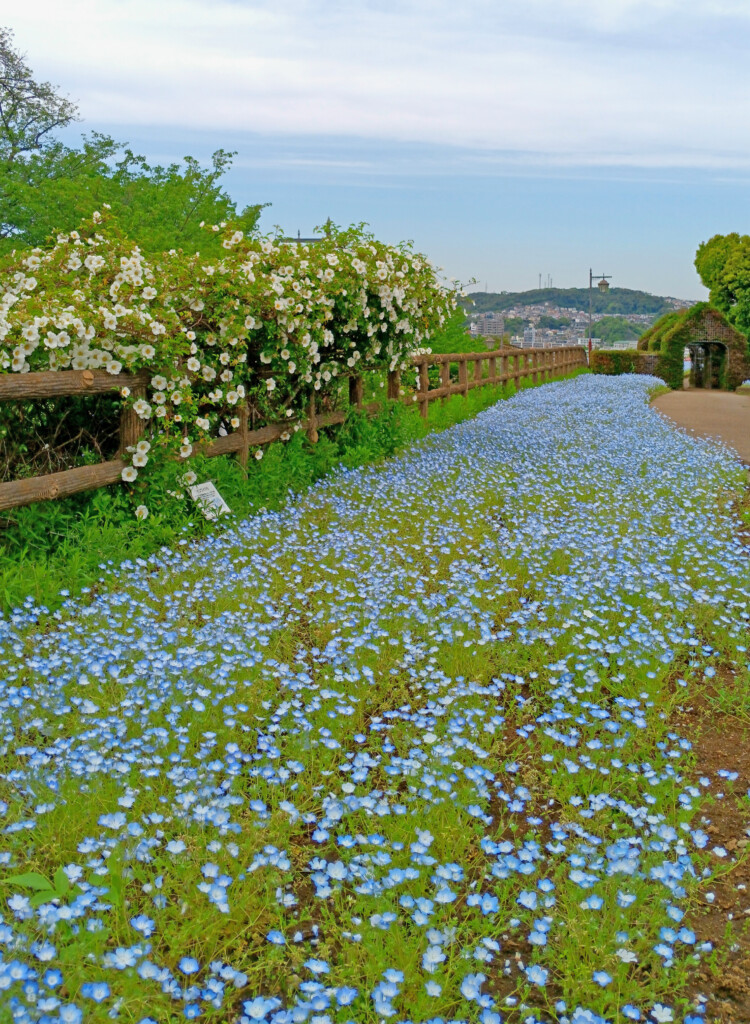
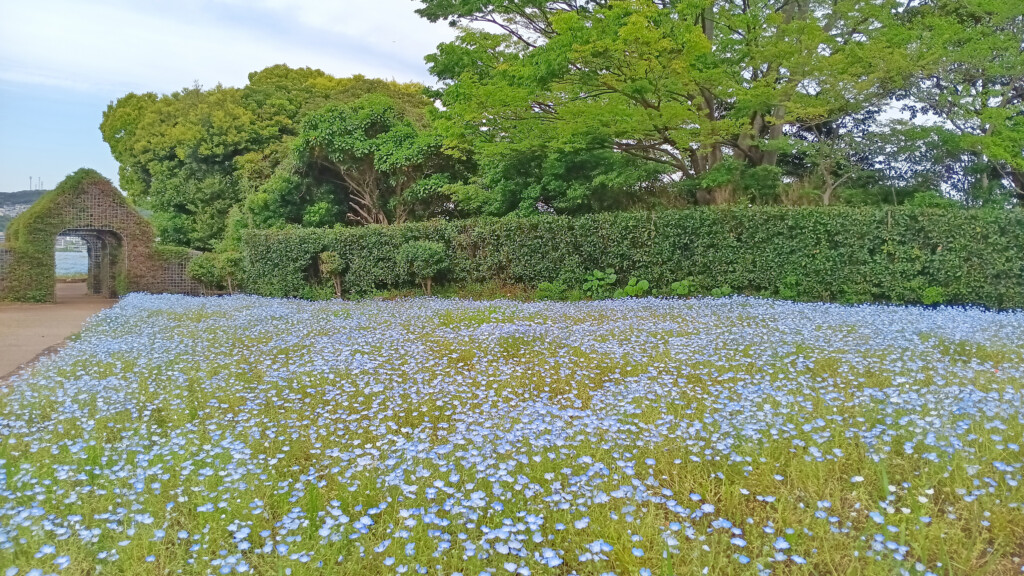
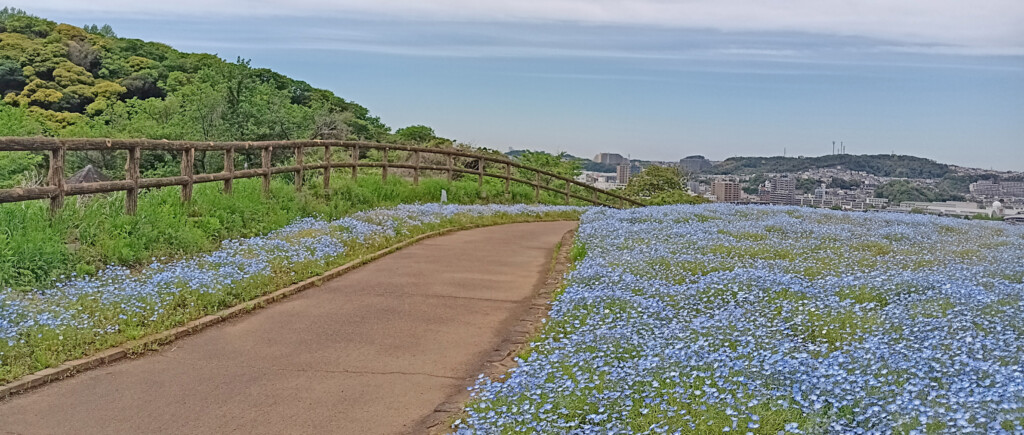
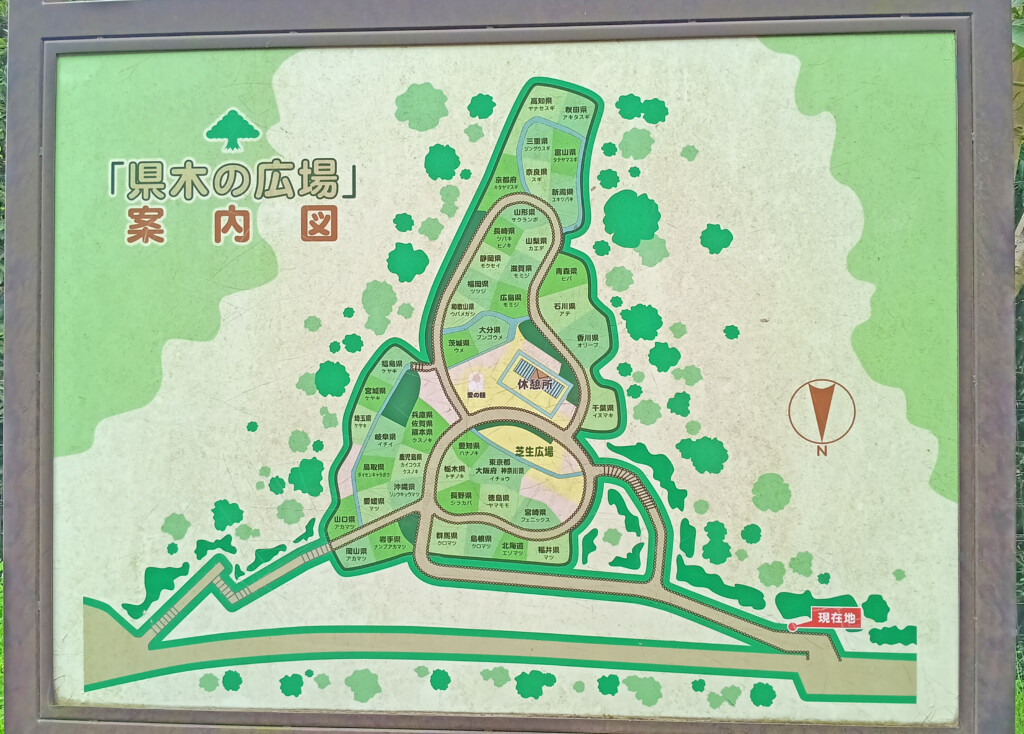
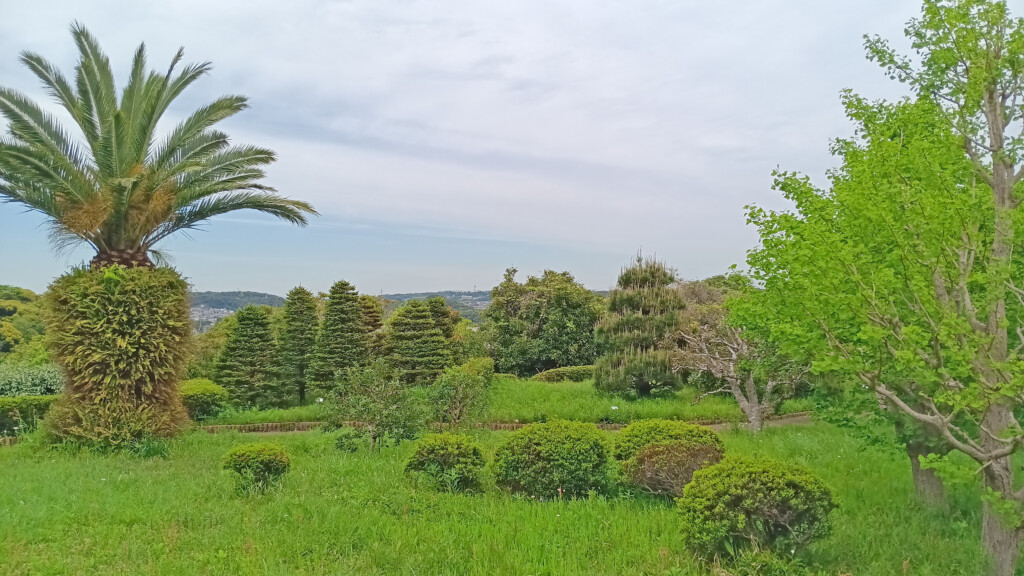
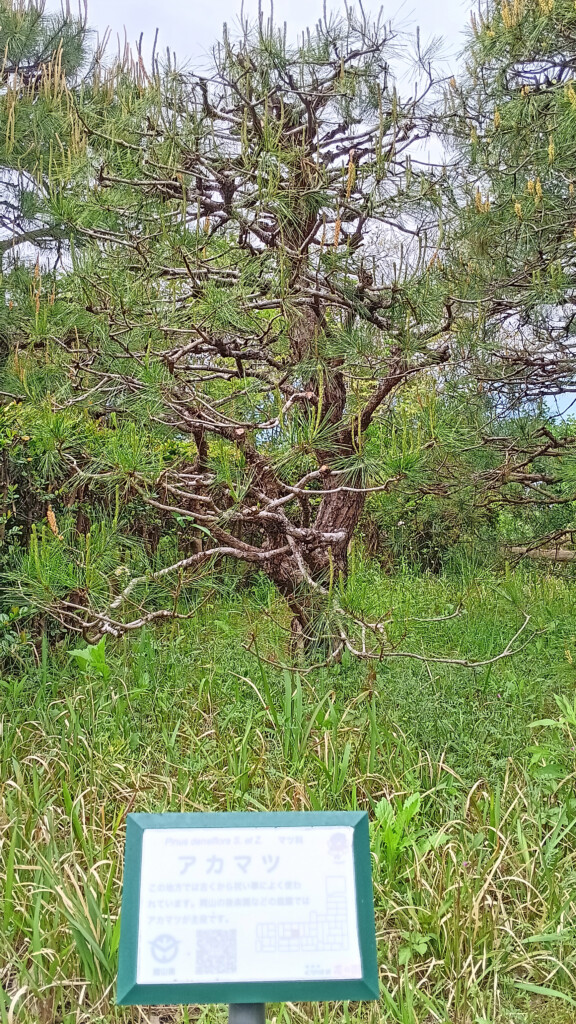
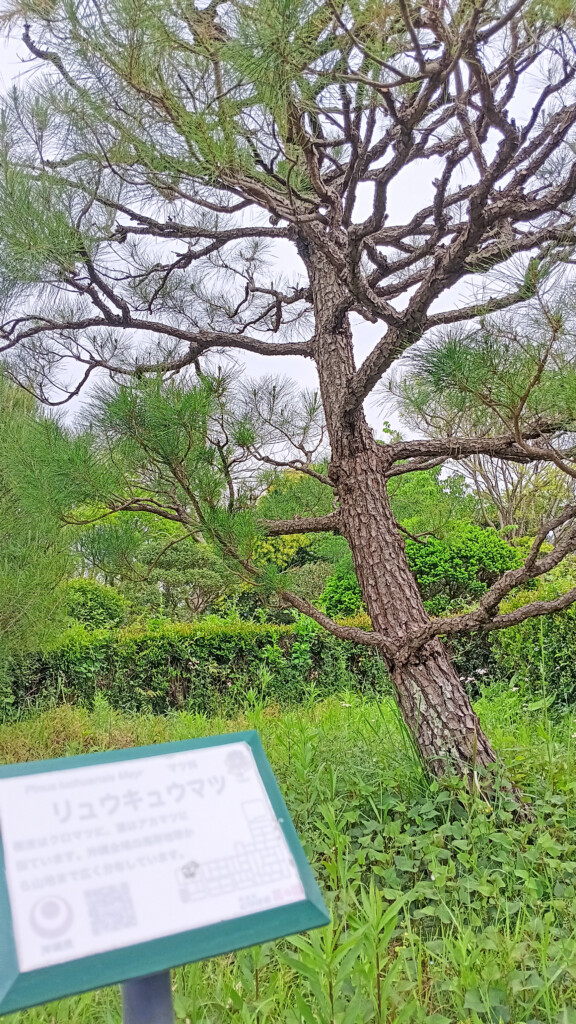
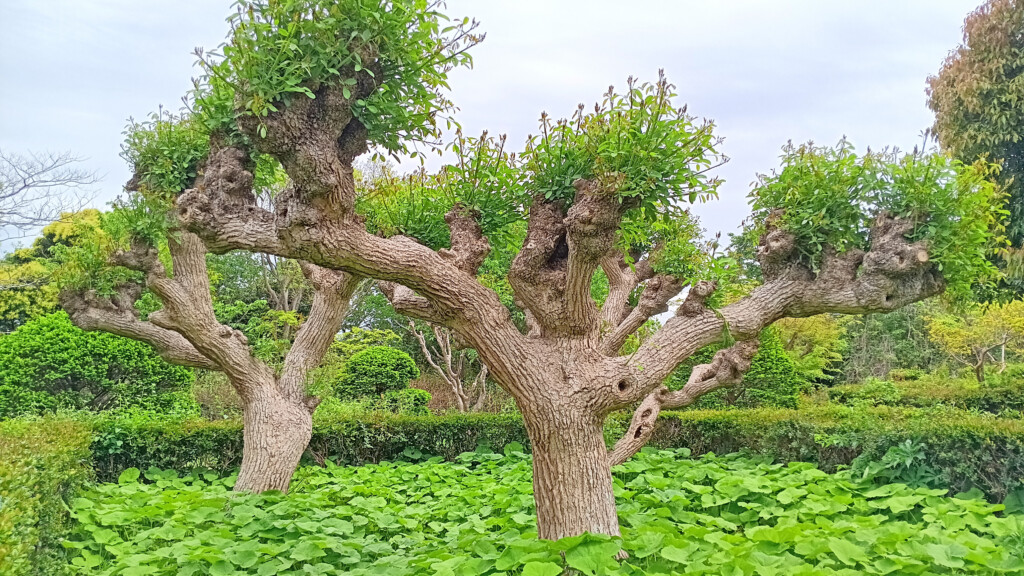
Then, I took a short walk to Perry Park, which commemorates the 1854 arrival of Commodore Matthew C. Perry, which slowly began to open up Japan to the rest of the world.
Ueda (Nagano prefecture)
Ueda was the home of the Sanada samurai family, which twice defeated one of the most powerful names in Japanese history, the Tokugawa clan. After all, Tokugawa was the name that kept Japan closed to most of the world between the early 1600s and mid-1800s.
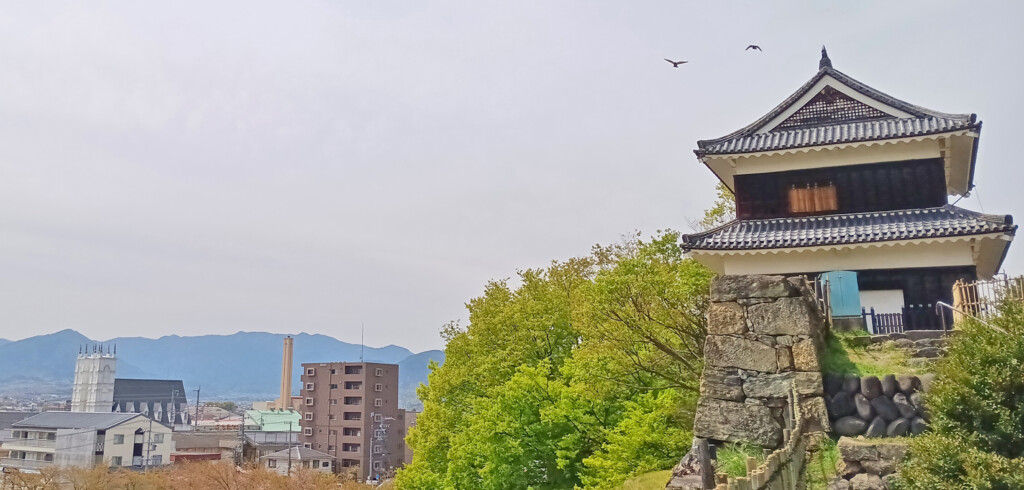
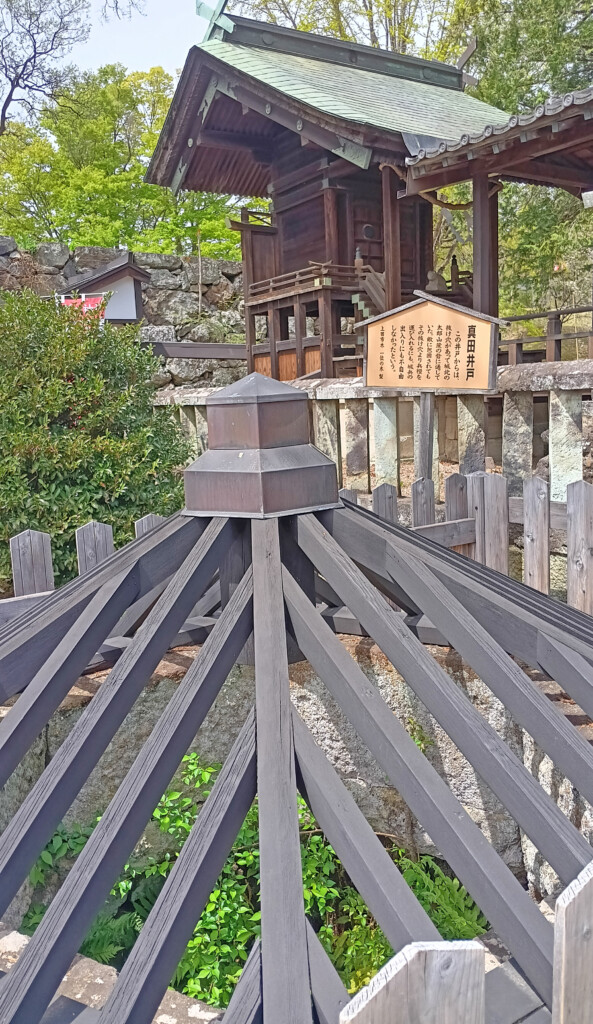
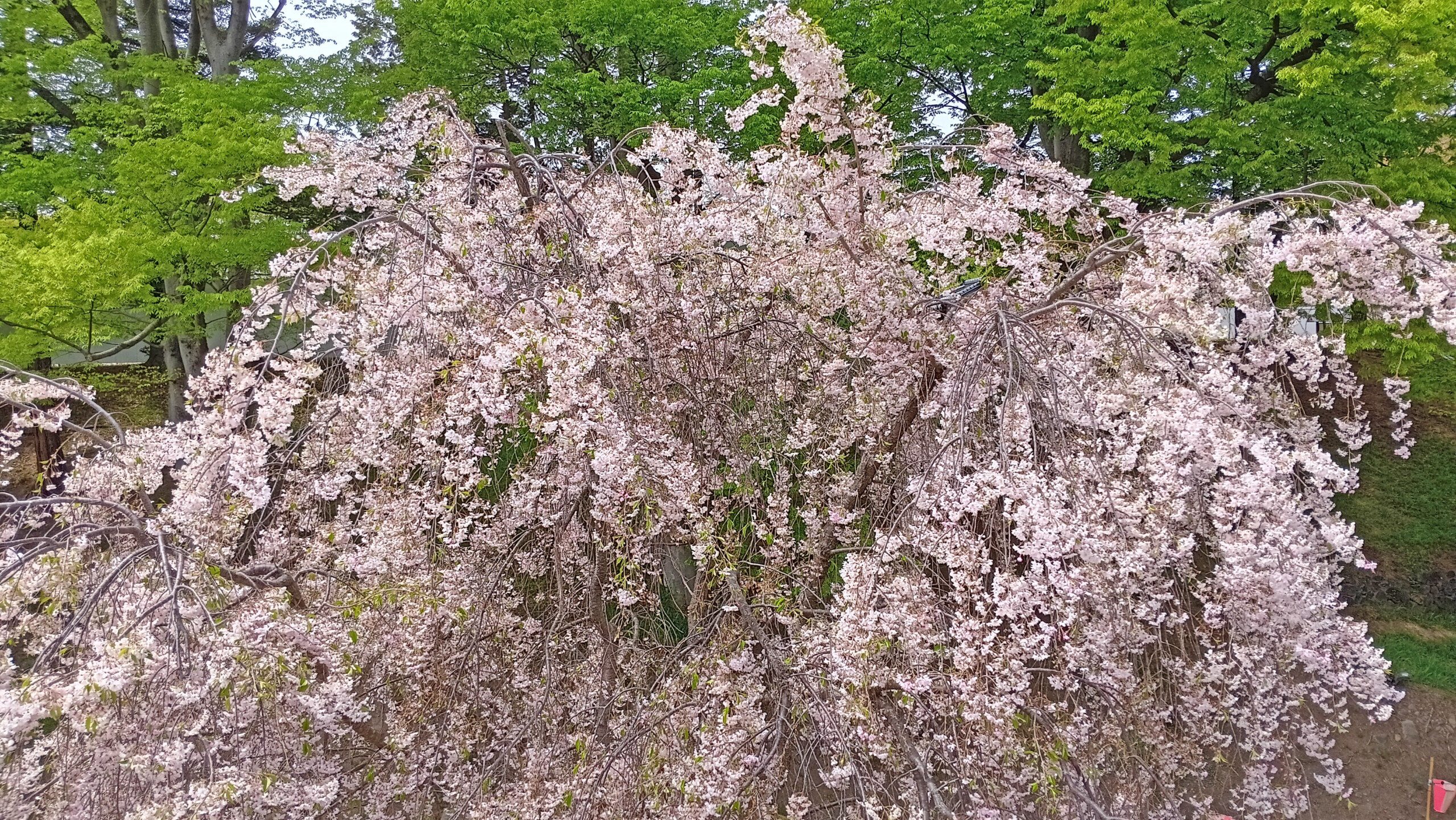
The Sanada castle was originally built in the 16th century, but after various attacks, only some of it was rebuilt in the 17th century. What remains today are stone walls and turrets. The castle park is also a nice place to spend a couple of hours, as well as to see some cherry blossom in early April.
With 10 consecutive days, I could really use the JR East Pass to plan some fun seafood and folklore-centric trips in the north. This time however, wind and earthquakes put a stop to much of that.
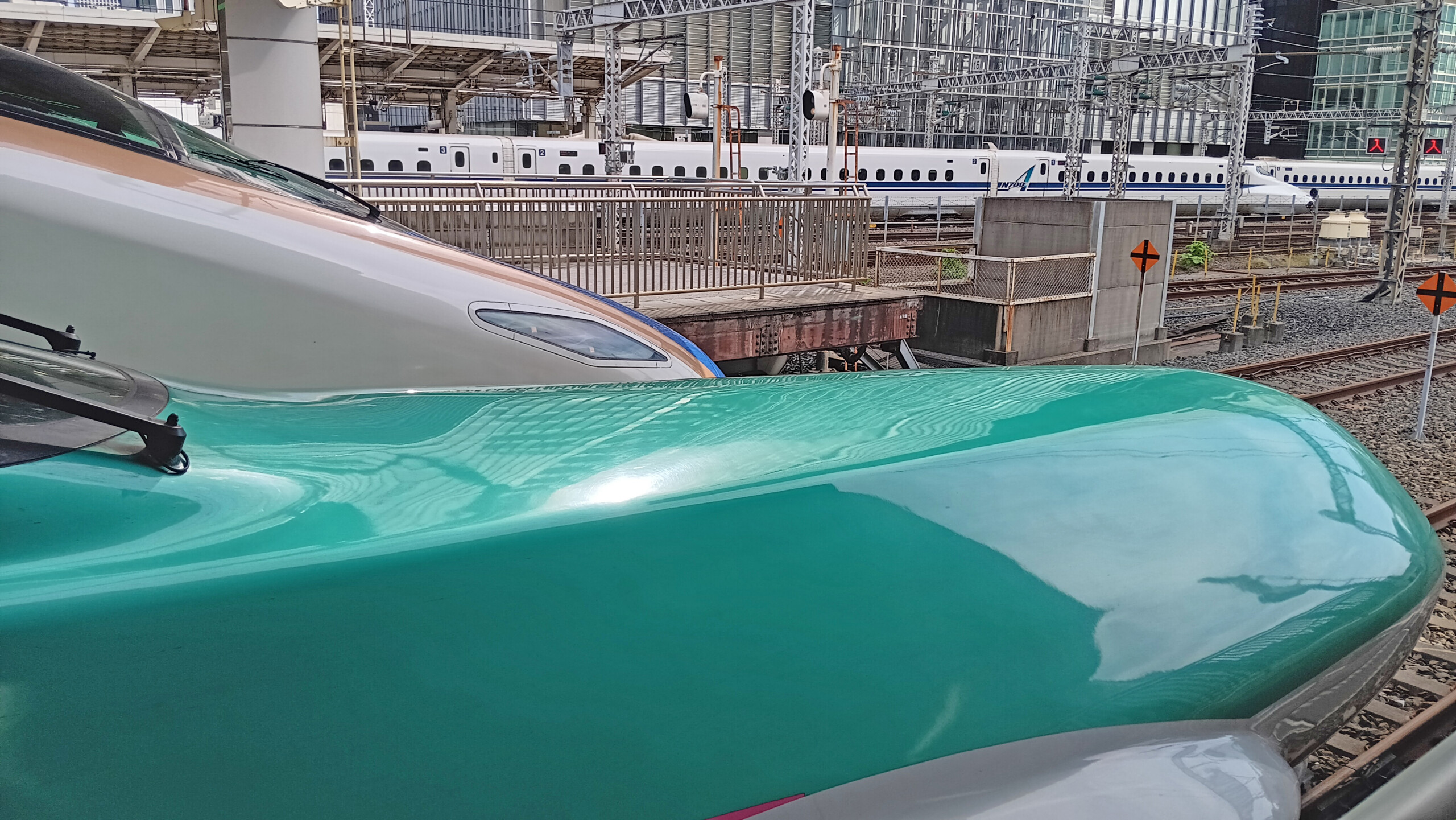
Nevertheless, if you are planning to do some travel from Tokyo to Niigata and Aomori, the pass would already have paid for itself. Even after traveling countless times on the bullet trains, I still get a kick out of seeing them whir by.

Leave a Reply