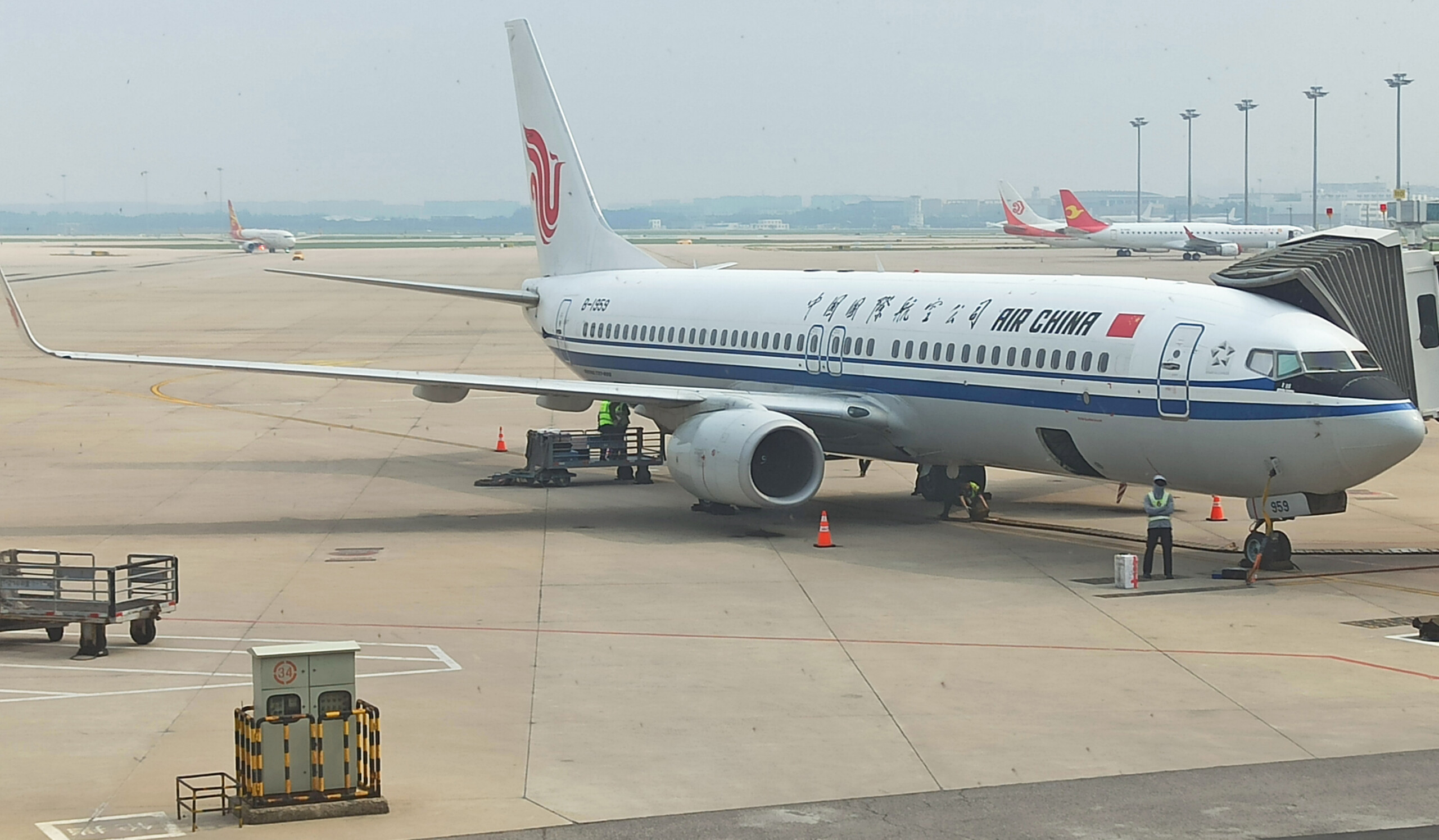
As the business class rate was not much more than the economy class rate, and I needed a small bump in miles to redeem an award ticket, last week I tried out Air China domestic business class from Guangzhou to Tianjin (a city relatively near Beijing).
Background
First of all, even though there was availability on flights to both Beijing airports (PEK & PKX), those flights all landed around midnight. No dice. But it’s more that Tianjin is so much less of a hassle than dealing with Beijing, meaning this wasn’t the first time this year I used Tianjin airport.
But yes, it can be very time-consuming to get between the two, even with seamless knowledge of the procedure, and Chinese language skills. Then again, where I had to go in Beijing, an area called Changyang on the Fangshan metro line, is particularly detached from downtown.
That is to say, from Tianjin Airport to Tianjin train station takes under 30 minutes by metro (no transfer), then as fast as 30 minutes to Beijing South station by high-speed rail (HSR).
Check-in
Air China uses Guangzhou Baiyun International Airport’s relatively new Terminal 3; I believe the airline only relocated to Terminal 3 this past March.
Business/First Class have their own check-in area. It’s nothing elegant, but it is cordoned off.
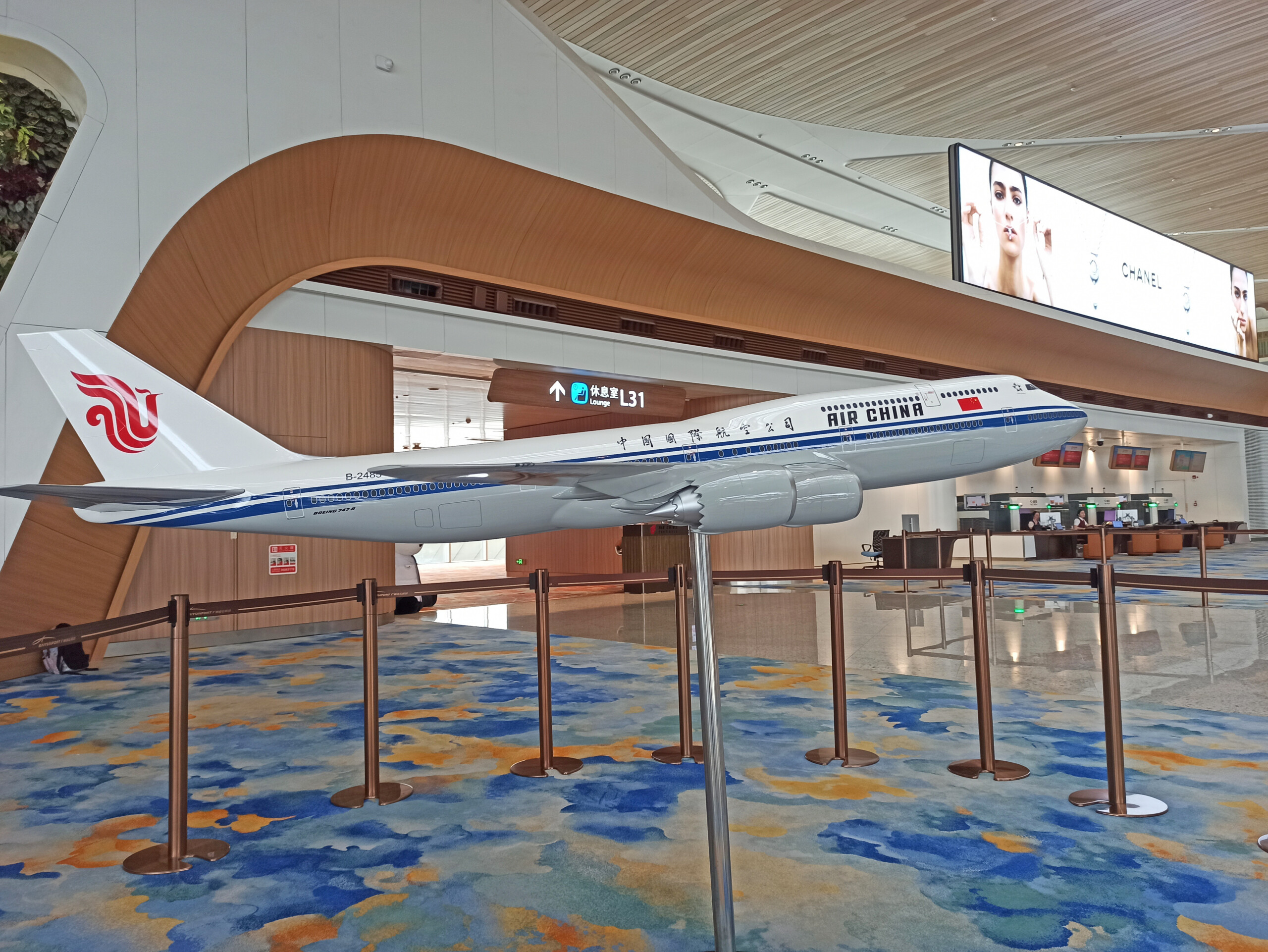
Perhaps the best aspect of having airline status/flying “up front” in China is (generally?) not having to yell at other passengers who are clearly cutting in front of you. That said, once you’re finally at the check-in desk, the process takes less than one minute for domestic flights…just add one more minute for the checked luggage to be screened.
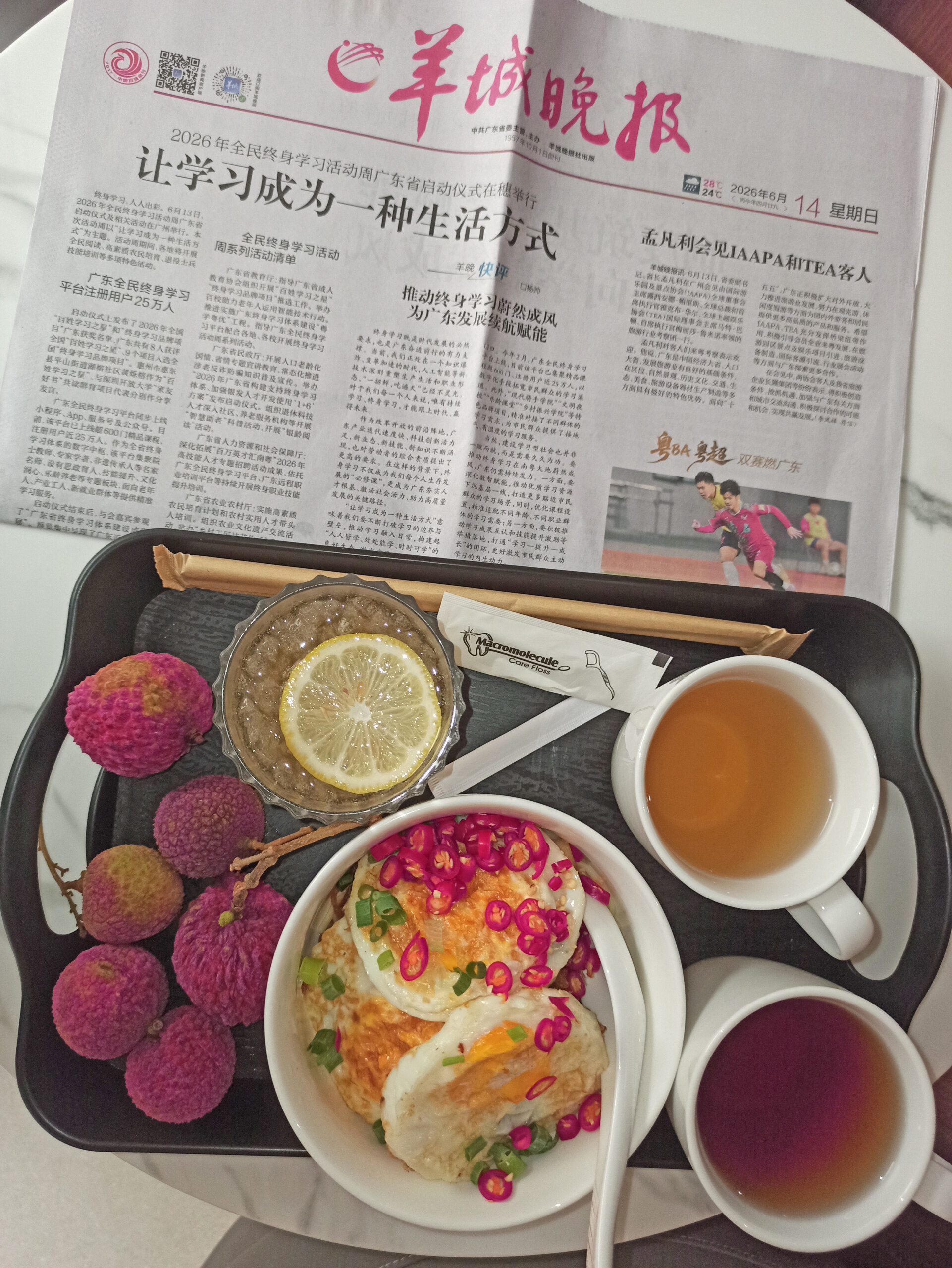
I made it to the terminal early so that I can get a nice walk in, especially to see what had changed since my last time there a few months ago. For sure, more shops and restaurants had opened, but the best part about it was temporary– a lychee stand.
I made a royal sampler, with a couple of lychees from each of the four or five baskets.
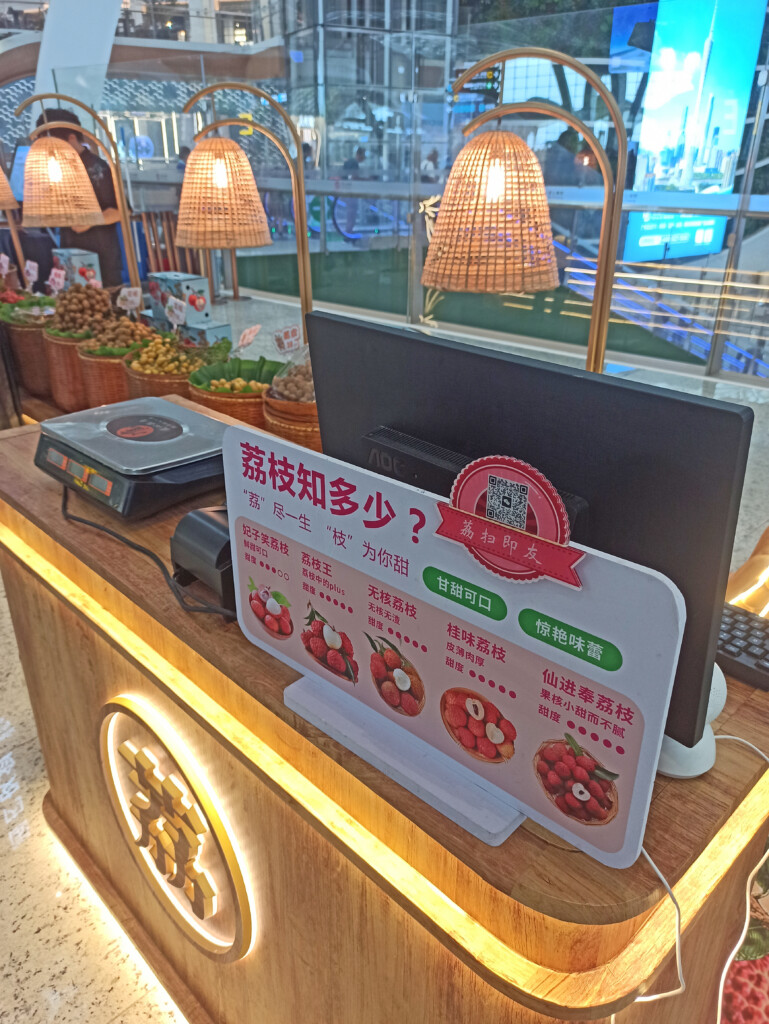
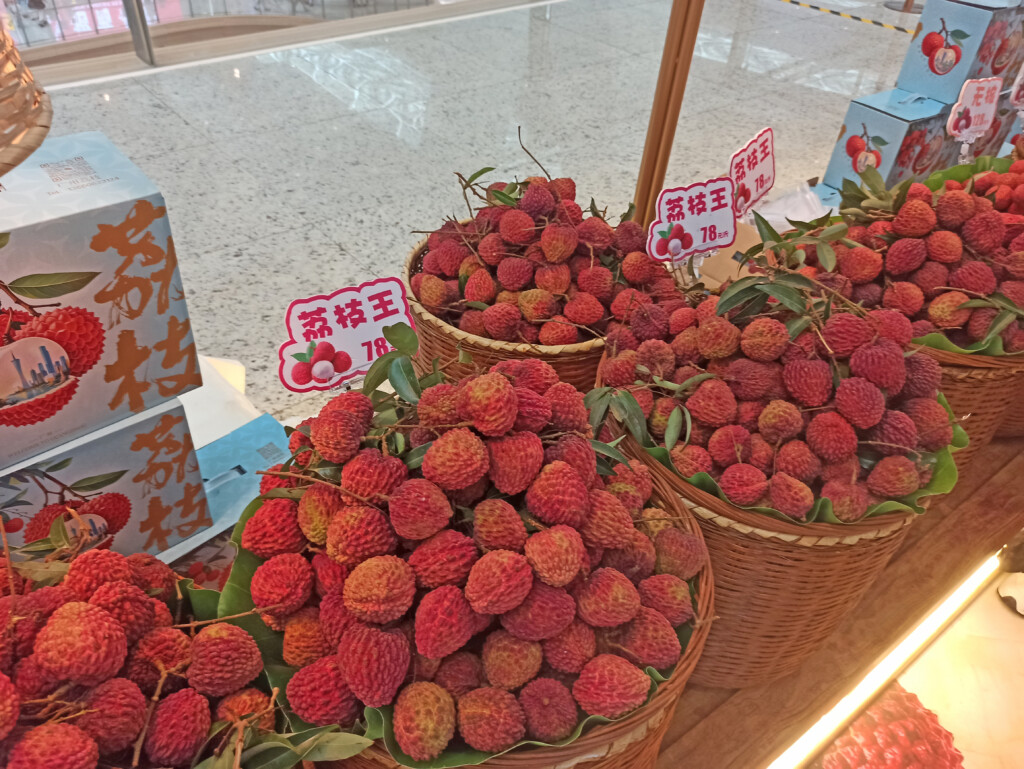
One nice aspect about flying Air China from CAN Terminal 3 is that it has its own security checkpoint which then directly deposits passengers into the lounge. The only other airports where I can recall this direct security – to – lounge access were the old Istanbul (xIST) for Turkish Airlines, Tijuana of all places for Priority Pass, and Tokyo Haneda (at least for JAL).
Air China Airport Lounge at Guangzhou (CAN) Terminal 3
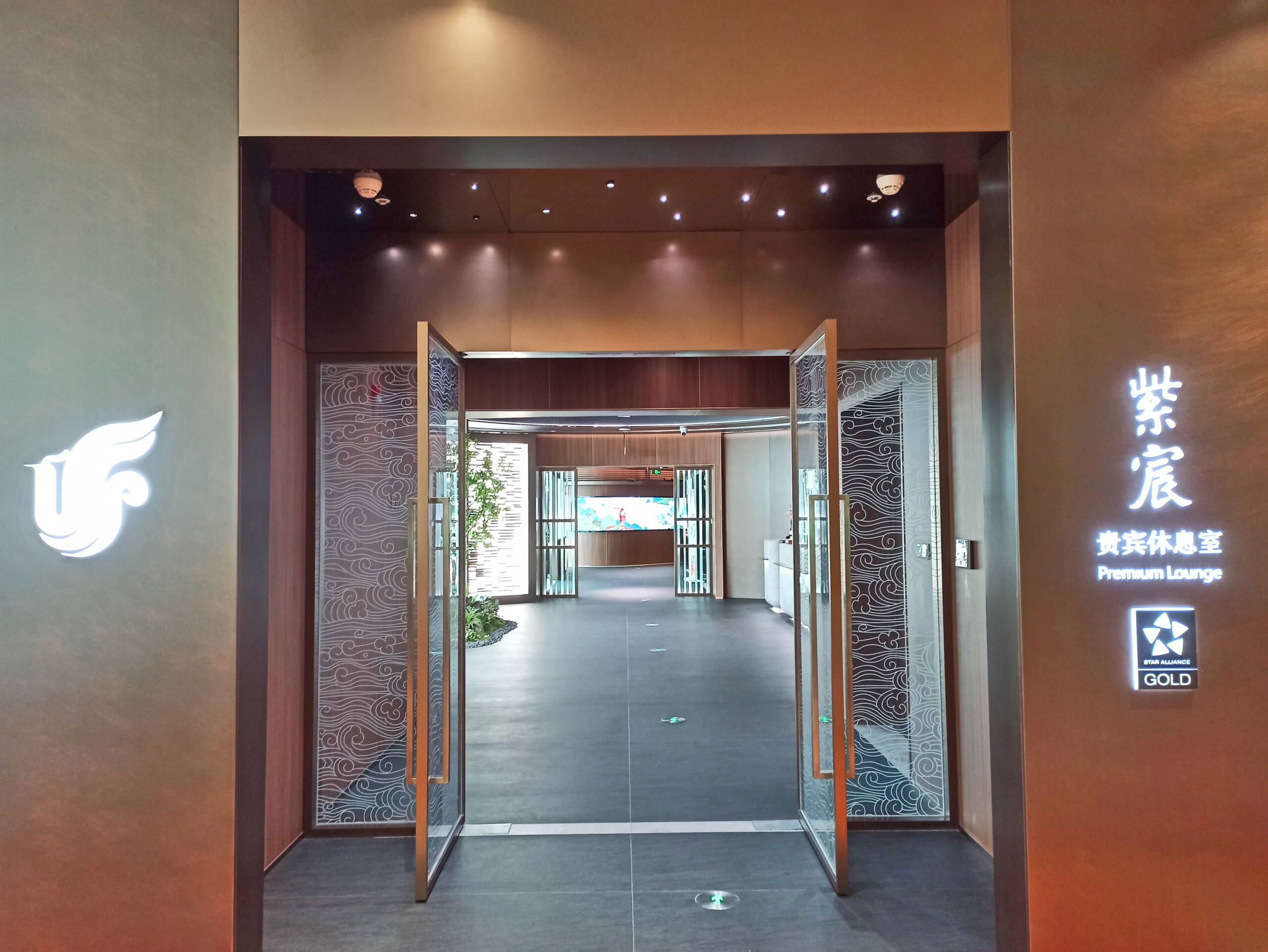
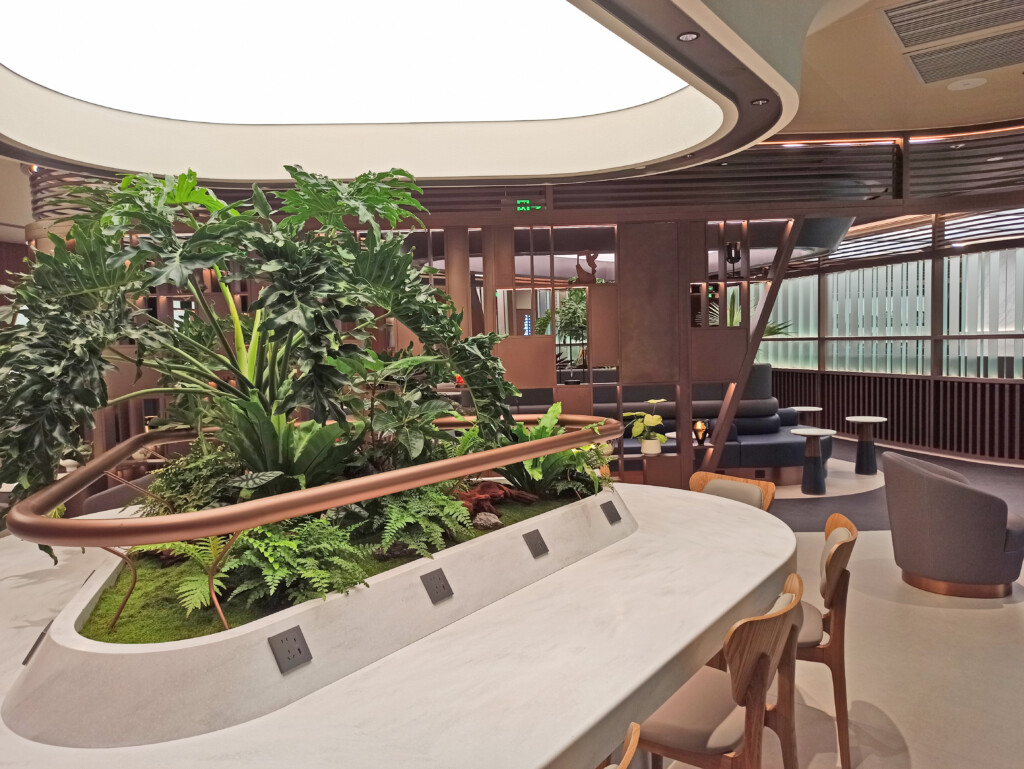
The lounge still felt quite new, but what really helped was the lack of other passengers. Weather issues led to a lot of cancelled flights that day, so I had the back part of the expansive lounge mostly to myself.
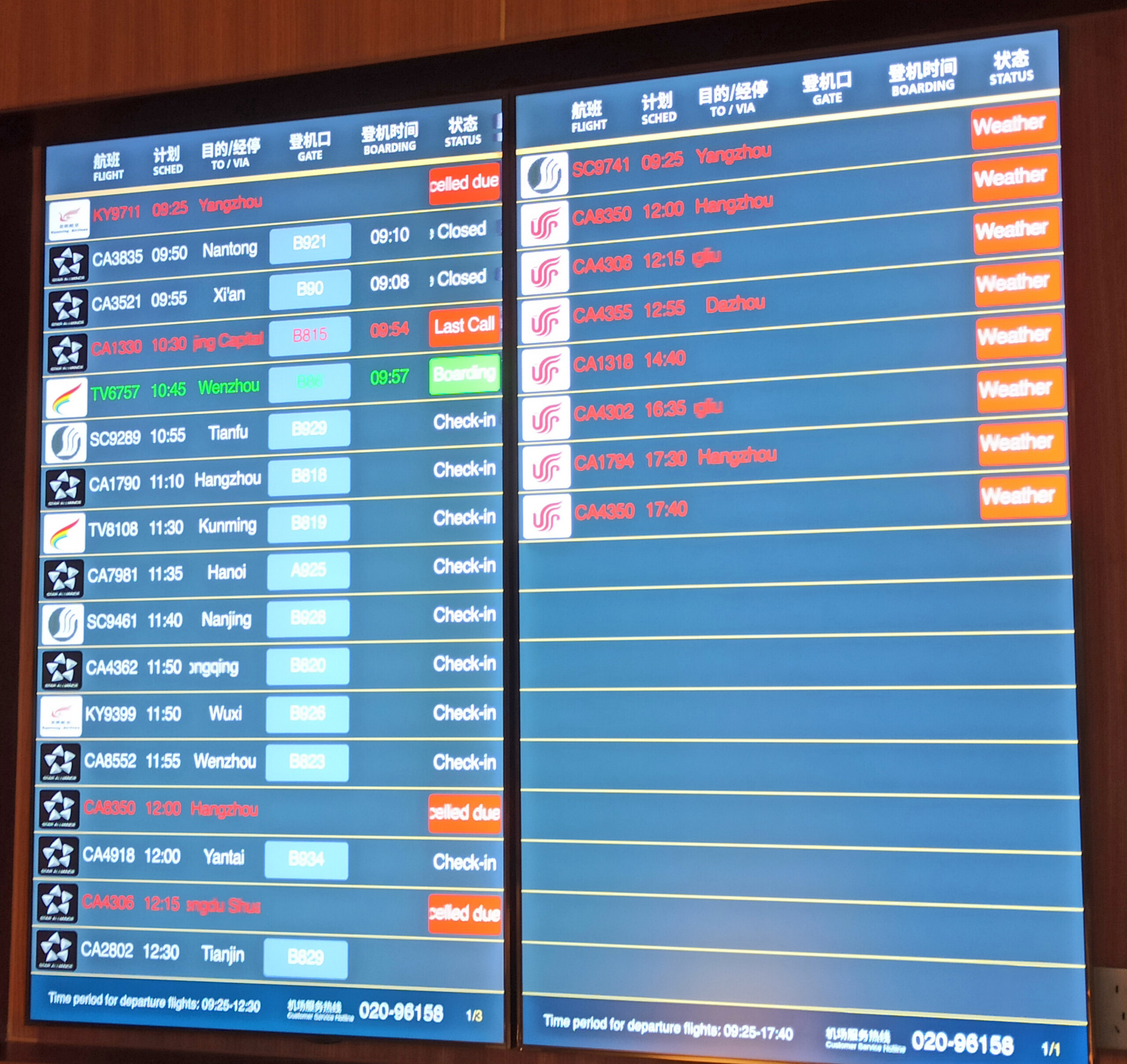
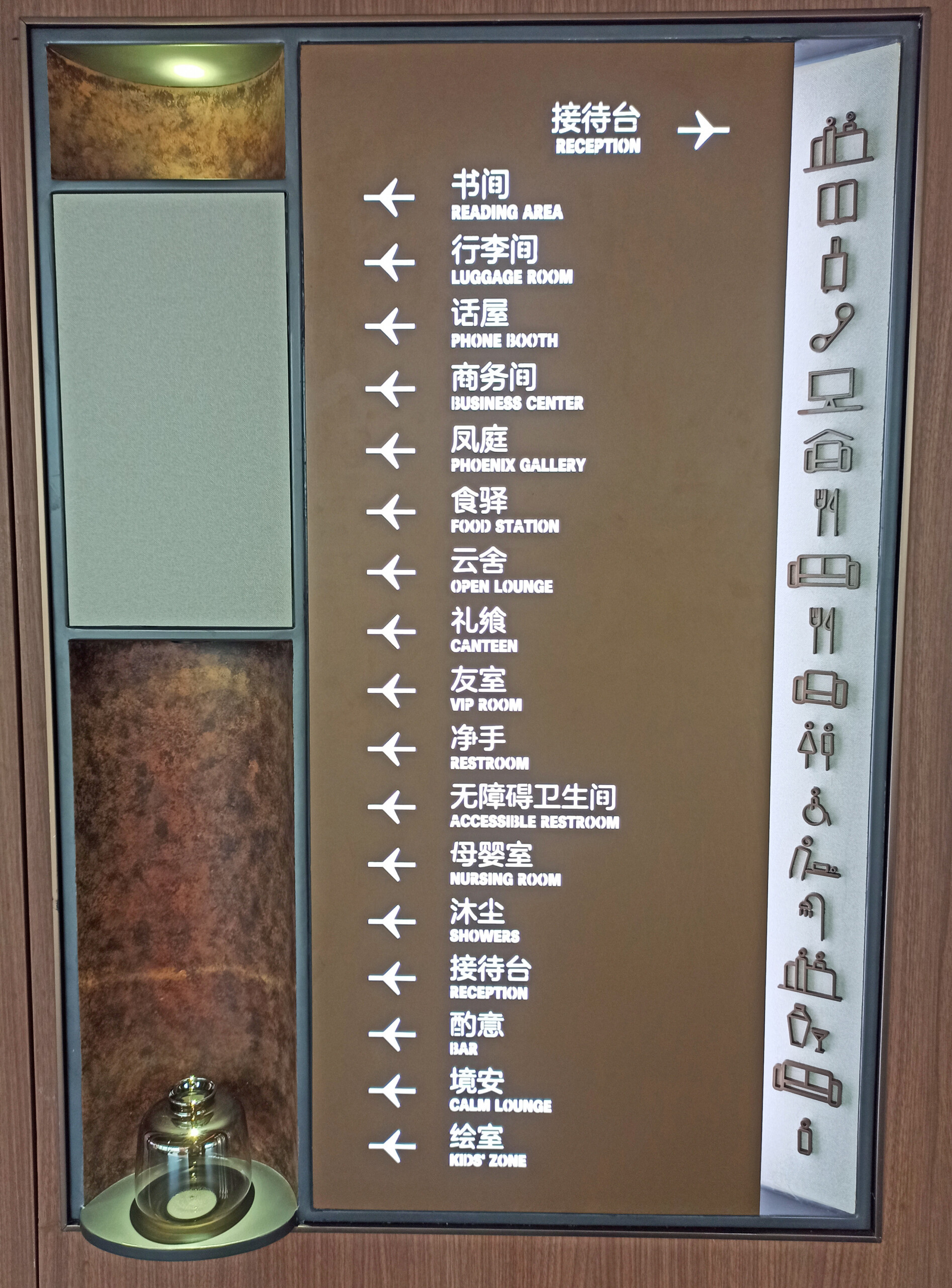
The lounge has a variety of amenities, from food, drinks, and a small bar to luggage storage, a children’s play area, nursing room, and showers.
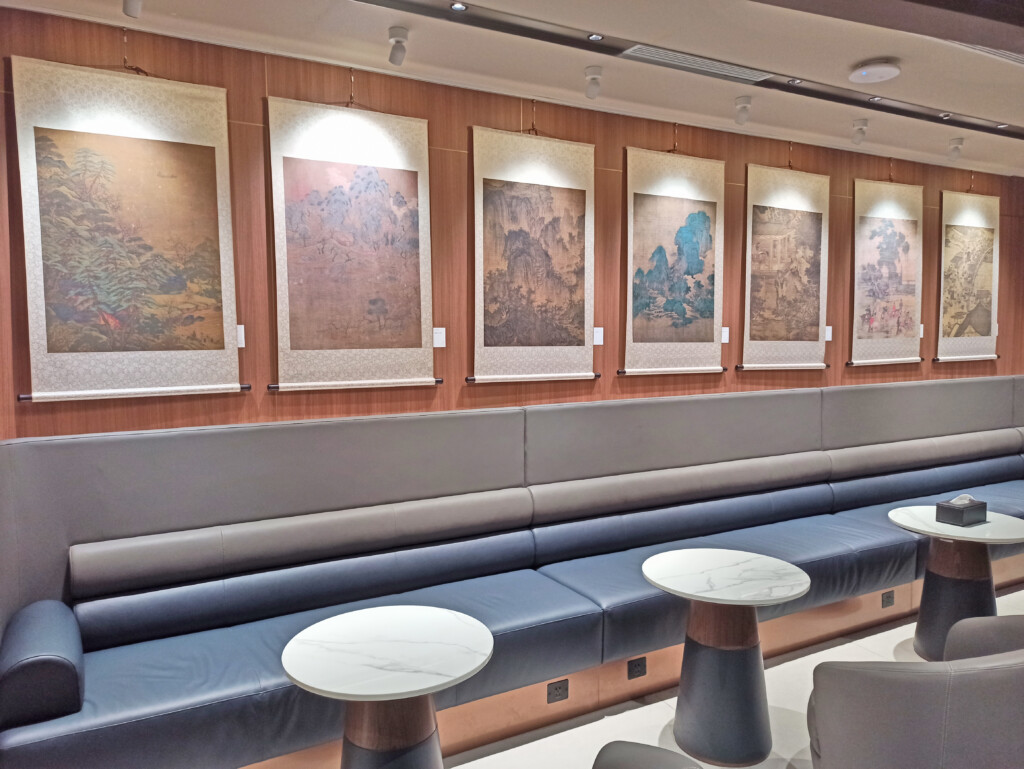
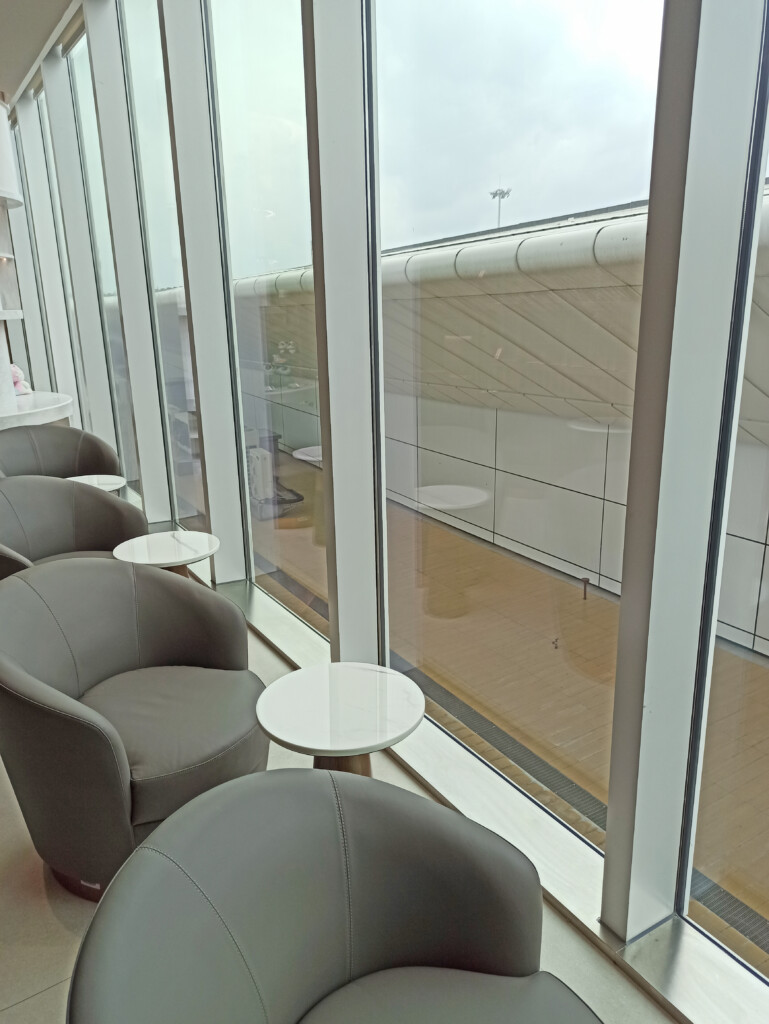
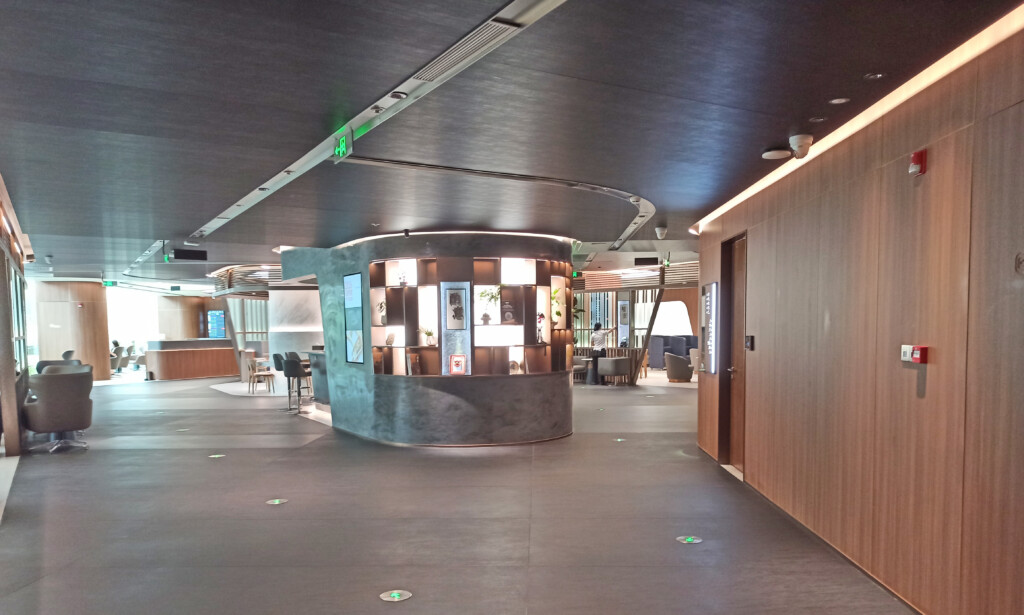
And you know what…those showers might have been the best I’ve experienced in an airport lounge. A very specific claim, but yeah, rare kudos to Air China.
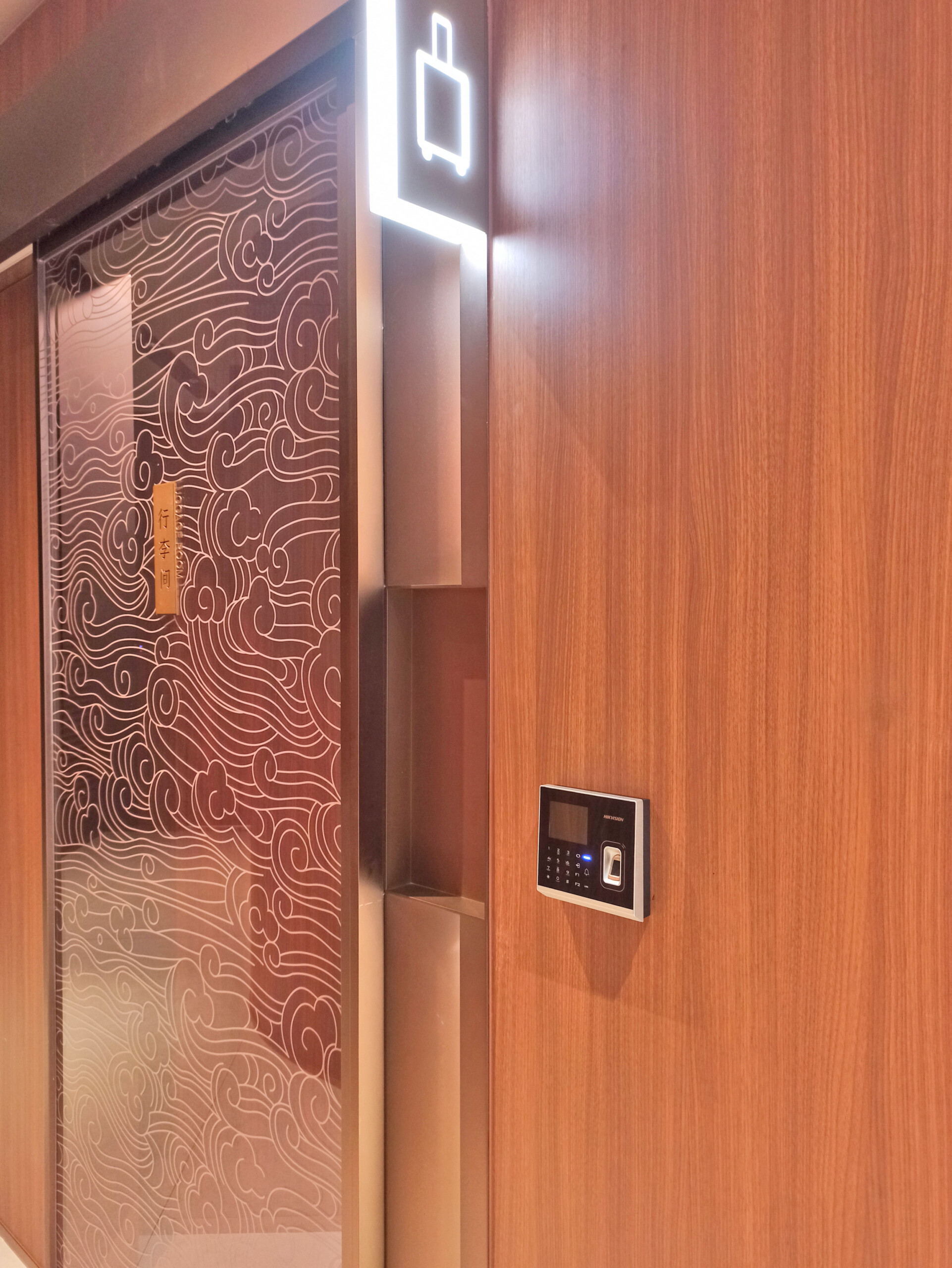
p.s. the showers and luggage storage (and perhaps other rooms) required fingerprint verification from staff. How very China.
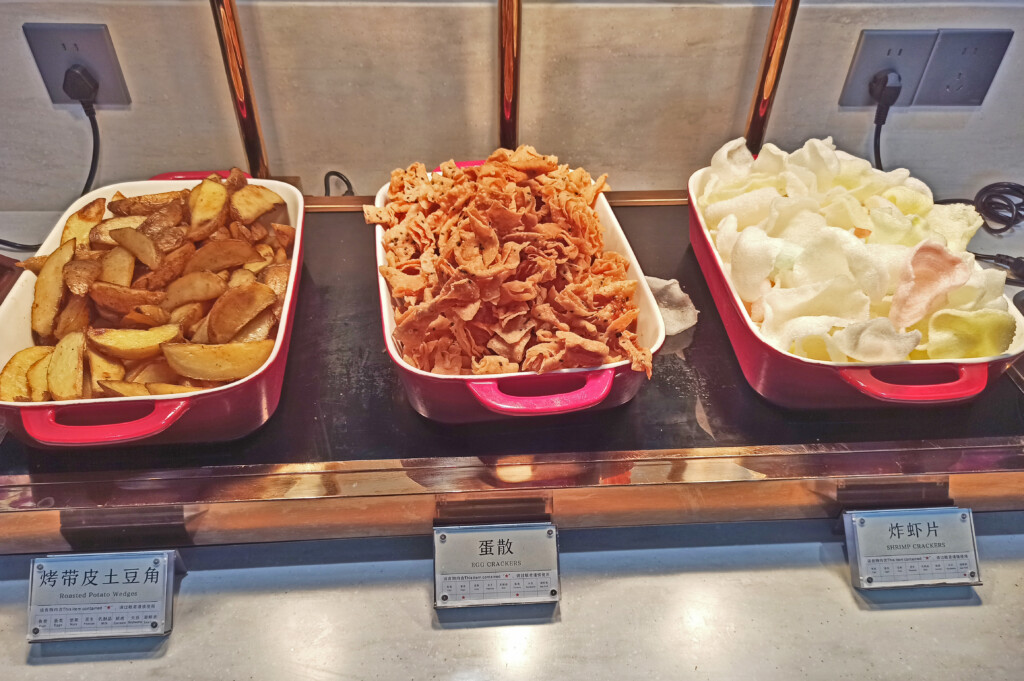
For whatever reason, there wasn’t much food out during my 2+ hours (around “lunchtime” no less), but some noodle soups were available to order.
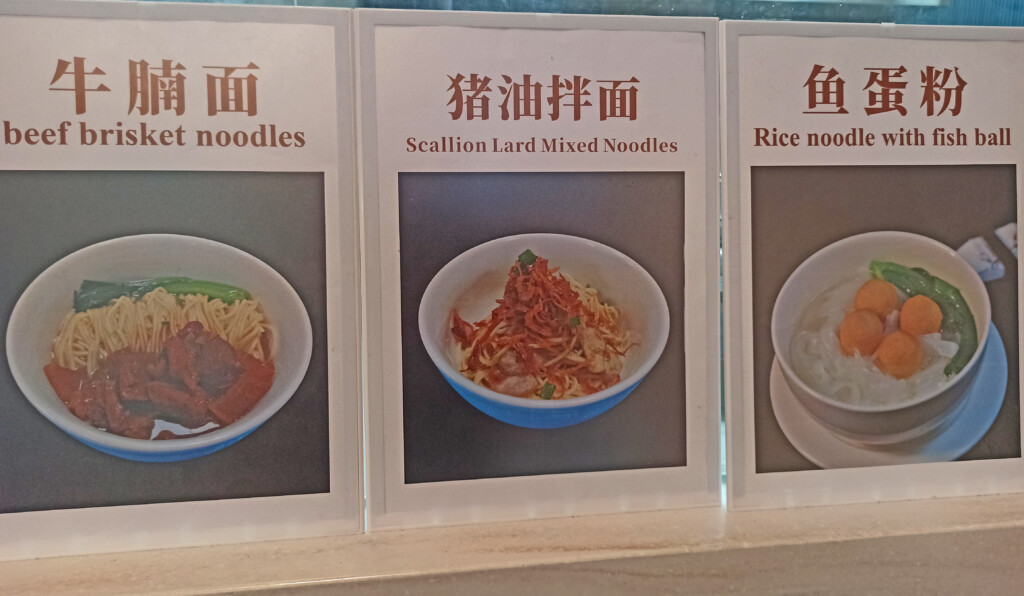
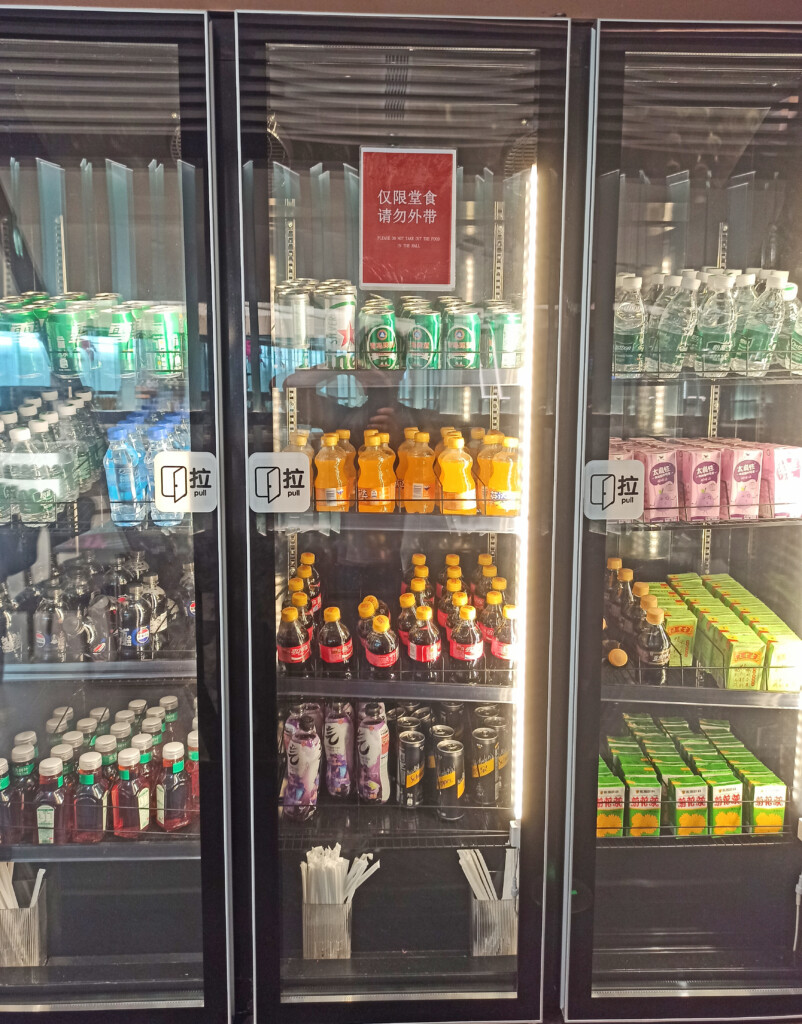
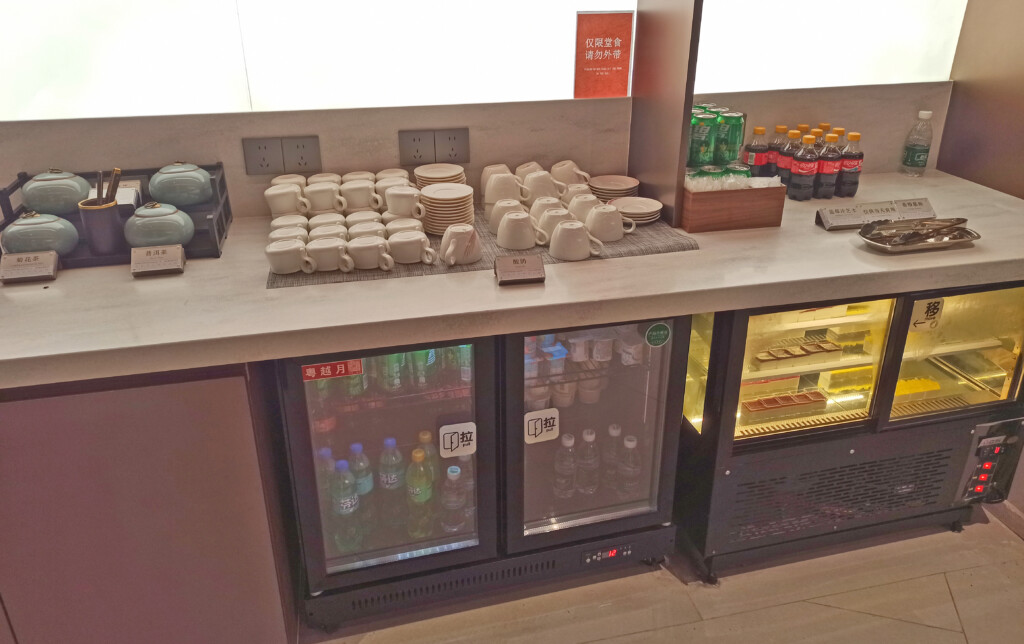
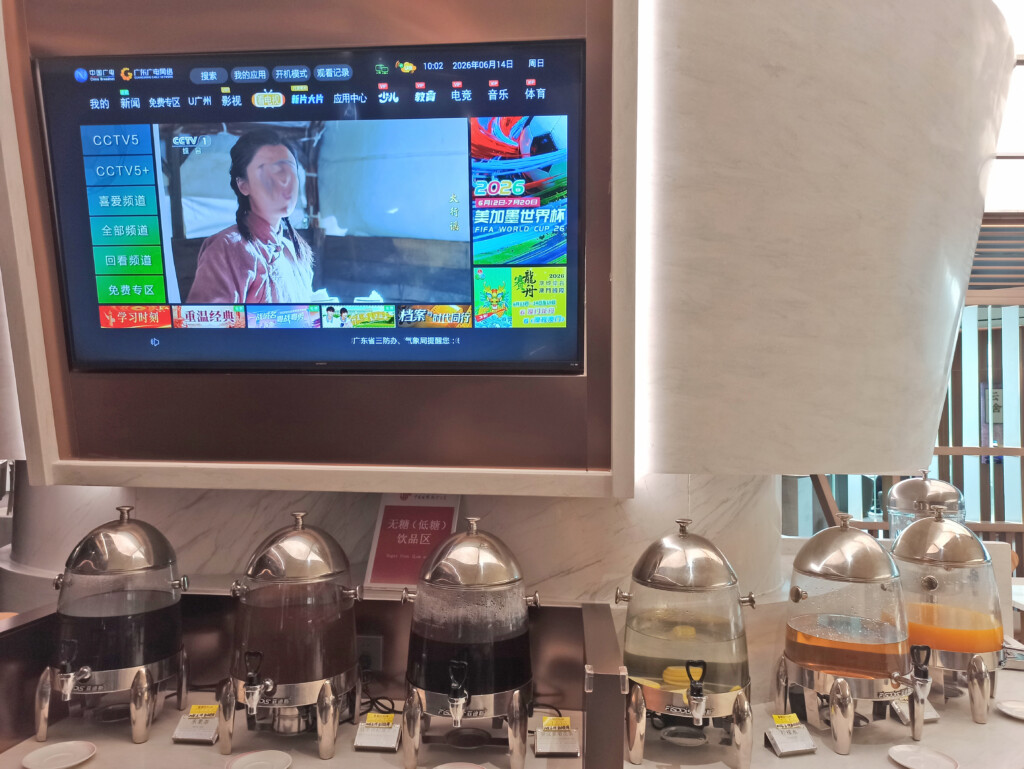
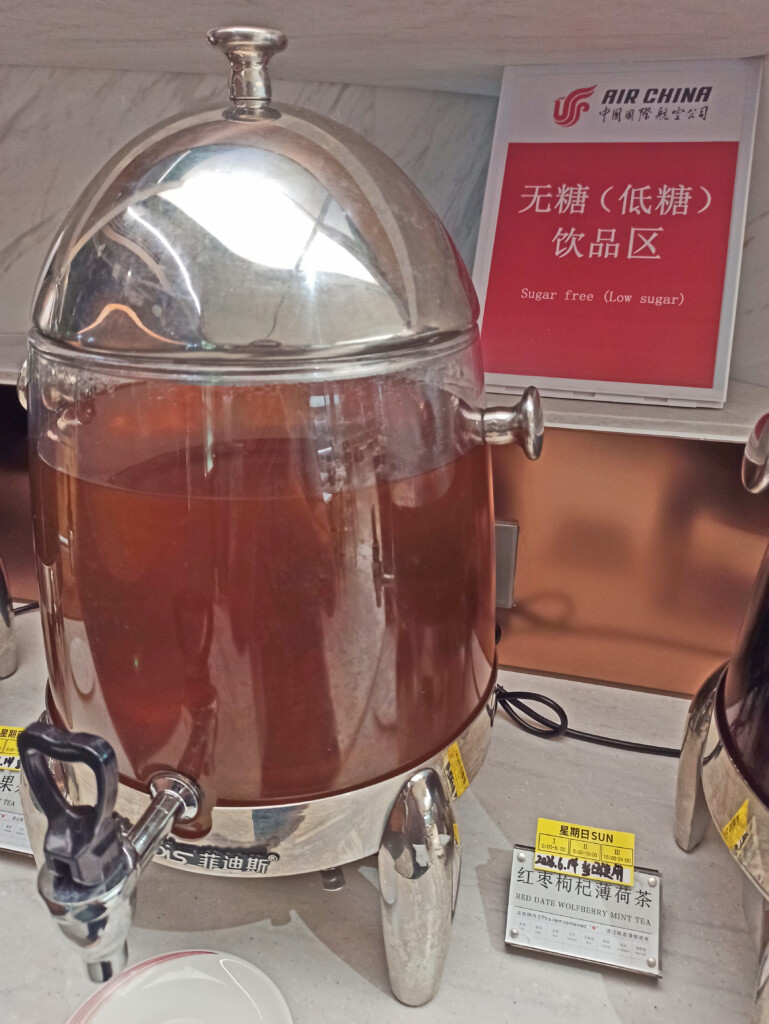
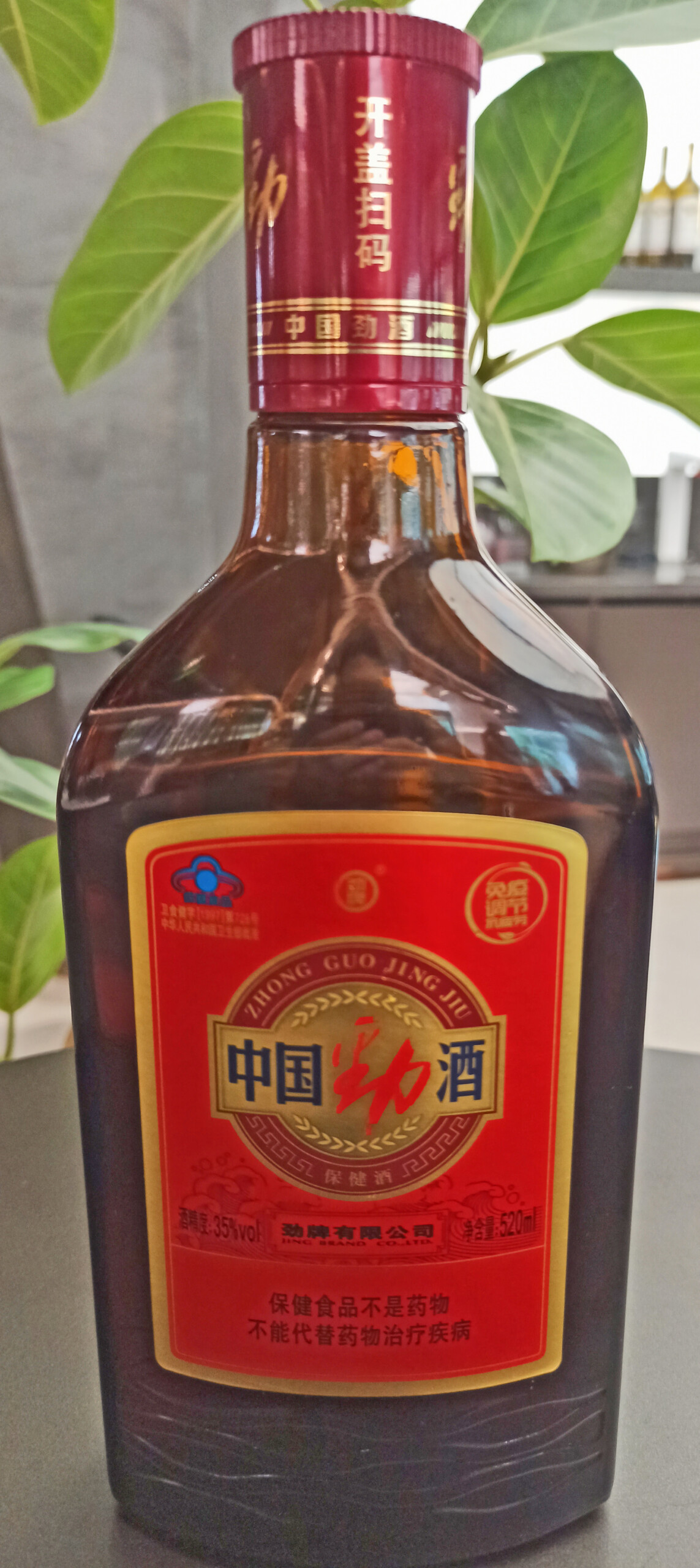
The little bar was in aft section of the lounge. The rare times I do drink alcohol, it’s to try something local/regional.
Also in the aft section was an outdoor space. But this is China, so the priority goes to smokers.
I’m not saying it’s clean air — not at all — but why not save this space for everyone else? Hong Kong (HKG) does it one worse, and makes outdoor access both small and smoker-friendly. Morons, all.
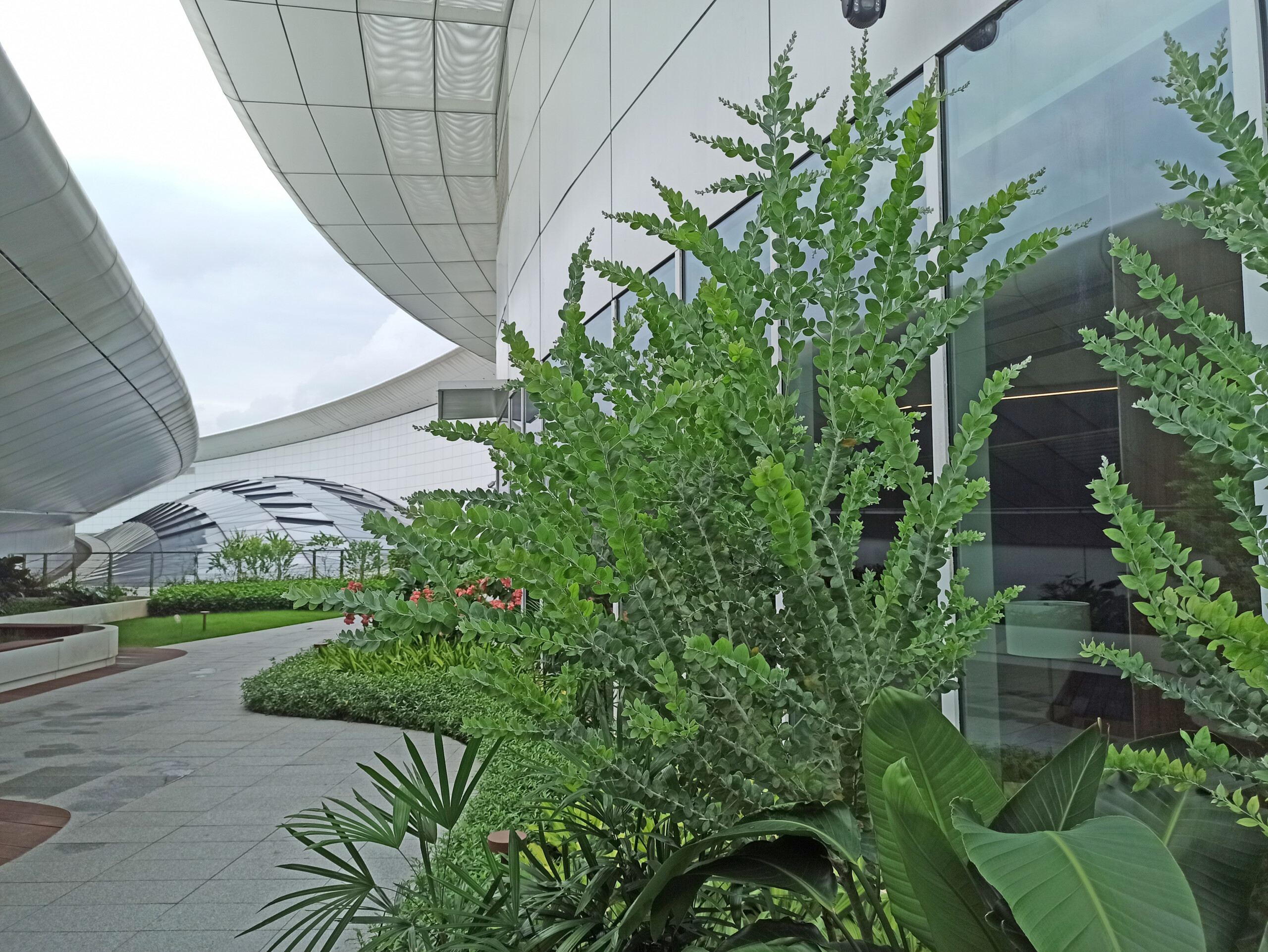
Soon enough, boarding time came for my Air China domestic business flight (no announcements are made), so I exited from the lounge to the main terminal.
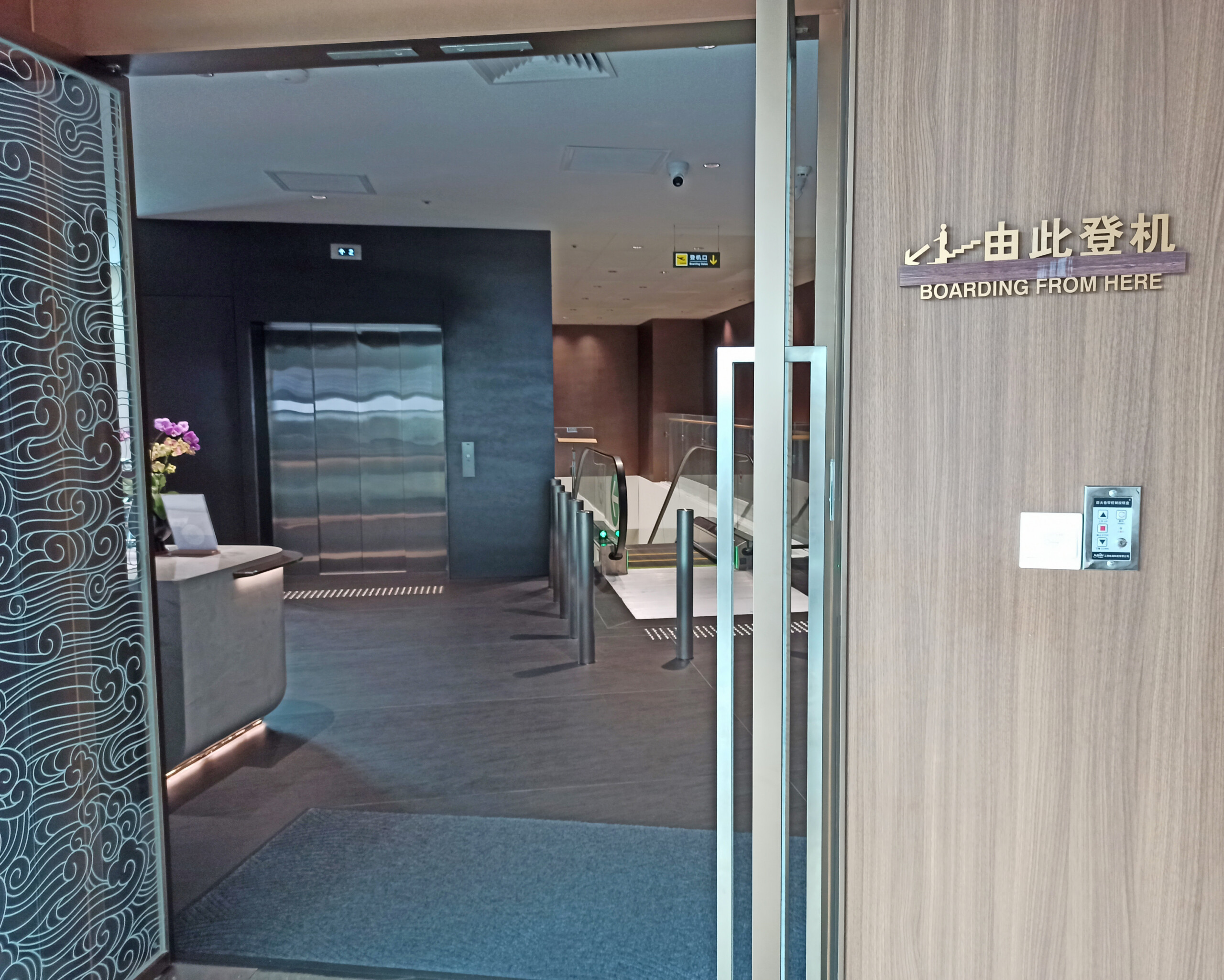
Flight
After heading through the priority boarding lane, I took my seat by the window; business class was full save for one space As is typical throughout the world now, I had to wave my hand over my neighbor’s phone (i.e. PAY ATTENTION) to reach the seat.
A flight attendant came by with an offer of non-alcoholic drinks, from which I opted for coconut water. After the doors were closed, she stopped by again inquiring about my lunch. I tend to think that Chinese air catering is terrible, but given that I hadn’t flown Air China in business for 15 years, out sprang the benefit of the doubt.
I didn’t bother checking the in-flight entertainment because I really wanted to nap. Each seat had its own old tv, in addition to the drop-down televisions that the entire cabin could watch. A blanket, pillow, and slippers were also provided.
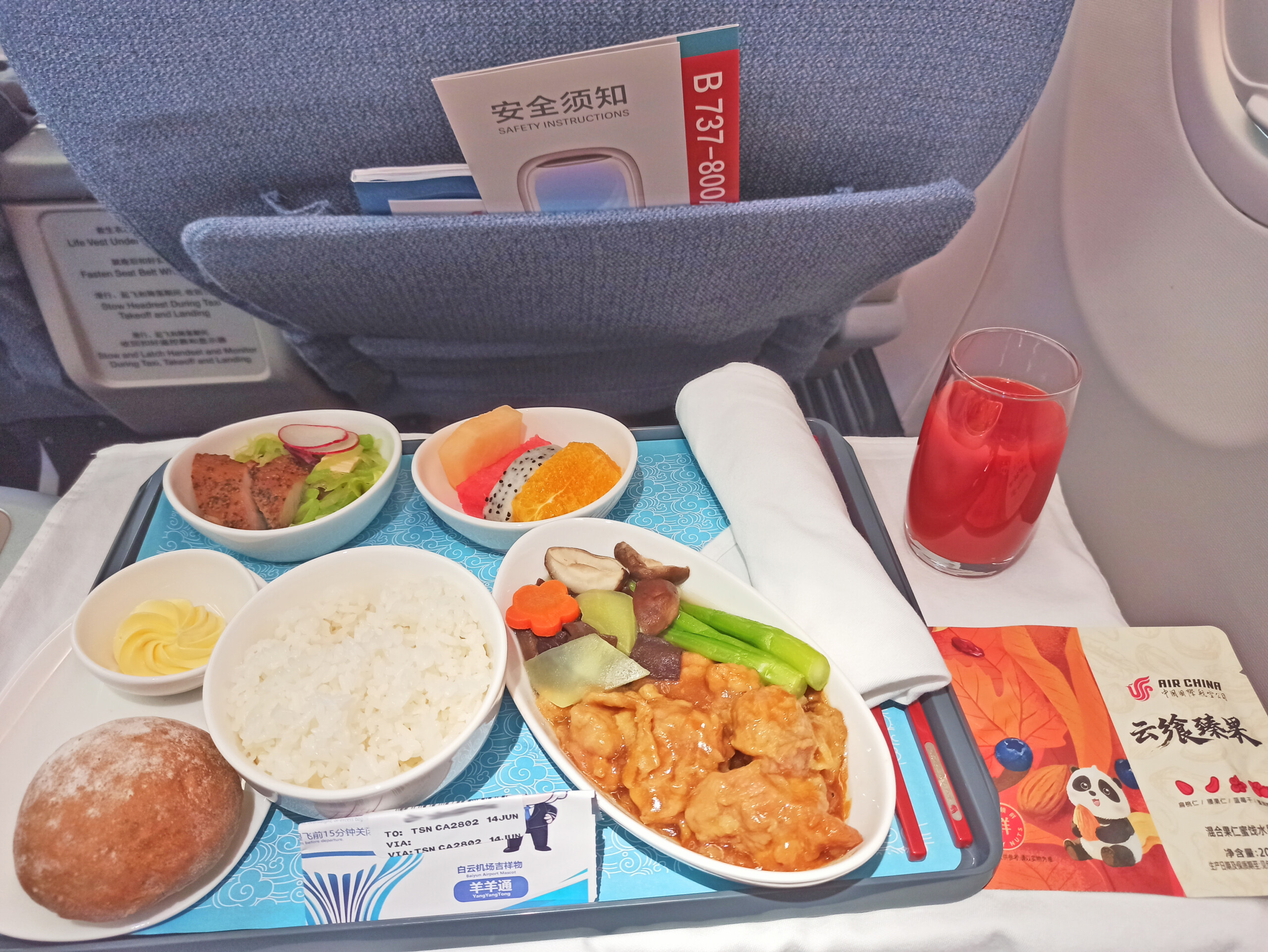
The meal service was quite efficient, but to this day I don’t know what I ate. The whipped “butter” could have been made of anything, and the goop meat was more likely meat goop. It didn’t taste bad, but that’s what goop is for.
My standard issue drink order is tomato juice, but I know they also had a small menu of juices, tea, coffee, and alcohol.
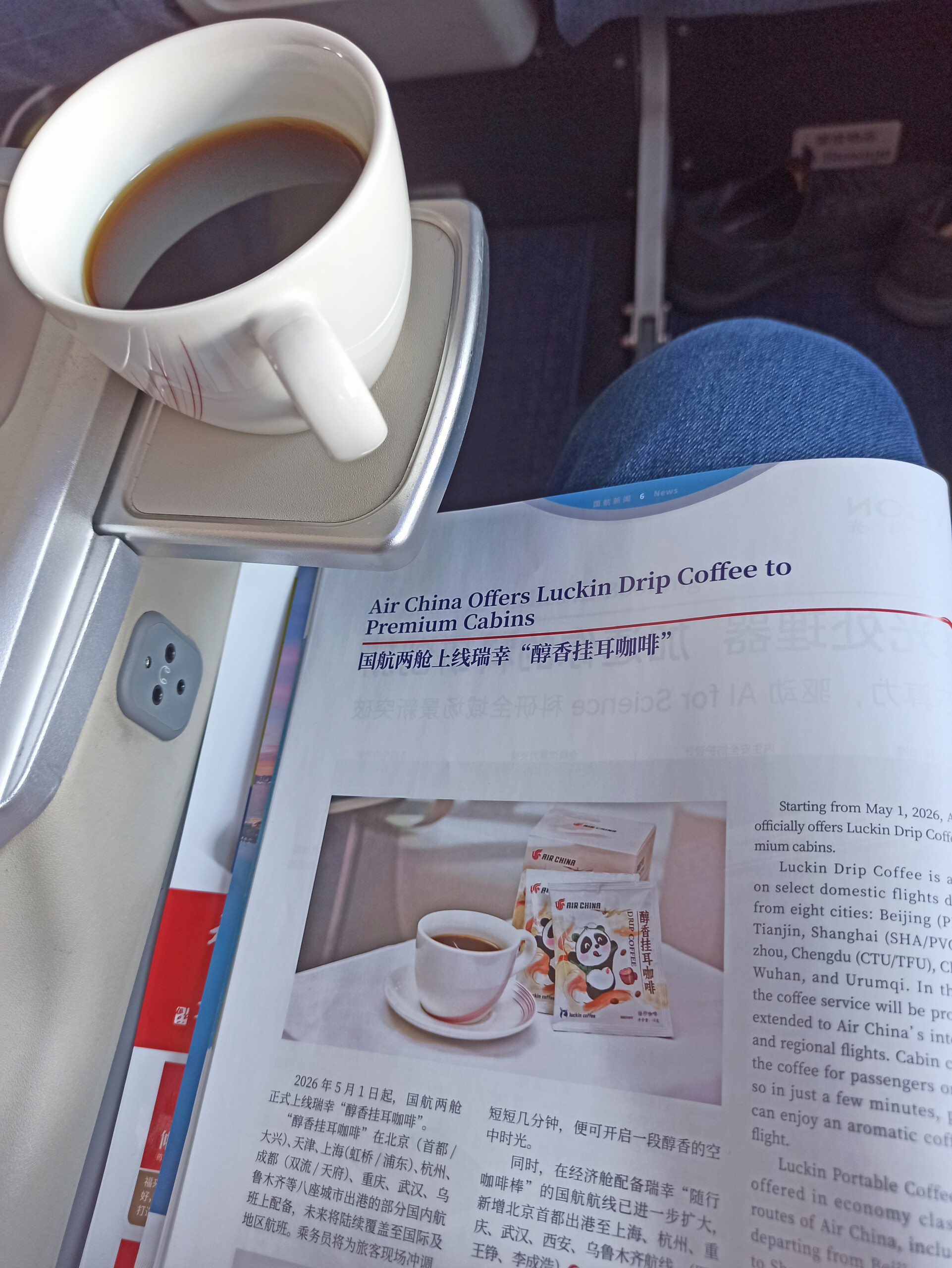
Roughly one hour before landing (the flight takes just under three hours), I started getting a headache. I ordered a Luckin Coffee (it’s a Chinese brand) to see if the caffeine would help ameliorate the pain.
Sure enough, it did.
Once the flight landed, it was a brief taxi to the terminal. For disembarkation, I wish that the flight attendant had closed the curtain for economy class…oh, well. Then again, I think that Chinese airlines tend to have at least one air marshall-type onboard, so I think this one got up in front of all of the other passengers to let business class disembark first.
Reclaiming my suitcase at baggage claim took around 10 minutes, and before long, I was on Line 2 of the metro to Tianjin station.
Tally ’em up
I think it helped that Air China used one of the mainland’s newest lounges, because its lounge proved to be the exception to their usual dour much of a muchness.
The flight was around 45 minutes, the food was confusing, and outdoor space a typical disappointment. But, the separate security was nice, as were the showers, the fortuitously quiet lounge space, and a functioning priority bag tag.