The Dubai Emirates Business Lounge at Concourse B … oh, a good* airport lounge for once. (We’ll get to that asterisk later)
However, getting to the lounge wasn’t so peachy. I was in Saudia business, coming into Dubai (DXB) Terminal 1, needing to get to Emirates’ hub over at Terminal 3.
For those in a similar predicament — rather, for anyone going from T1 to T3 — you have a couple of options, with both being annoying.
The easier method is to go through immigration, then hop on the metro between the two terminals. You only have to pass through security once this way (what?)
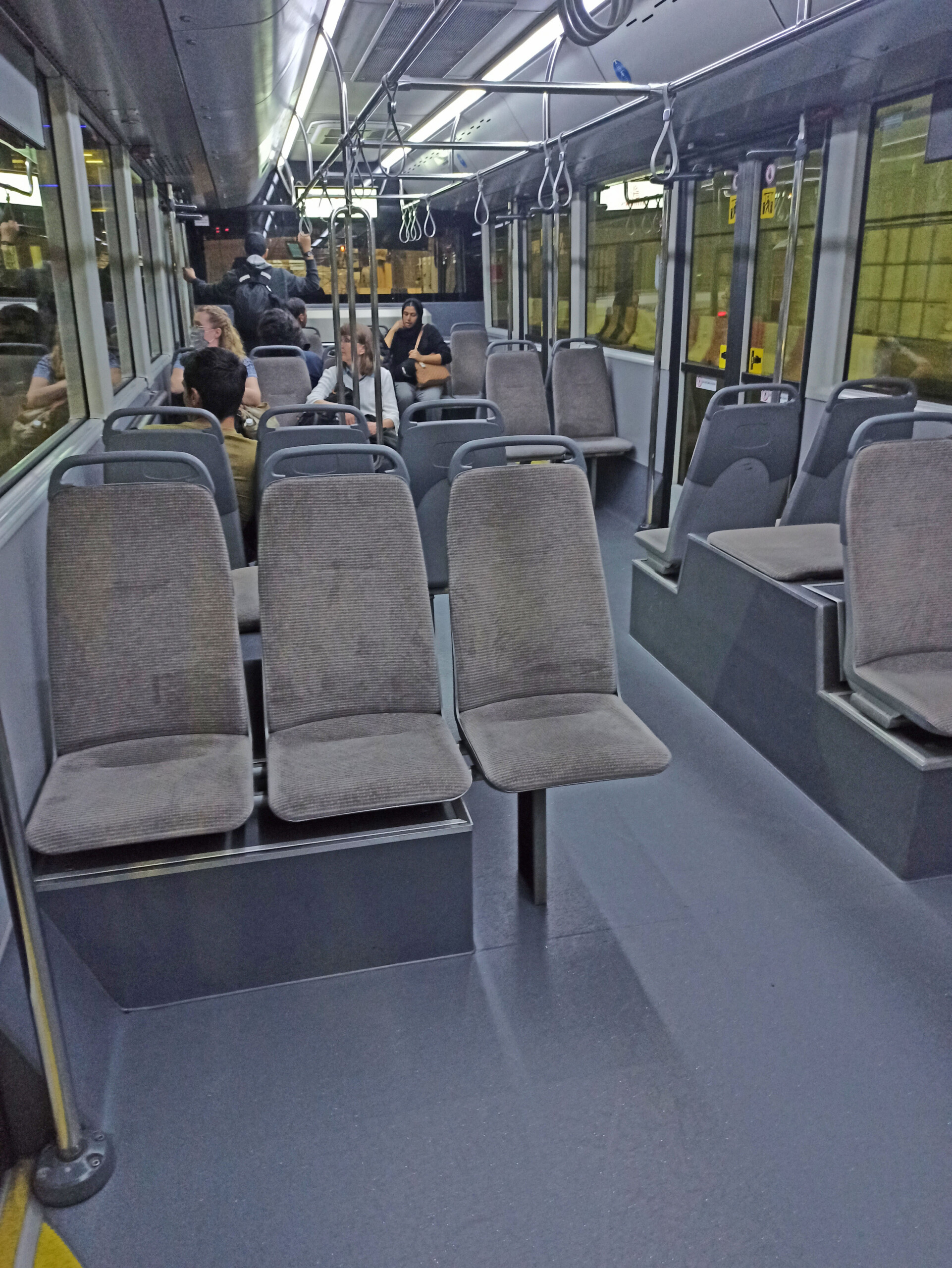
The more annoying way — arguably — is to avoid the temptation to take the T1 train to other gates/baggage claim. Instead, you go upstairs, pass through security, and then take a bus to T3.
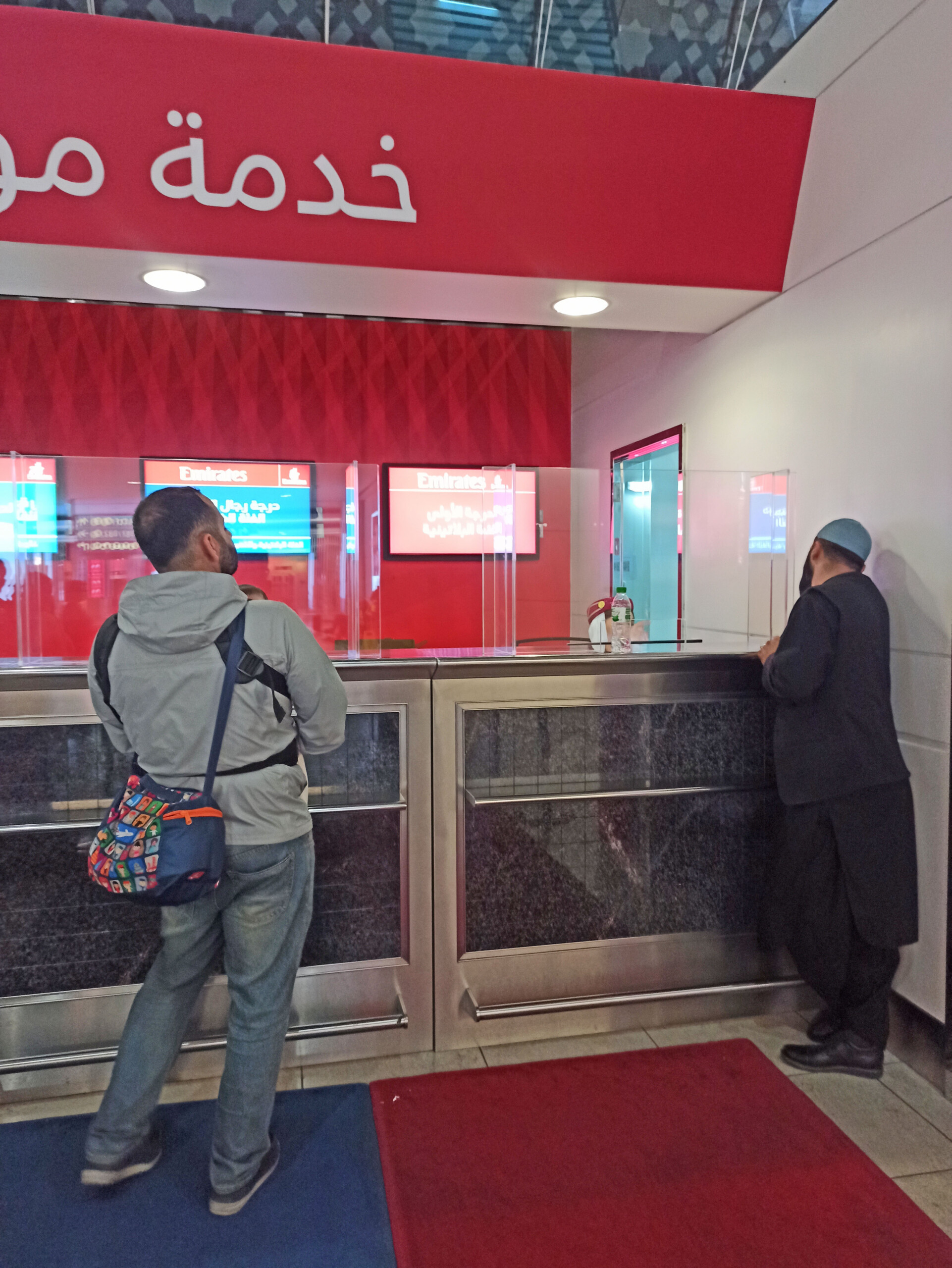
Then, you pass through security again. After that mess, if you don’t have an onward boarding pass, prepare for some inefficient transfer desks, made all the more inefficient by being short in quantity. It’s a big terminal, and there are just a few transfer desks, so let’s hope your online check-in doesn’t go awry (as mine did).
Once all of that transfer stupidity was done with, I made it to the Concourse B Emirates Business Lounge (apparently, the one at Concourse A is a larger lounge).
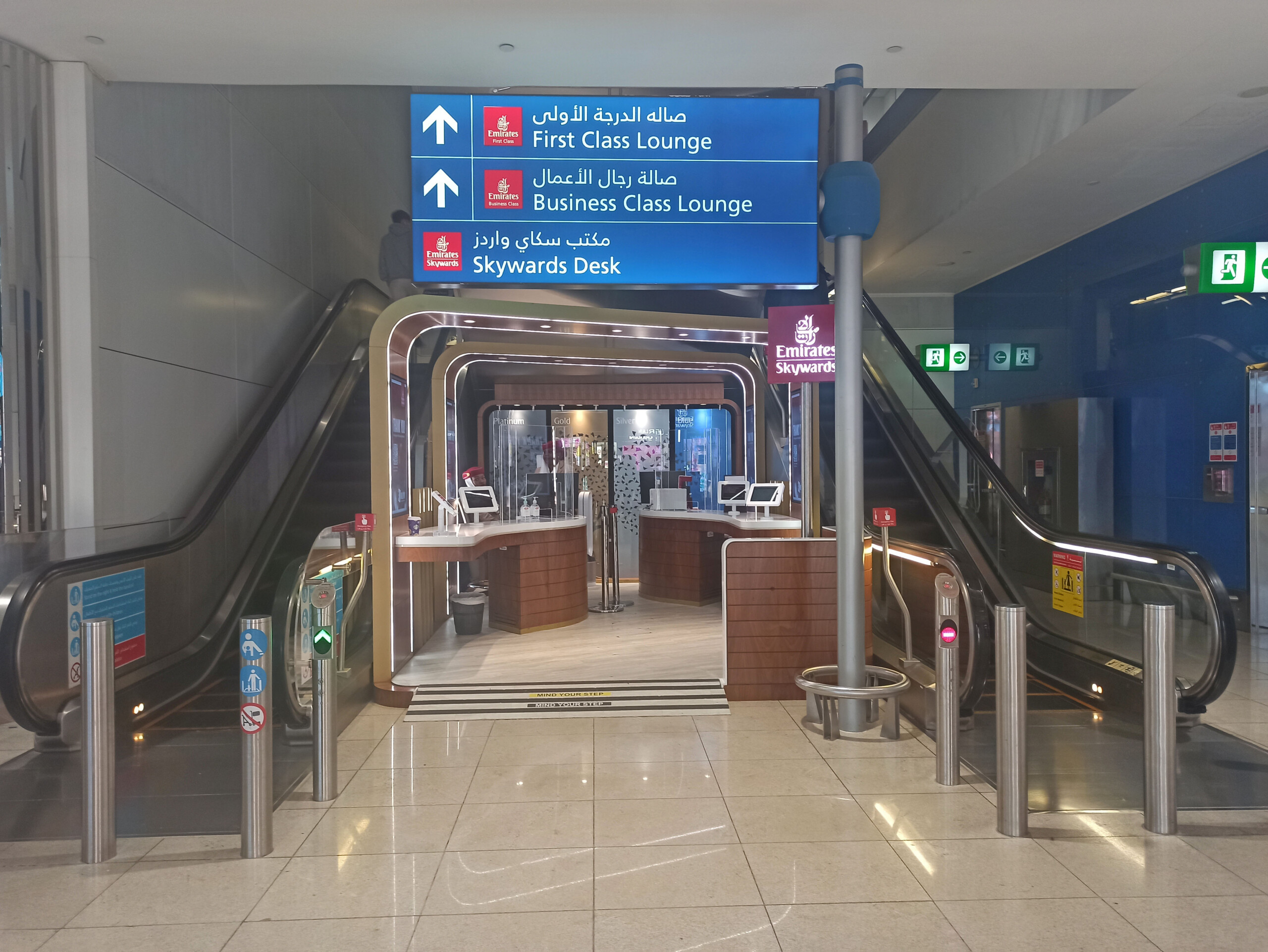
Once your upstairs, you will be greeted by this sign:
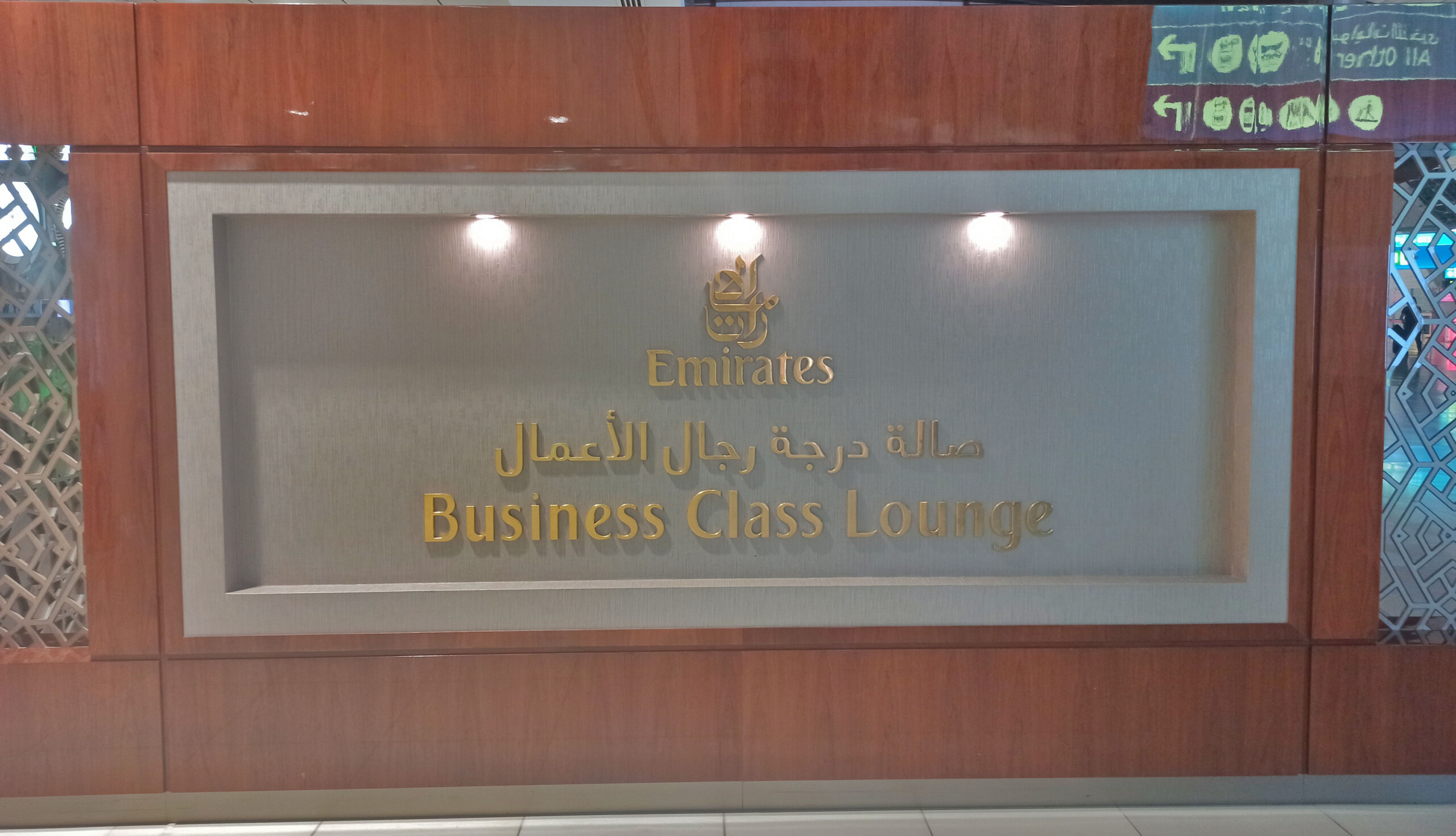
Undoubtedly, this place was probably the largest lounge I’ve been to, bar the Premium Terminal/lounge in the old Doha airport. There’s heaps of seats, things to eat, places to wander about, and to get this article’s opening * out of the way, two issues (at least in my book):
– the smoking section isn’t closed off. It is at one extreme of the lounge, so it’s theoretically easy to avoid, but lounge behavior has never been stellar, innit?
– you can’t store your luggage anywhere. I spoke with one of the lounge managers about this, hoping to go check out the terminal during my lengthy layover; he said that it was legally not possible to have luggage storage.
(then, what’s the point of security checks? also, how do the airport baggage handlers deal with long layovers? never mind leaving bags unattended at our seats as we get up to grab a bite or a shower)
Back to the good/neutral stuff
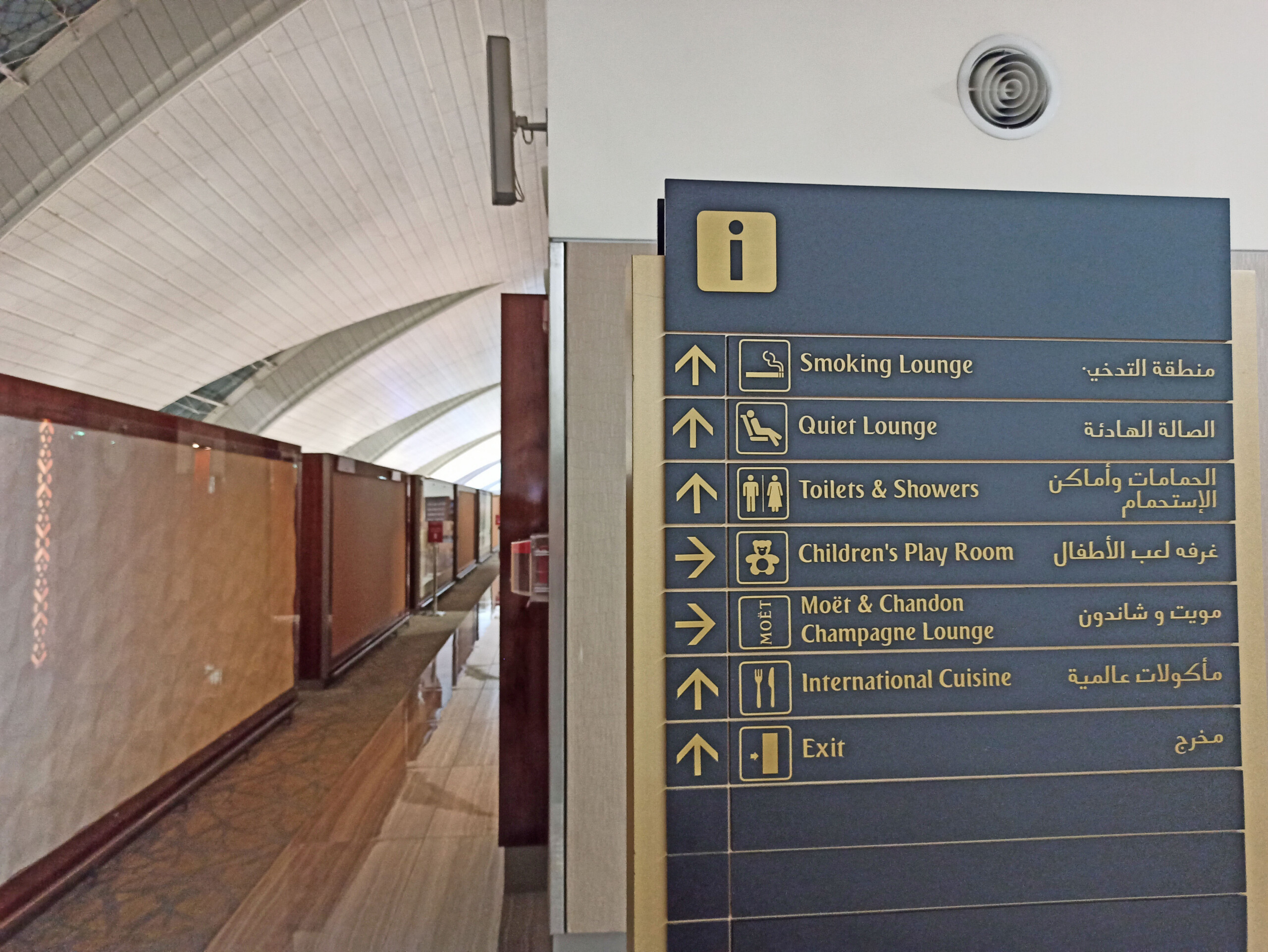
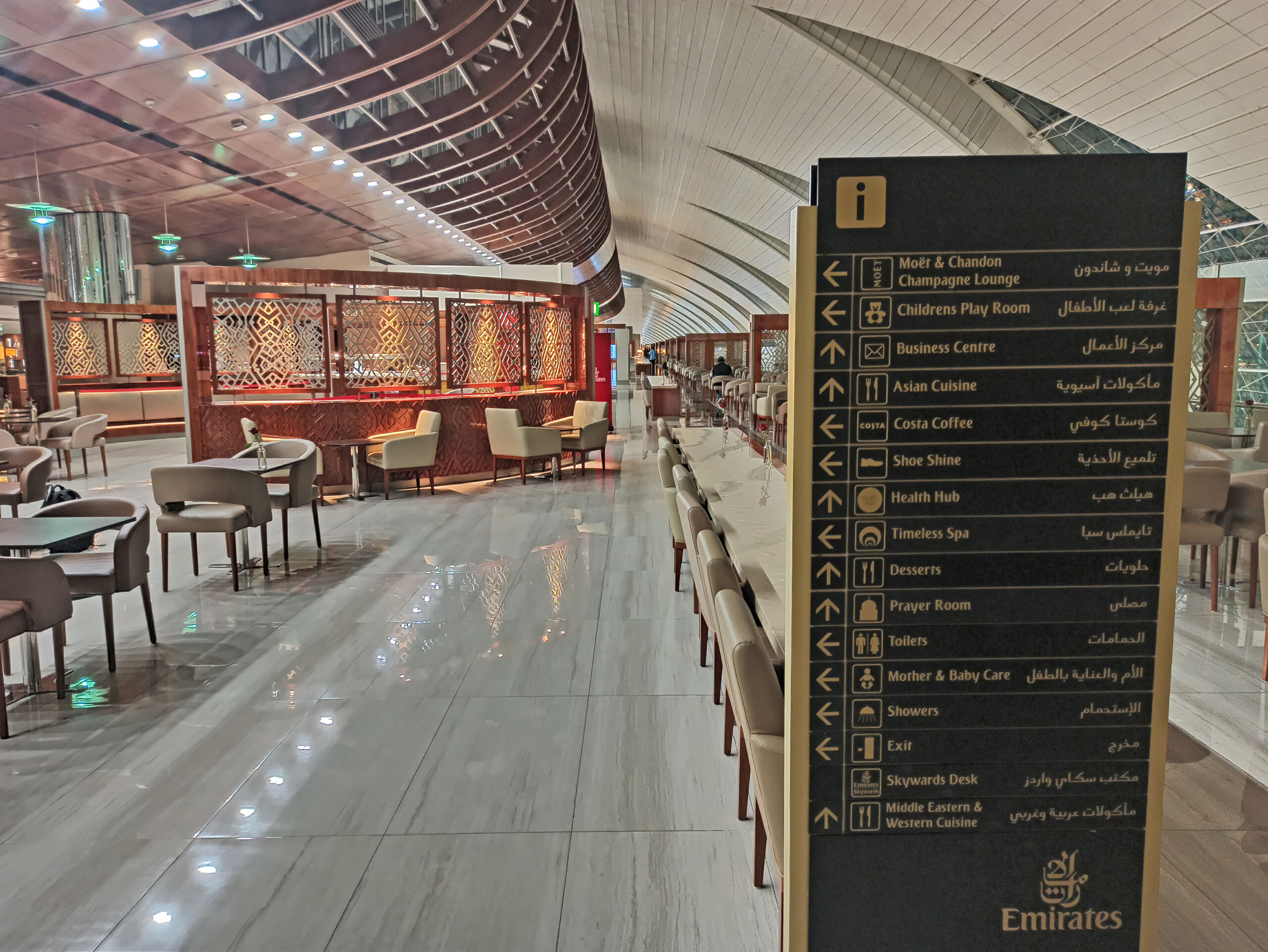
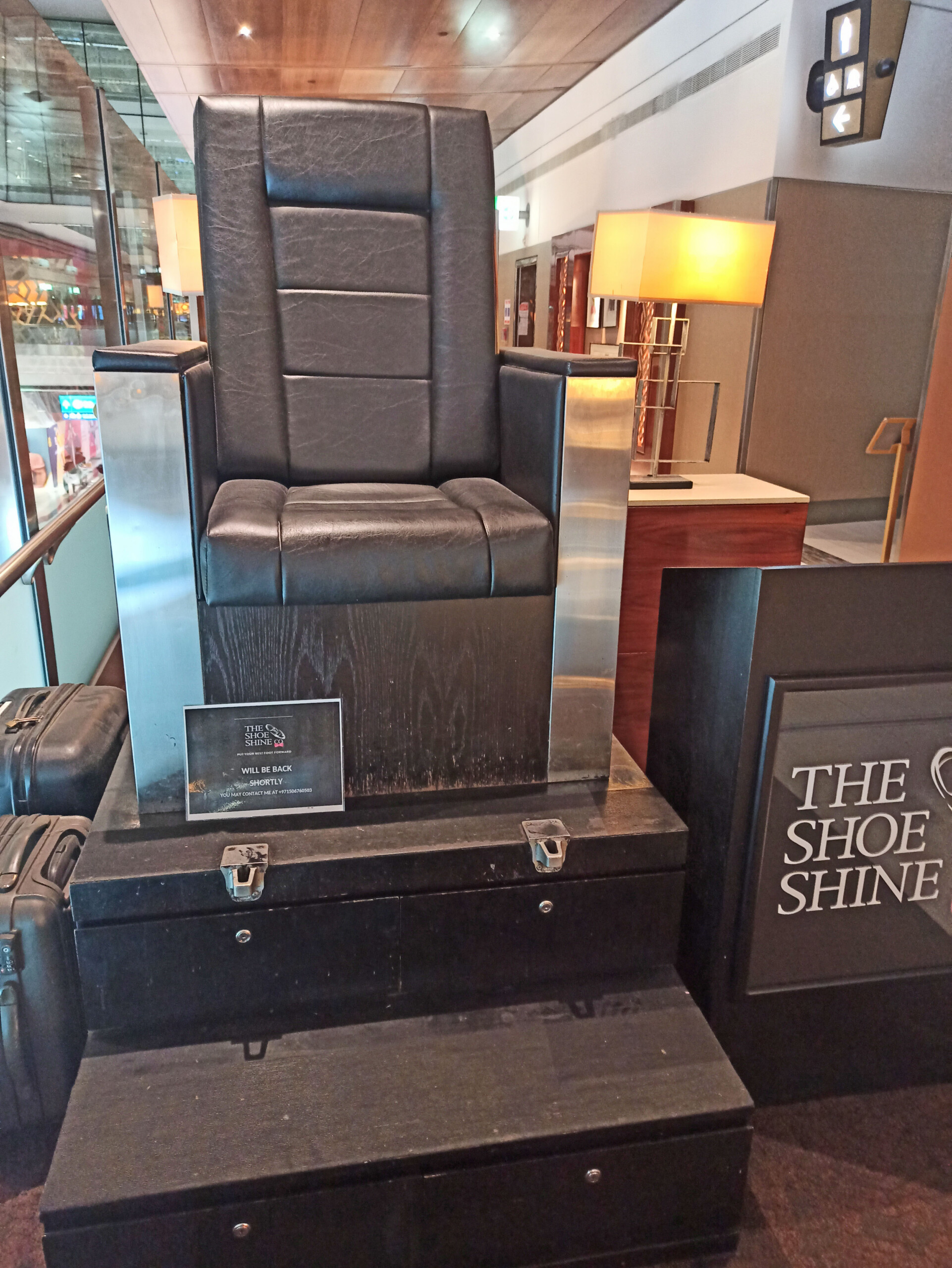
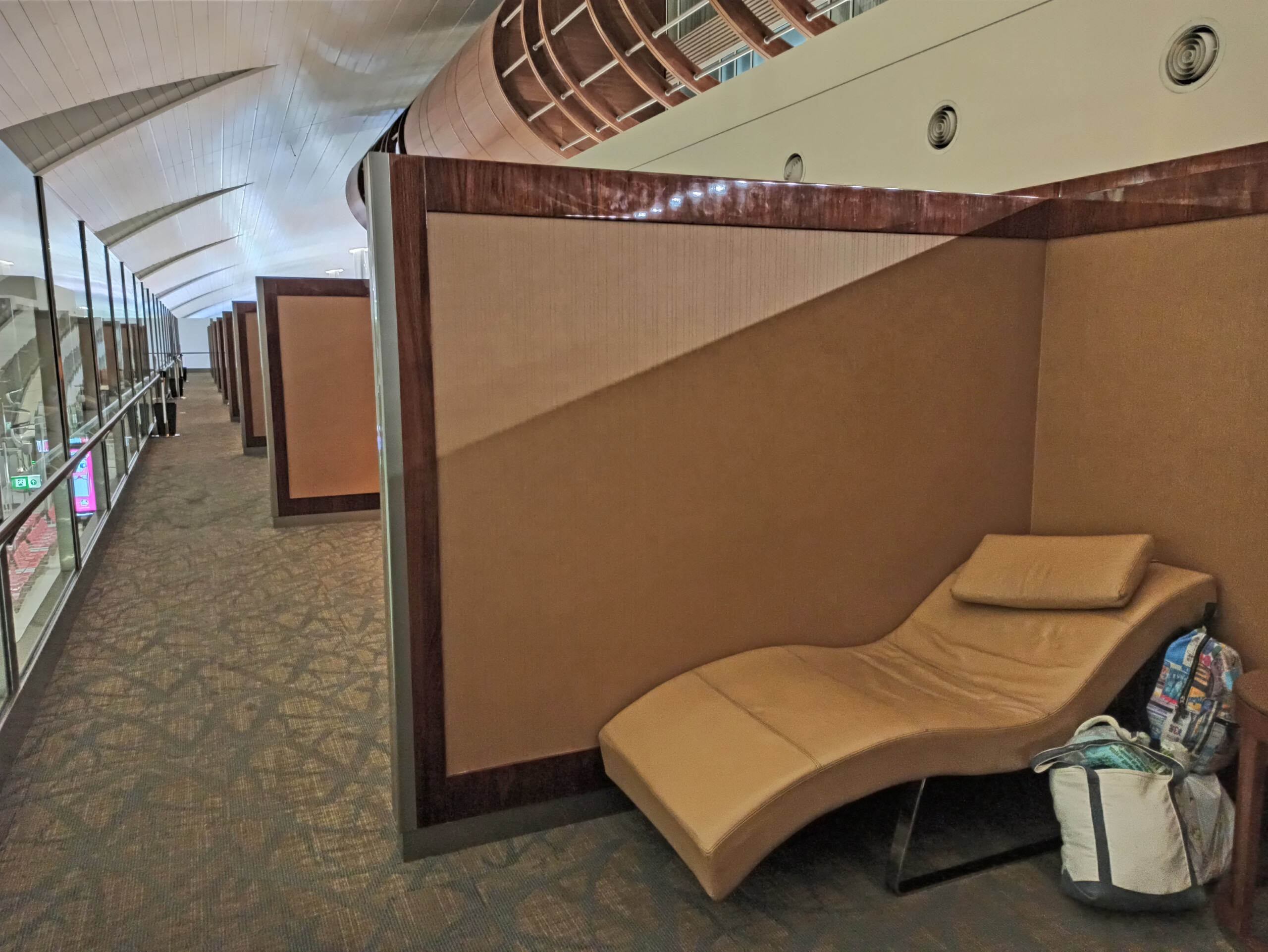
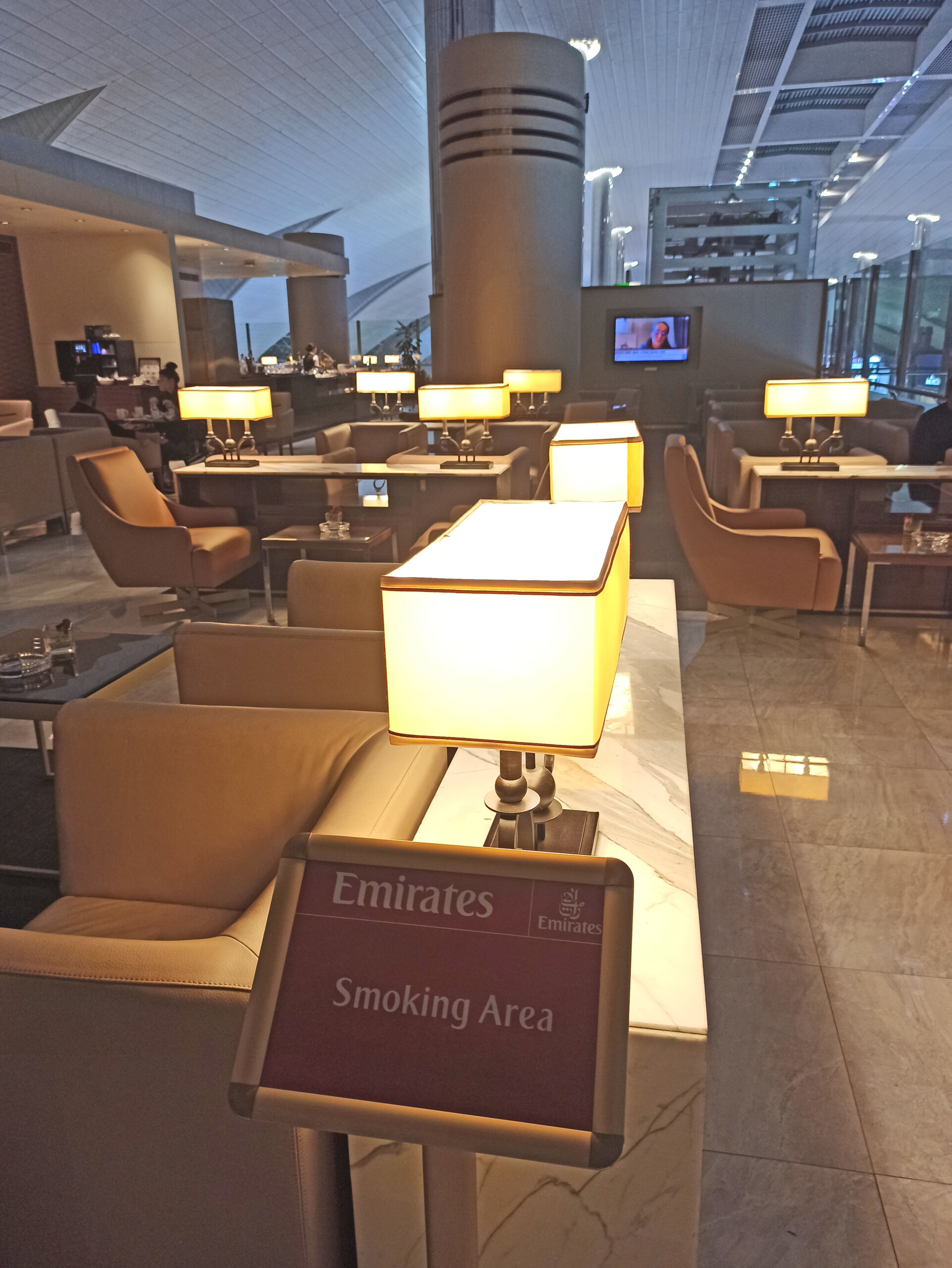
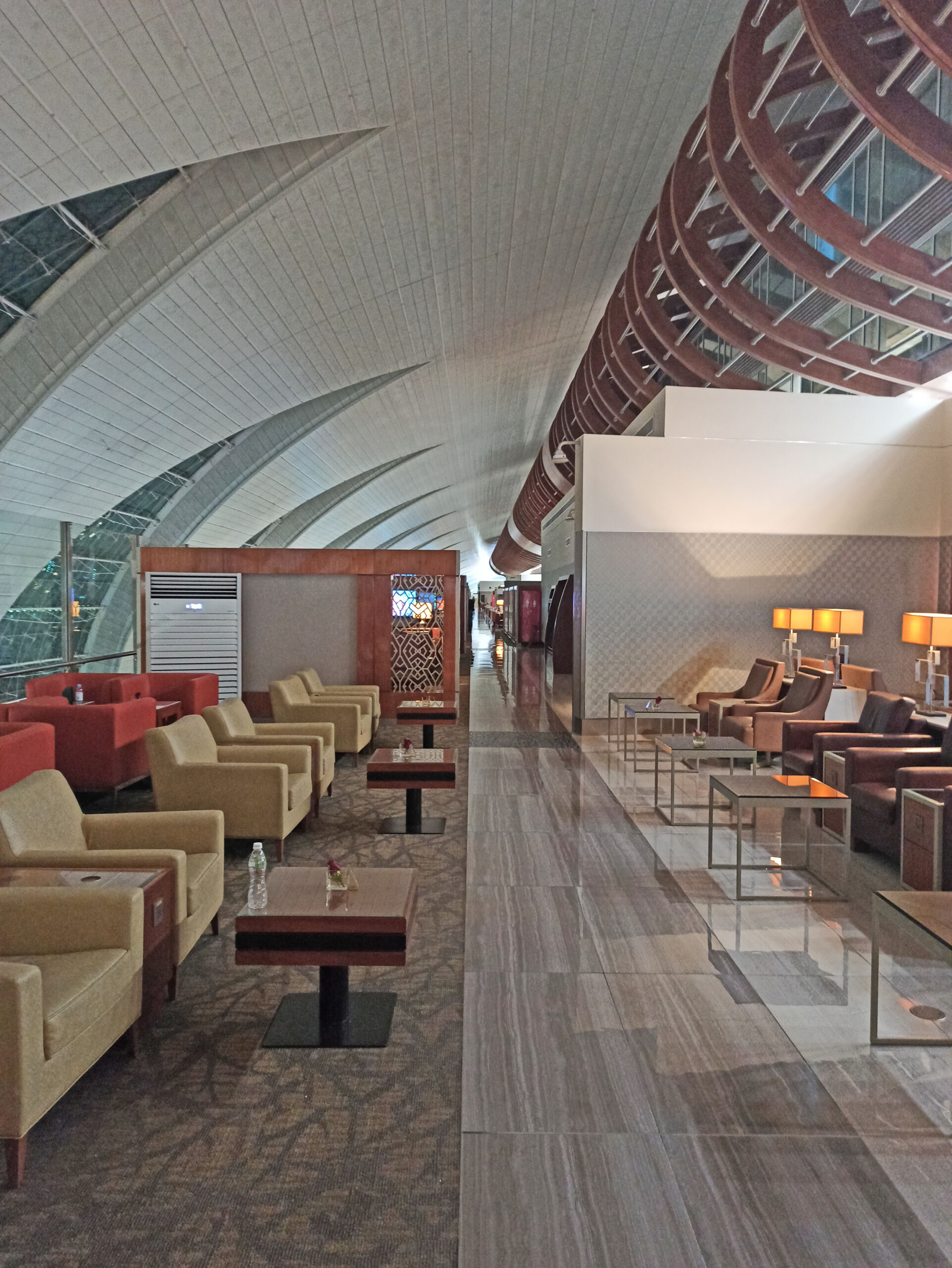
Although I only partook in the food and drink, there’s also a Costa Coffee, a spa, a champagne lounge, a children’s play room, and possibly a quiet area. As far as I know, I was in the quiet area (some attendant handed me a blanket); however, given that it was right next to one of the aisles, how quiet could it have been?
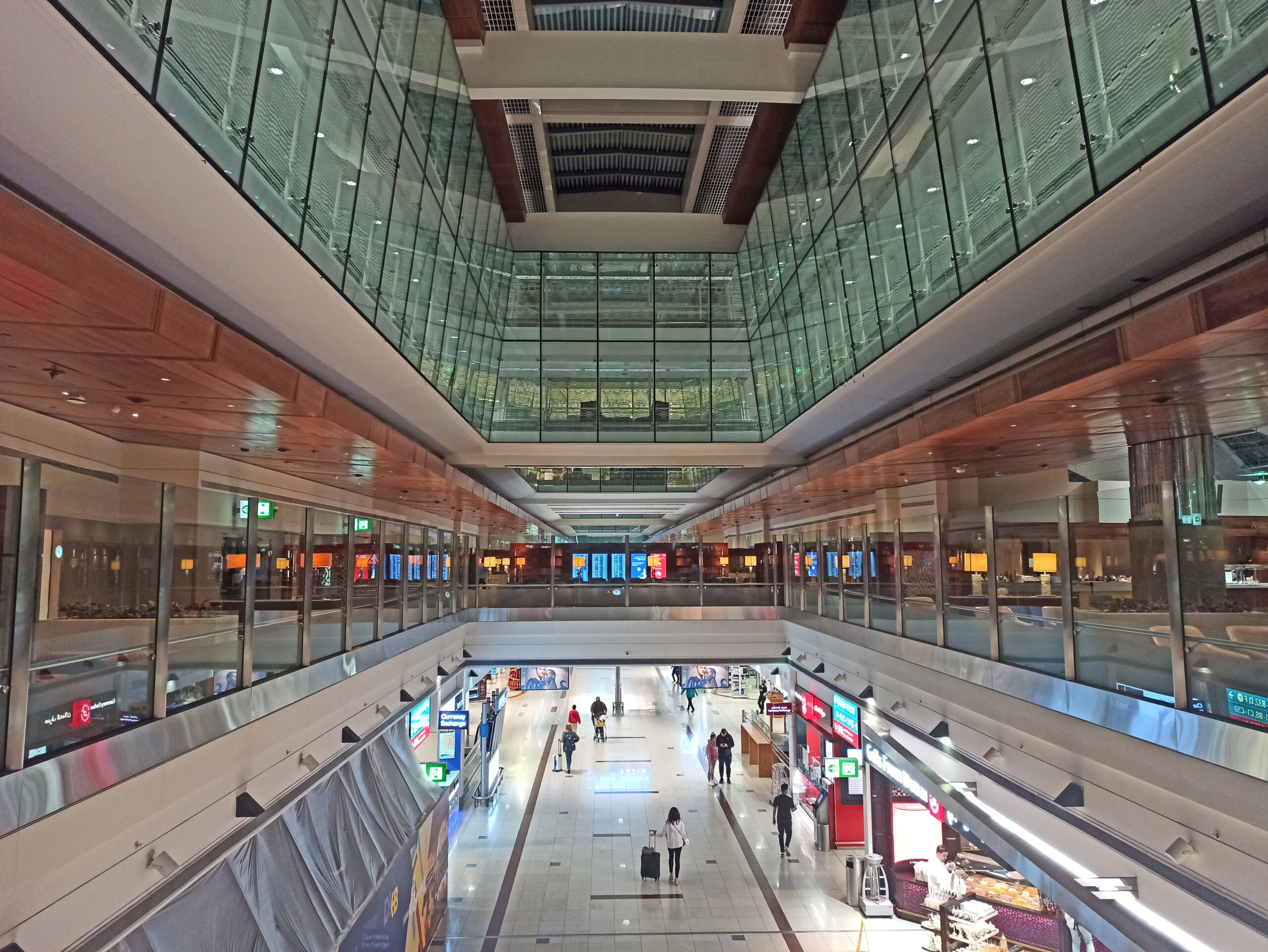
It’s fair to mention that when I entered the Emirates Business Lounge, it was around 21:30 (9:30pm), and rather empty. I expected the place to fill up around 2.5 hours later, which it did, since the early morning is one of Emirates’ busier banks of flights.
With this lull, I took advantage of the food sections:
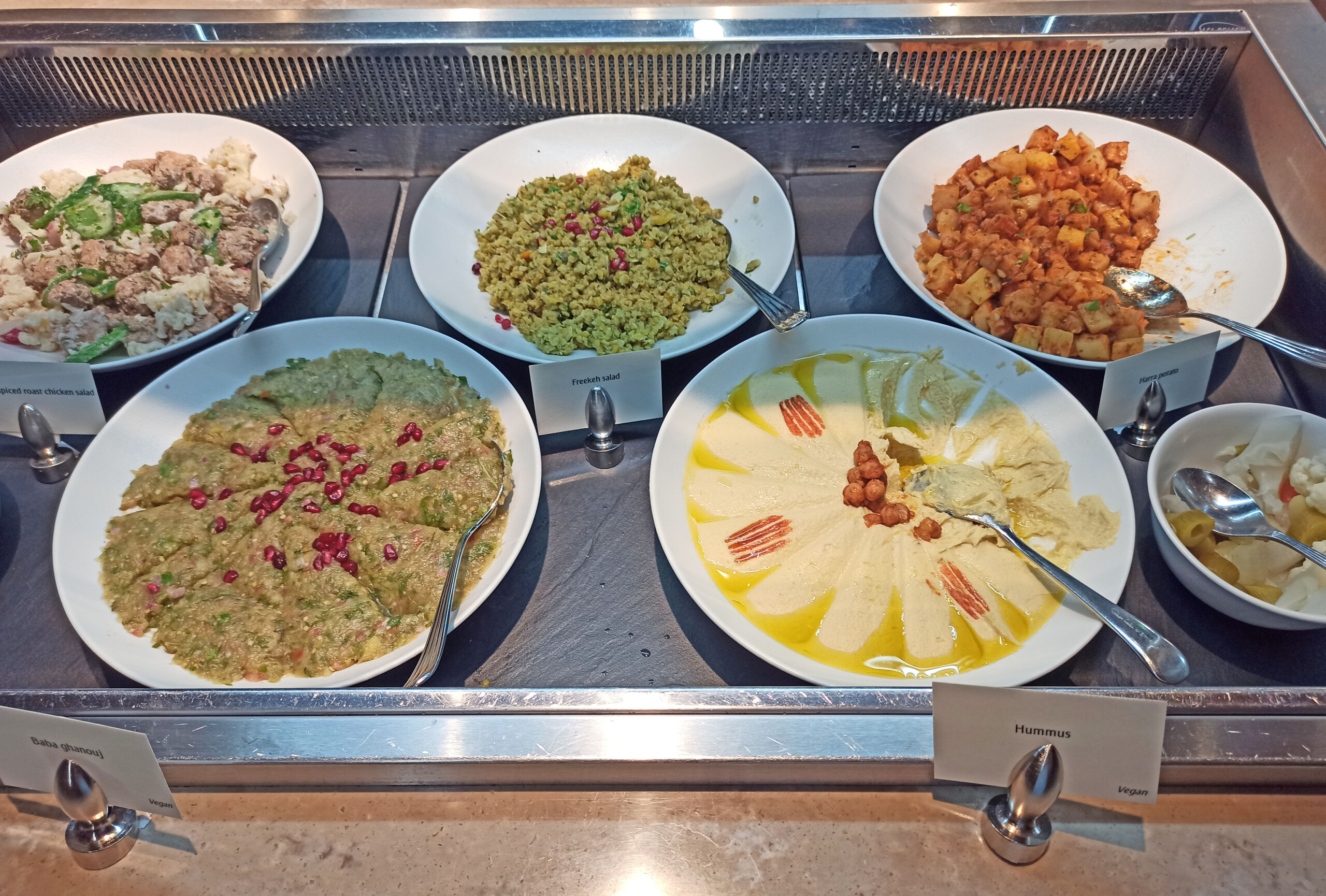
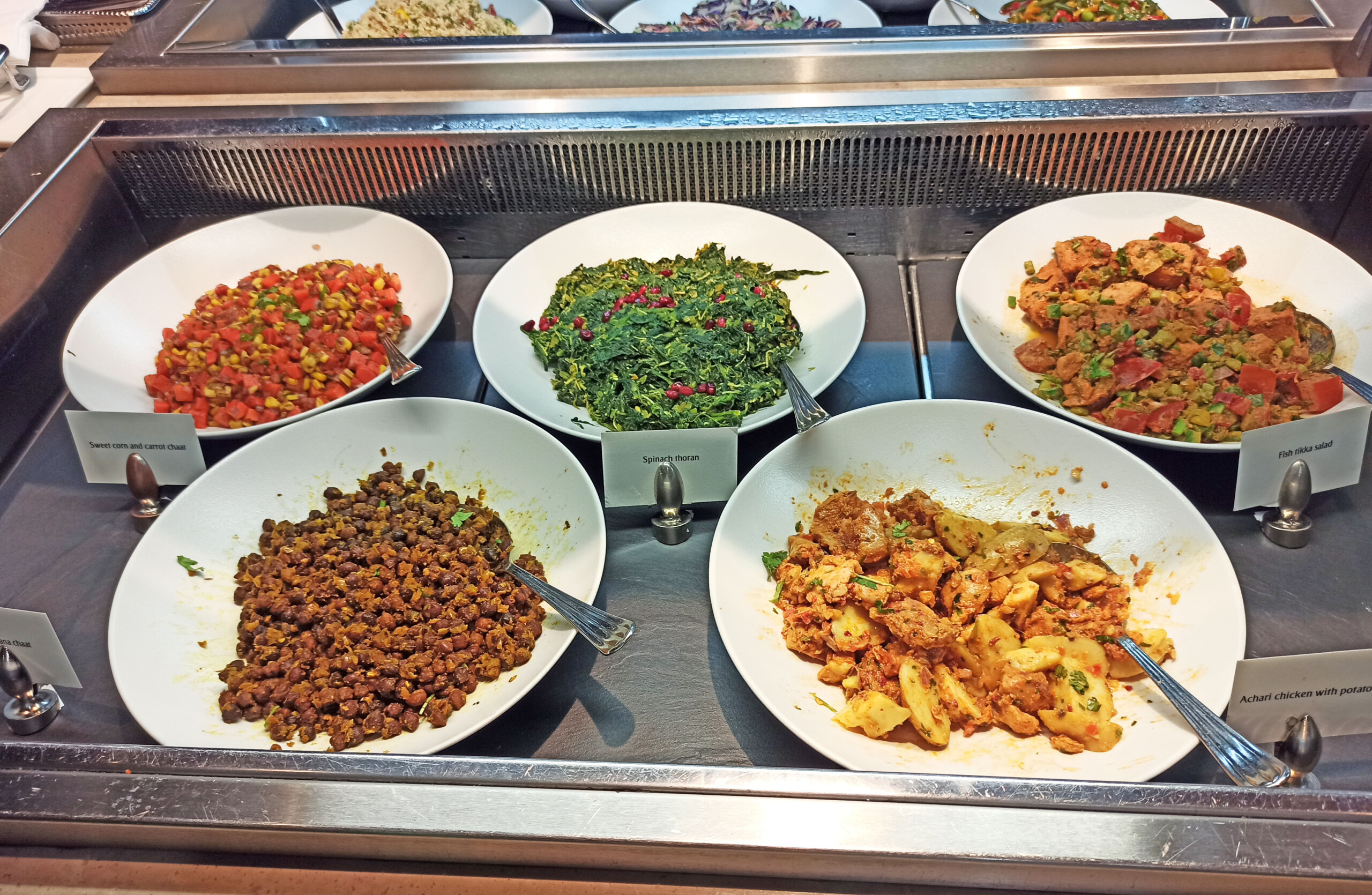
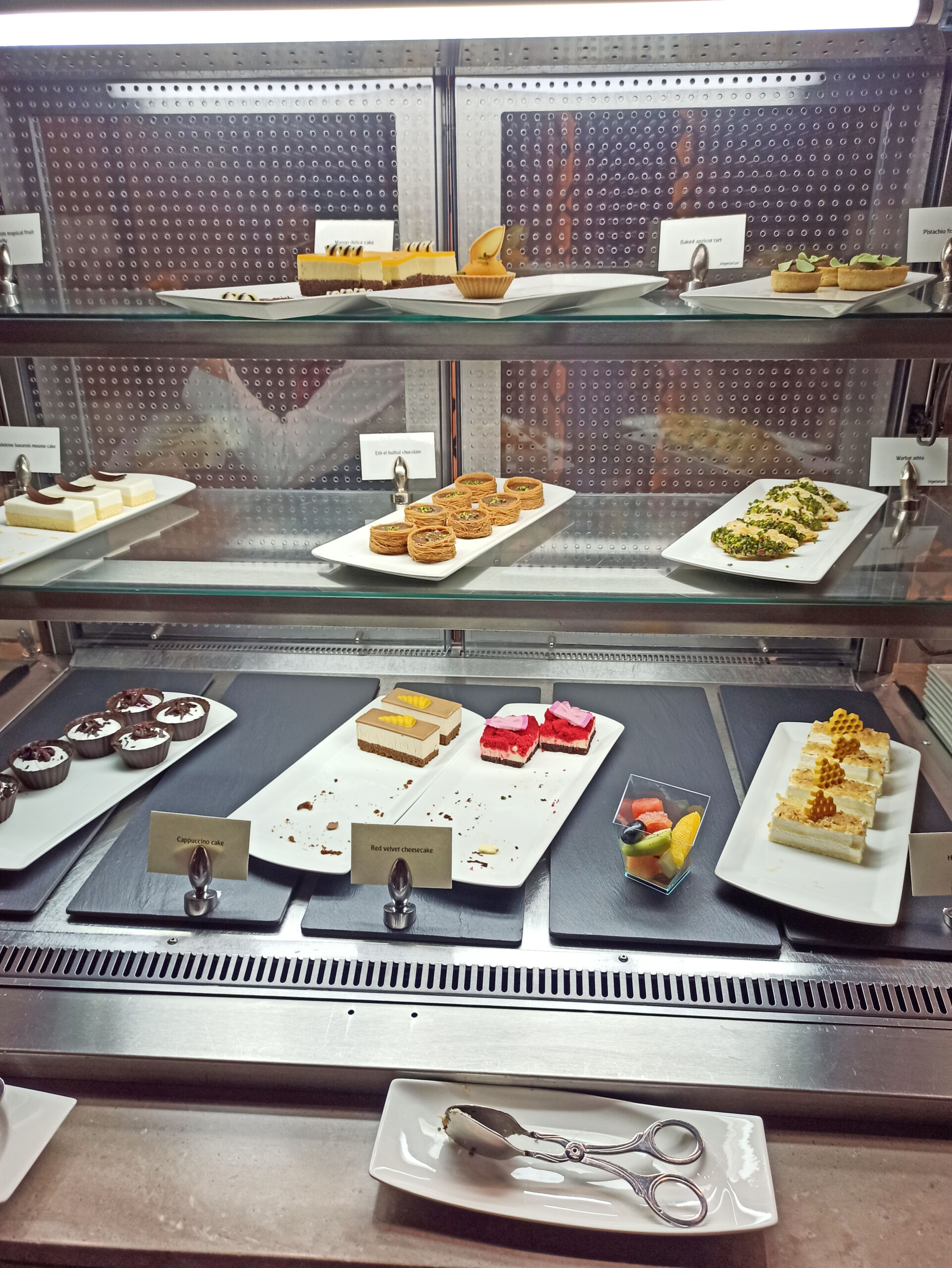
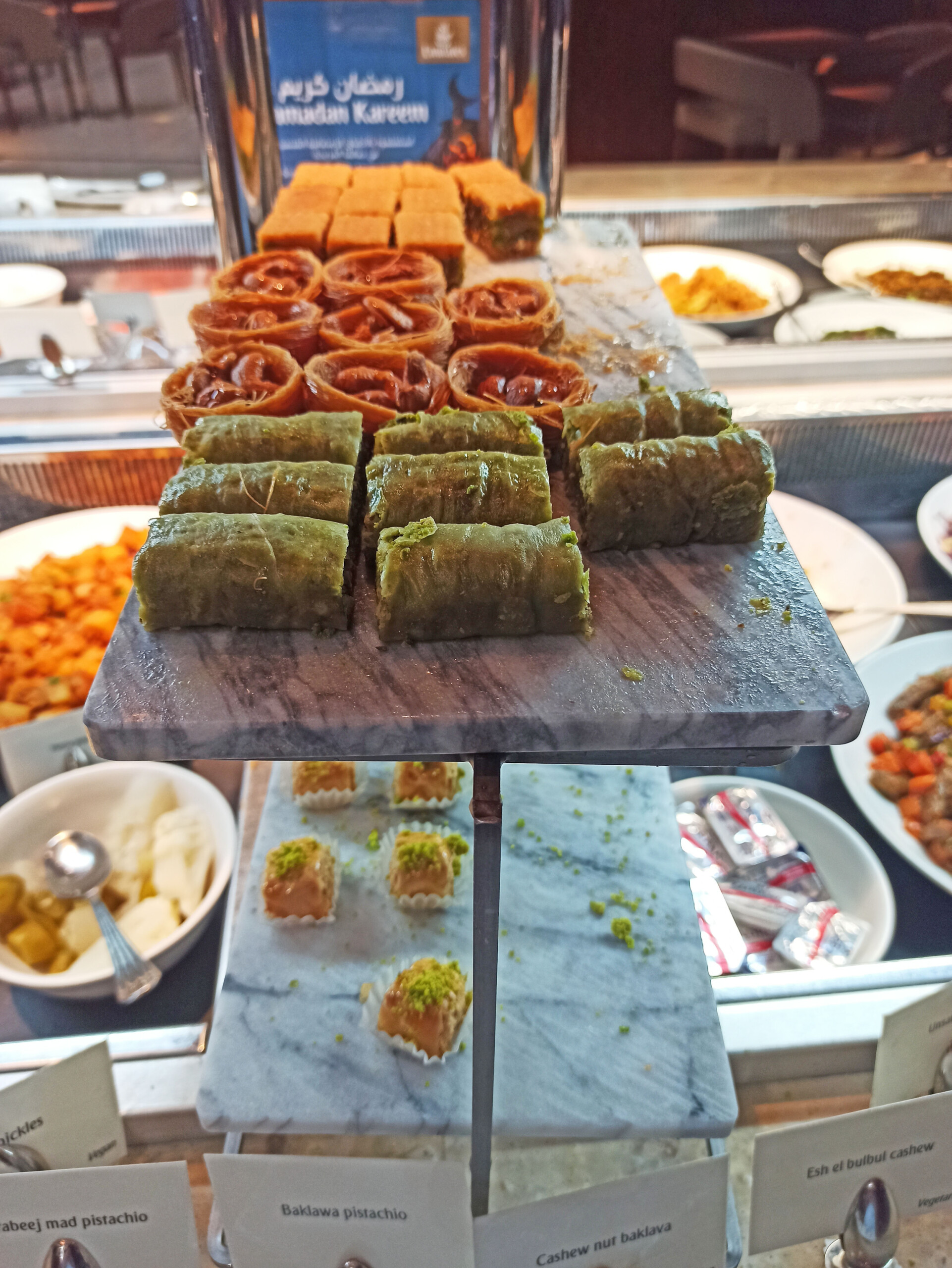
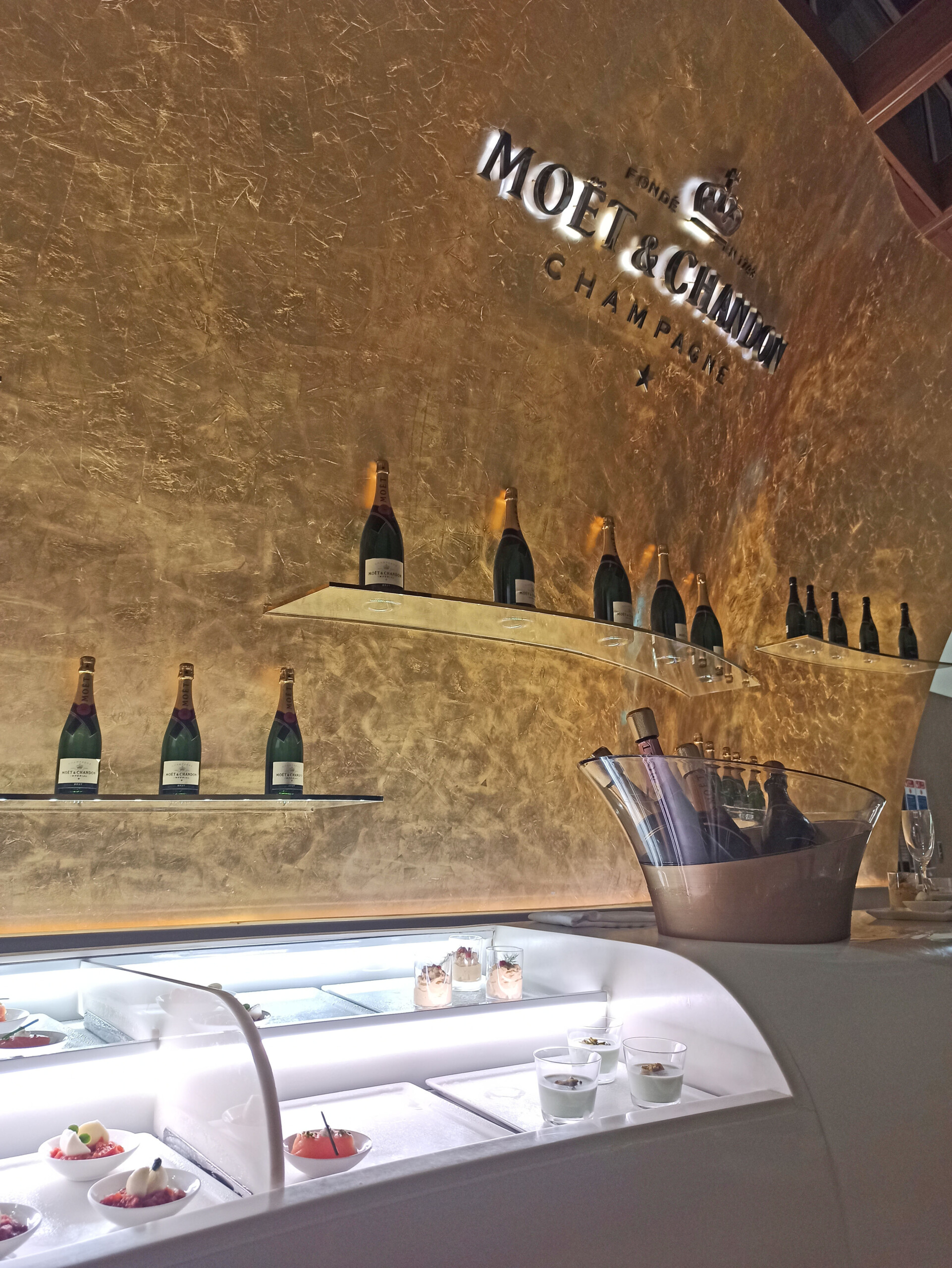
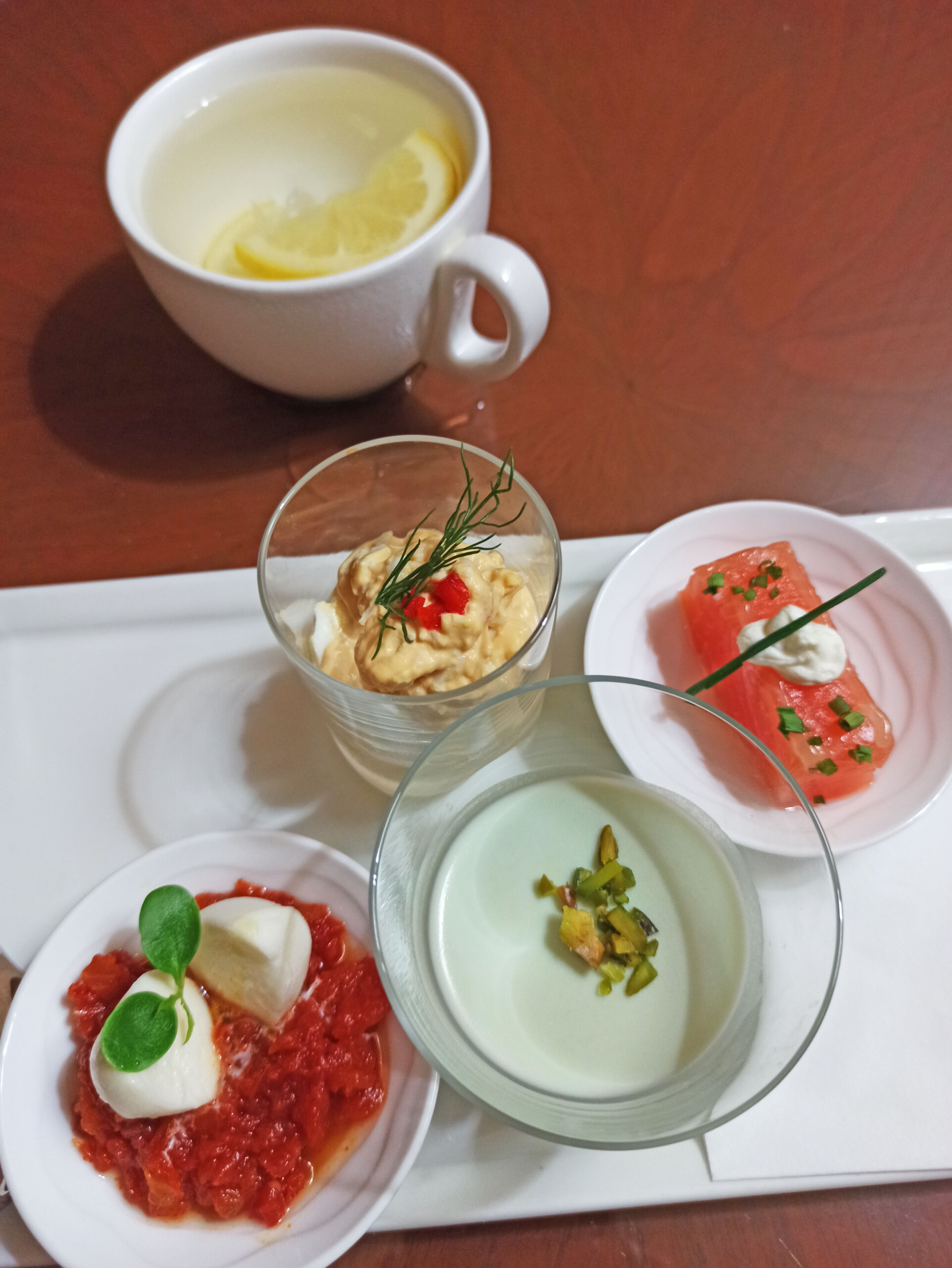
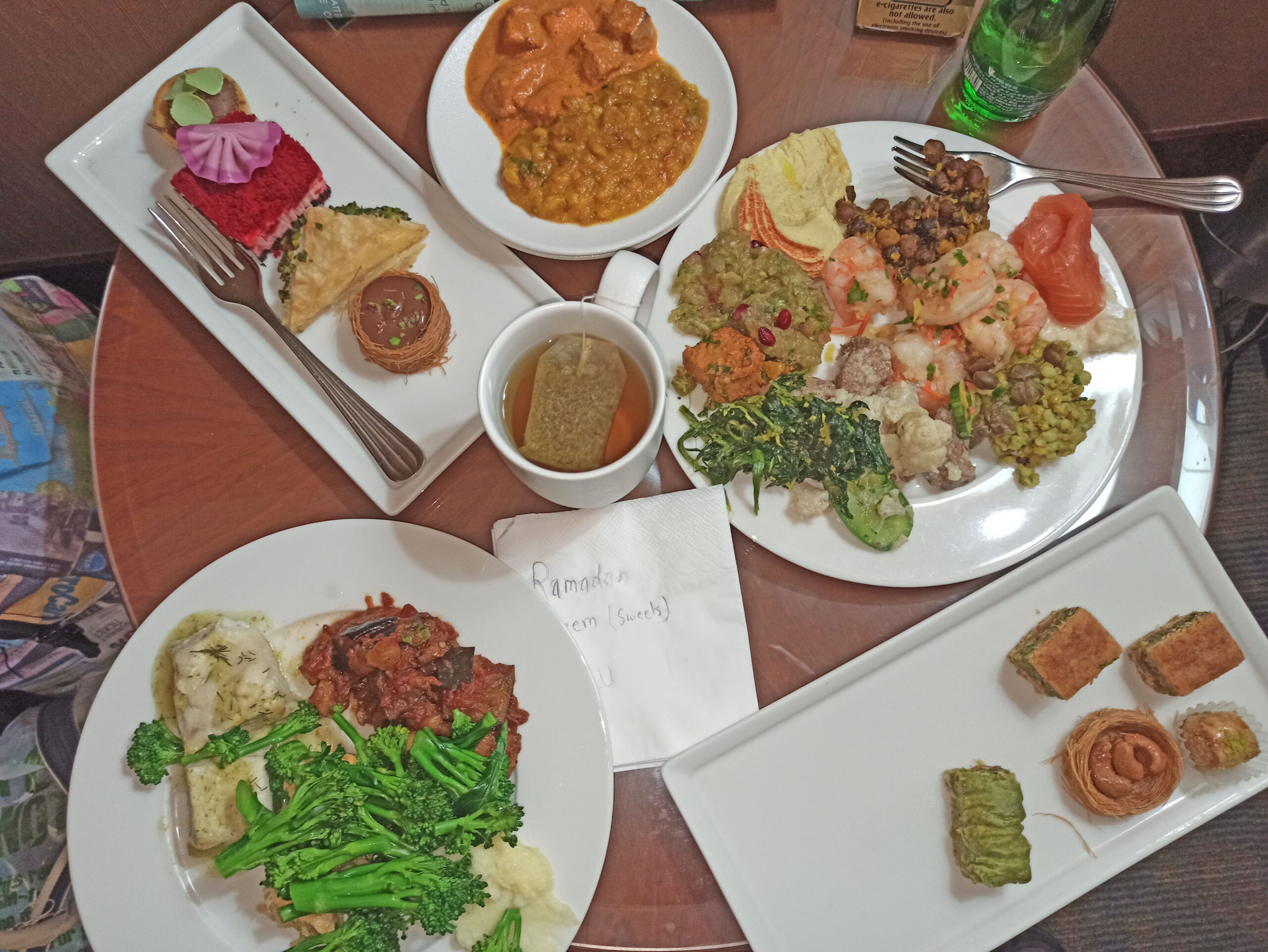
That’s a big lounge you’ve got there, Emirates Terminal 3.
Quality-wise — the more important category — not too shabby. Not partitioning the smoking section is stupid (especially when the lounge gets busy), and I guess there’s nothing you can do about the luggage storage, but I sure did like a lot of the food and drink selection. It did help that my Saudia flight landed early enough to land me a place to sit, otherwise it would’ve been a zoo in the f&b (food & beverage) zones.
I will have to check out the Concourse A version next time.
Have you been to the Concourse B and A Emirates lounges at DXB? How would you compare the two?